
Sexual offence cases could soon be taken entirely out of the hands of families and community elders under a proposed law that would invalidate agreements reached outside court to resolve such crimes.
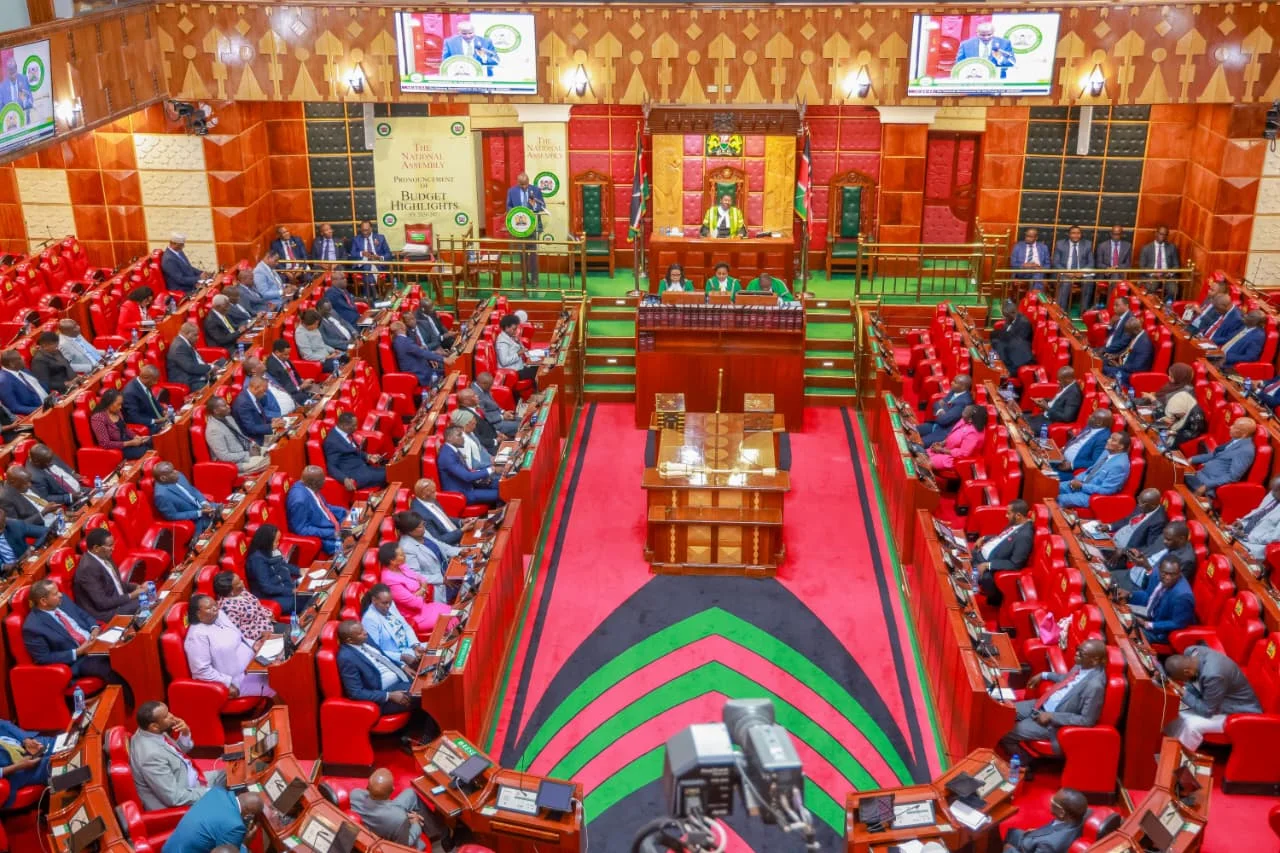
Members of Parliament have backed the proposed changes, arguing that sexual offences are criminal matters that cannot be treated as private disagreements capable of being settled through compensation, negotiations or traditional dispute resolution.
The Sexual Offences (Amendment) Bill 2025, sponsored by Garissa County Woman Representative Amina Siyad, seeks to amend the Sexual Offences Act by introducing tougher provisions on how such cases should be handled.
The Bill proposes the creation of Section 40A, which would require offences covered by the Act to be prosecuted through the formal judicial system.
It further seeks to declare invalid any agreement entered into with the intention of bringing a sexual offence case to an end outside the courts.
The MPs said the proposed provision is necessary because some sexual offences are still subjected to negotiations involving families or communities, despite existing laws providing for criminal prosecution.
They argued that such arrangements can prevent victims from obtaining justice while giving alleged offenders an opportunity to avoid the consequences of their actions.
The lawmakers also said sexual offences are crimes against the State and should therefore not be handled as disputes between two families.
They pointed to Article 159(3) of the Constitution, which provides limits on the use of traditional dispute resolution mechanisms where they conflict with justice and morality or are inconsistent with the Constitution.
Siyad said the continued use of informal mechanisms to deal with sexual offences showed the need for a clear legal provision preventing such practices.
"Despite the existence of clear laws criminalising sexual offences, we continue to witness instances where such offences are subjected to informal settlement, including through traditional or community dispute resolution mechanisms" Ms Siyad said.
"In some cases, families or communities negotiate compensation or settlement outside the judicial system, effectively denying victims justice and allowing perpetrators to escape accountability."
She said the proposed amendment would remove the opportunity for families or communities to negotiate an end to criminal proceedings and ensure that cases are subjected to the court process.
According to the lawmakers, the imbalance of power involved in such negotiations is another reason for prohibiting them.
They said victims, especially children, may not have the ability to influence decisions made by adults during community or family negotiations.
The MPs maintained that money or other forms of compensation cannot undo the physical and psychological effects of sexual violence.
They also said prosecution remains a responsibility of the State even where a victim's family may be willing to accept an agreement from an accused person or their relatives.
Siyad said court proceedings provide a structured process through which evidence can be examined and responsibility determined, while also protecting victims from being forced into accepting settlements.
The issue of repeat offending also featured prominently in the debate, with MPs warning that avoiding prosecution could leave offenders in the community and expose other people to abuse.
Nominated MP Suleka Harun said sexual offences should be treated as crimes against the State rather than matters that families can resolve among themselves.
"Justice must be served in courts. Justice cannot be for sale. Justice cannot be discussed under a tree," Ms Harun said.
North Imenti MP Rahim Dawood said offenders should not be allowed to return to society where evidence shows that they committed an offence, particularly where children are involved.
He warned that failure to hold such offenders accountable could leave other children vulnerable to similar abuse.
Tharaka MP George Murugara said alternative dispute resolution should not be used as a basis for compromising sexual offence cases.
He said the fact that a case has one complainant does not turn it into a private dispute because prosecution is undertaken by the State.
Murugara cautioned against relying on Article 159, which promotes alternative dispute resolution, to justify mediation in criminal cases involving sexual offences.
"There should be no room for mediation or any form of out-ofcourt settlement, because these are very
serious offences touching on the dignity, the very person, the very core of a human being," Mr Murugara said.
Kitui West MP Edith Nyenze said informal settlements could create an avenue for offenders to avoid accountability by offering small amounts of money to victims or their families.
She warned that the consequences could extend beyond individual cases by encouraging continued abuse of women and young people.
"If such cases are settled out of court, more girls may become pregnant, contract diseases, suffer indignity, including the loss of their virginity, and drop out of school," Ms Nyenze said.
The Sexual Offences Act was initially taken to Parliament during the 10th Parliament by current Supreme Court Judge Njoki Ndung'u. Parliament has since made several changes to the law.
The latest Bill has now cleared the third reading stage, bringing it closer to becoming law.
The House is expected to finish considering the Bill next week before it is forwarded to the President for assent.