The proposed Cooperatives Bill, 2024, seeks to introduce a new layer of financial oversight in Kenya’s cooperative sector by establishing independent audit offices in all 47 counties to scrutinise financial reports and help protect members’ savings from fraud, mismanagement and financial irregularities.
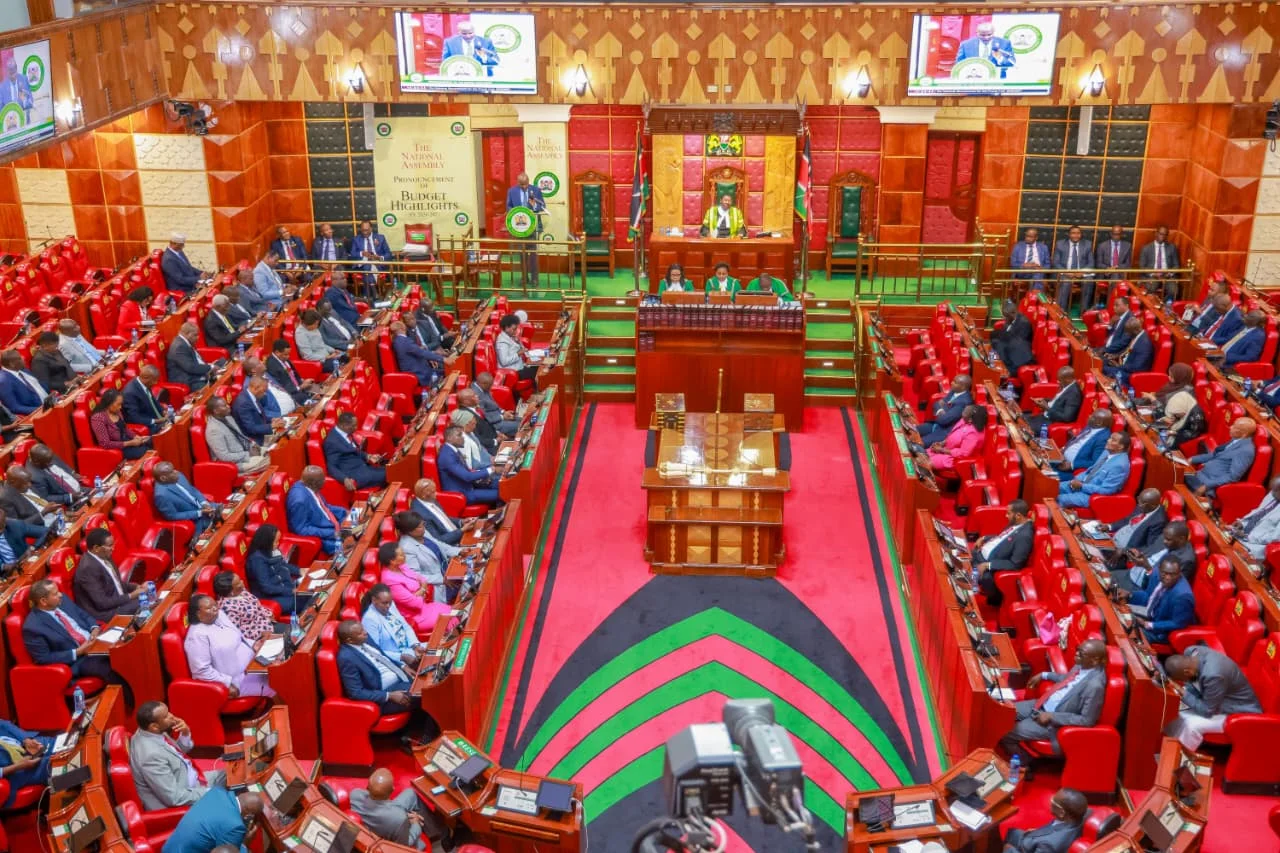
The proposal is in the mediated version of the Bill, which the National Assembly approved on Thursday, November 5, 2026, after negotiations between the two Houses of Parliament resolved disagreements over the legislation.
Under the proposed framework, every county would have an Office of the County Auditor for Cooperatives, responsible for reviewing audited financial statements submitted by cooperative societies and identifying issues that may require further investigation or administrative action.
The reforms aim to strengthen accountability in SACCOs and other cooperative societies, particularly after financial scandals exposed weaknesses in the existing regulatory and audit systems.
The Bill outlines a system in which cooperative societies would continue engaging external auditors to examine their financial records, but their audit reports would undergo an additional independent review at the county level.
Under Section 24 of the mediated Bill, the County Auditor for Cooperatives would review reports on audited financial statements, report any issues identified to the County Commissioner for Cooperatives, and recommend appropriate action to address the findings.
The proposed county audit offices would therefore provide an additional layer of scrutiny before financial statements are presented to members during annual general meetings.
The County Public Service Board would appoint technical officers to support the offices. Recruits would be required to have relevant academic qualifications, competencies, and experience in auditing.
The County Auditor would also be required to prepare an annual report covering the office's performance, activities and operations, as well as the state of cooperatives within the county. The report would be submitted to the County Commissioner for Cooperatives within five months after the end of each financial year.
Beyond the 47 county offices, the legislation proposes establishing an Office of the National Auditor for Cooperatives to strengthen financial oversight of cooperative institutions operating at the national level.
The national office would review financial reports from cooperative federations and the Apex Cooperative before forwarding its findings to the Commissioner for Cooperative Development for further action.
The proposed arrangement would create a coordinated audit framework between the national and county governments, with county offices handling cooperatives within their respective jurisdictions while the national office oversees institutions operating across the country.
The mediation committee also agreed that external auditors should be selected from a list of licensed auditors, with restrictions on how many consecutive audits the same auditor can conduct for a cooperative. The measure is intended to reduce the risk of conflicts of interest and possible collusion between auditors and cooperative management.
The Bill further proposes strengthening the qualifications and accountability requirements for county cooperative officials to ensure that those entrusted with oversight responsibilities have the necessary professional expertise.
The proposed changes come against the backdrop of financial irregularities at the Kenya Union of Savings and Credit Co-operative Organisations (KUSCCO), whose collapse exposed weaknesses in the management and auditing of cooperative institutions.
During parliamentary discussions on November 5, lawmakers cited losses exceeding KSh17 billion at KUSCCO, involving money belonging to cooperatives and their members.
The financial crisis raised questions about how irregularities could go undetected despite the institution being subjected to external audits.
During the Senate debate on November 4, lawmakers raised concerns about the audit process at KUSCCO, including allegations that the signature of a principal auditor who had died more than five years earlier continued to appear on financial statements approving the institution's accounts.
The mediation committee argued that independent scrutiny of external audit reports would help identify falsified financial statements and possible collusion between cooperative management and auditors before members approve the accounts.
The proposed law also seeks to prevent individuals previously adversely named in inquiry or inspection reports over mismanagement or corrupt practices from serving on cooperative boards.
Additionally, it provides for stronger procedures surrounding the dissolution of cooperative societies, including recommendations from the relevant audit offices and avenues for affected members to challenge dissolution decisions through the Cooperative Tribunal and, subsequently, the High Court.