Floods linked to long rains claim lives, displace hundreds in Kenya
Anthony Muchiri, Emergency Response Director at the Kenya Red Cross, confirmed the fatalities and the number of displaced families during an interview on March 5, 2026.
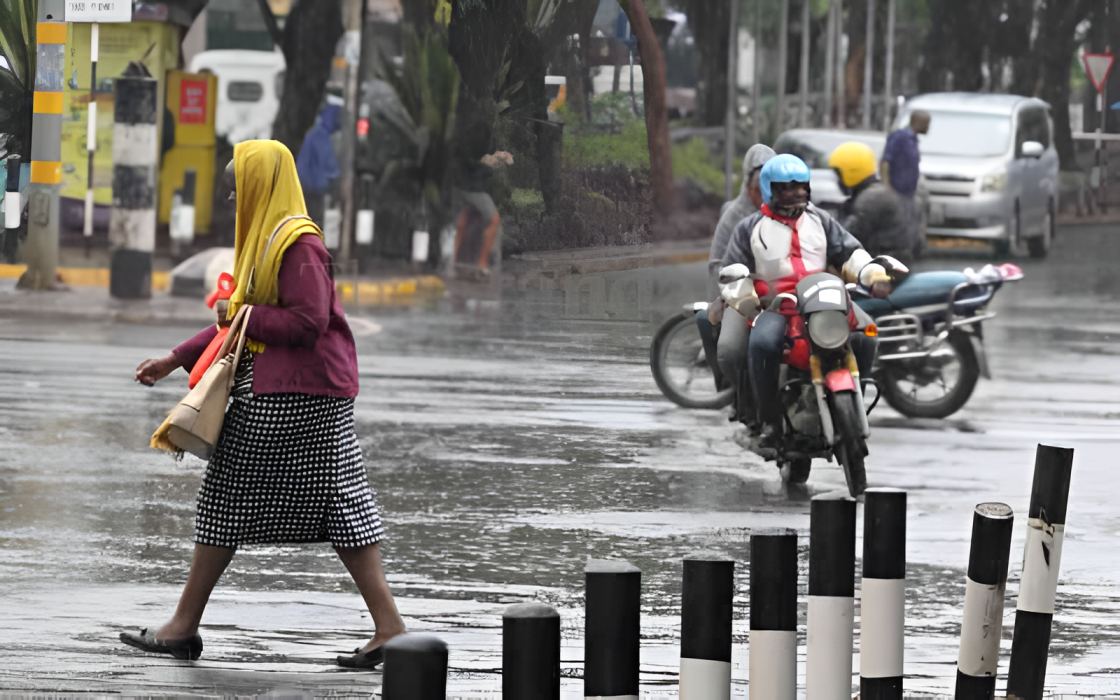
Heavy downpours linked to the start of the March-April-May (MAM) long rains have unleashed destructive flash floods across parts of Kenya, leaving four people dead and forcing 347 households to abandon their homes.
The Kenya Meteorological Department (MET) has issued warnings of continued heavy rainfall, cautioning that more areas could be affected in the coming days.
Anthony Muchiri, Emergency Response Director at the Kenya Red Cross, confirmed the fatalities and the number of displaced families during an interview on March 5, 2026.
“Currently, we have reported four fatalities in the recent flash floods. According to the MET advisory, more flooding is expected. We are already looking at 347 households being displaced,” Muchiri said.
Western Kenya, the lower South Rift, and coastal counties are among the worst hit. In coastal regions, strong windstorms have torn off roofs, worsening the impact on communities already dealing with rising waters.
“These floods have affected hundreds of families, and we continue to monitor the situation closely,” Muchiri added.
One of the victims was Samuel Wangila, a seasoned Kenya Red Cross volunteer known for his skill in search and rescue, including water-based rescue operations.
Wangila lost his life on March 3, 2026, while taking part in the search for a 14-year-old boy who had been swept away by the Mbagathi River near Nairobi’s Highrise area.
On the fourth day of the operation, Wangila came into contact with a submerged live electric wire while clearing debris in shallow floodwaters. He was electrocuted instantly and could not be revived despite immediate resuscitation attempts.
Muchiri expressed his condolences to Wangila’s family and colleagues, noting the heavy emotional burden on those who had recently worked with him.
“This tragedy highlights the unpredictable hazards posed by floodwaters, including hidden dangers like live wires,” Muchiri said.
In response to the ongoing crisis, the Kenya Red Cross, in collaboration with partners including Safaricom, has stepped up early warning systems. So far, 17 million SMS alerts have been sent to advise residents to move to safer, higher ground when water levels rise.
Search and rescue teams remain on high alert, prepared to respond to new emergencies. Muchiri urged the public to follow safety guidelines.
“If floodwaters cover a bridge or if you are unsure it is safe to cross, do not attempt it. It is better to take a longer route than risk your life,” he said.
Authorities continue to monitor flood-prone areas, and residents are urged to remain vigilant as the heavy rains persist.




Comments
Sign in with Google to comment, reply, and like comments.
Continue with Google