Muturi breaks silence on how he fell out with President Ruto
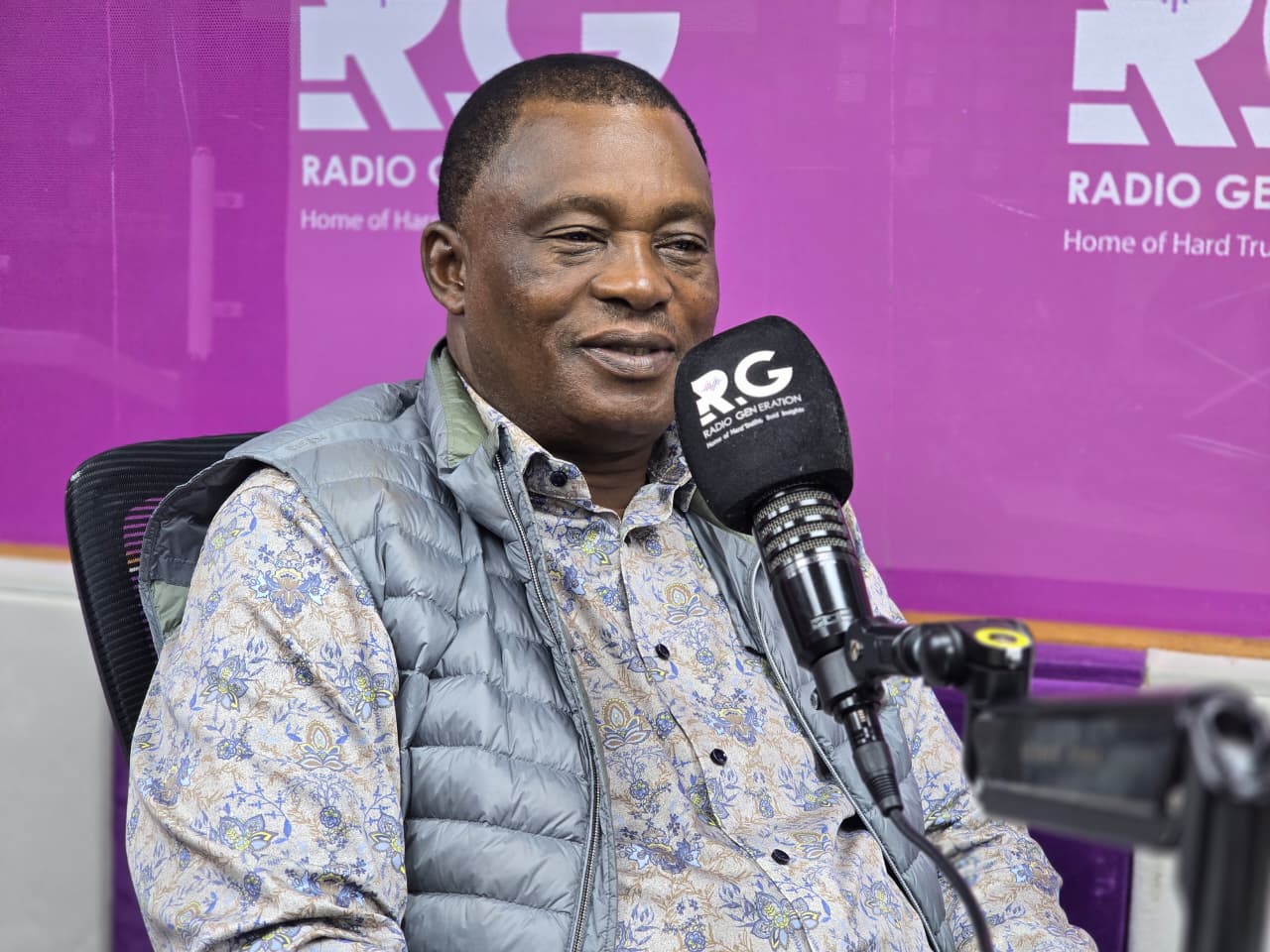
In a Radio Generation interview on Tuesday, he described two early disputes involving legal processes and government procurement, including a Sh50 eCitizen convenience fee debate and disagreements over the role of law in governance.
Democratic Party Leader and Former Attorney General, Justin B. Muturi argues his relationship with President William Ruto was strained from the start of the administration.
In a Radio Generation interview on Tuesday, he described two early disputes involving legal processes and government procurement, including a Sh50 eCitizen convenience fee debate and disagreements over the role of law in governance.
He explained that he had initially been cautious about aligning himself politically with the president, despite eventually supporting his presidential bid. According to him, those reservations dated back to the period when Ruto served as deputy president under former President Uhuru Kenyatta.
During that time, he said the current head of state had approached him seeking political backing when he felt sidelined within the government.
At the same time, the Democratic Party leader acknowledged his own political differences with opposition figure Raila Odinga, while expressing admiration for his approach to political engagement.
He noted that Odinga was capable of maintaining dialogue even with critics, adding that political disagreements with the opposition leader rarely turned personal.
Despite the reservations he held, the veteran politician eventually joined the president’s political camp ahead of the 2022 elections, under a pre‑election agreement that made the Democratic Party one of the alliance’s constituent parties, giving Muturi a pathway into government.
Under the Kenya Kwanza government, Muturi, a seasoned lawyer and politician, was appointed Attorney General on October 27, 2022, becoming the first person to hold that post in Ruto’s administration.
His tenure lasted nearly two years before he resigned in mid‑2024 amid tensions over legal oversight and governance.
After the election victory, he revealed that he was offered the position of Attorney General but initially hesitated to take up the role.
According to the former AG, he declined the offer at first, explaining that he felt exhausted after spending a decade as Speaker of the National Assembly.
He said that after years of reviewing parliamentary committee reports and legislative matters, he preferred a less demanding role.
However, he recalled that the president continued urging him to reconsider, saying he trusted him to perform the responsibilities attached to the office of Attorney General.
Following his exit as Attorney General, Muturi was immediately appointed Cabinet Secretary for Public Service and Human Capital Development on August 8, 2024, a position that placed him at the centre of public service reform efforts.
However, his role was short‑lived, President Ruto sacked him from the cabinet on March 26, 2025 during a broader government reshuffle, replacing him with Geoffrey Kiringa Ruku.
Discussions around cabinet appointments, he said, also involved other political figures including Kithure Kindiki and Peter Munya, as the president sought to strike a balance in the formation of his government.
Eventually, he agreed to take up the role after receiving assurances that he would be allowed to execute his responsibilities independently and strictly within the law.
The former AG said he made his position clear from the outset, warning that he would defend constitutional principles and could not support actions that went against the law.
“He told me to simply follow the Constitution and assured me there would be no interference with my work,” he recalled.
Despite those assurances, tensions began to surface within weeks of the cabinet being sworn in during October 2022.
Following his exit as Attorney General, Muturi was immediately appointed Cabinet Secretary for Public Service and Human Capital Development on August 8, 2024, a position that placed him at the centre of public service reform efforts.
However, his role was short‑lived, President Ruto sacked him from the cabinet on March 26, 2025 during a broader government reshuffle, replacing him with Geoffrey Kiringa Ruku.
One of the earliest disagreements, he said, involved discussions held at State House regarding the government’s digital services platform, eCitizen.
According to his account, the meeting included officials from the National Treasury, representatives from the information and communications technology sector, and a private technology company associated with the platform.
During the discussions, the president proposed reducing a Sh50 convenience fee charged for certain eCitizen services to Sh10 as part of the government’s “Hustler” campaign promises.
He said he supported the proposal, arguing that lowering the fee would benefit ordinary citizens who rely on the online platform to access government services.
However, the situation later raised concerns when an agreement between government officials and the private firm operating the platform was signed without consultation with the Attorney General’s office.
The agreement, signed in January 2023, triggered questions about the legal processes surrounding government contracts.
He argued that the Attorney General’s office should have been involved before the deal was concluded, emphasizing that the office plays a crucial role in advising ministries and ensuring that agreements comply with the law.
The dispute also had deeper roots, he said, referencing earlier encounters with individuals linked to the company behind the platform.
According to him, the matter had been contentious for years and had previously involved disagreements with the National Treasury.
He maintained that the issues raised broader concerns about governance and adherence to proper legal procedures within government.
In his view, those disagreements contributed significantly to the deterioration of his relationship with the president.
The former Attorney General insisted that his approach to public service has always been guided by strict adherence to the Constitution and the rule of law.
He argued that attempts to bypass established legal procedures would inevitably lead to friction with officials tasked with safeguarding the country’s legal framework.
According to him, the incidents that emerged during the early months of the administration ultimately marked the beginning of tensions that would shape his relationship with the government going forward.




Comments
Sign in with Google to comment, reply, and like comments.
Continue with Google