MPs raise alarm over TB funding cuts as health committee reviews budget estimates

Officials from the National Tuberculosis, Leprosy and Lung Disease Programme (NTLD-P) told the committee that a reduction in funding from $10 million (Sh1.3 billion) to approximately $7.7 million (about Sh1 billion) over two years would significantly affect service delivery.
Members of Kenya’s National Assembly have raised concern over reduced funding for tuberculosis (TB) programmes, warning that the country risks reversing progress made in combating one of its most persistent public health challenges.
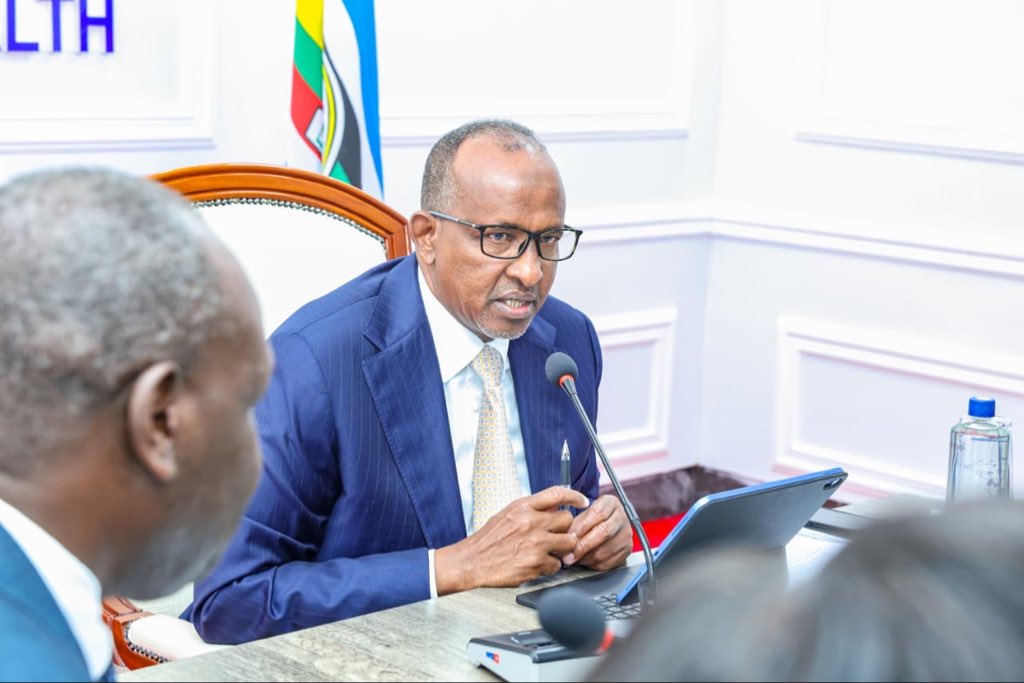
The concerns were voiced during a session of the National Assembly Departmental Committee on Health held at Bunge Tower within the Parliament Buildings, where lawmakers were reviewing the Supplementary Estimates I for the 2025/2026 financial year.
Officials from the National Tuberculosis, Leprosy and Lung Disease Programme (NTLD-P) told the committee that a reduction in funding from $10 million (Sh1.3 billion) to approximately $7.7 million (about Sh1 billion) over two years would significantly affect service delivery.
The adjustment translates to an annual shortfall of about Sh200 million.
Dr Immaculate Kathure, who heads the programme, cautioned that the cuts could derail key interventions, including the rollout of improved treatment and diagnostic approaches.
“We have made significant progress, including reducing treatment duration for drug-resistant TB from 18 months to six months, and for children from six months to four months,” she said.
“We are also introducing preventive therapies that shorten treatment periods further. However, these gains are at risk if funding is not restored.”
She added that the funding gap would hamper the development of policy guidelines and limit the training of healthcare workers responsible for implementing new treatment models.
The programme is in the process of expanding modern diagnostic technologies such as digital X-rays and near point-of-care testing using sputum and oral swabs to improve early detection.
However, Dr Kathure emphasised that these innovations require sustained investment in training and capacity building.
“Advocacy, communication and awareness creation will also be affected. TB disproportionately affects men, and we must invest in targeted messaging to reduce stigma and improve access to care,” she told the committee.
Committee chairperson James Nyikal, the MP for Seme, acknowledged the gravity of the issue, noting that reduced allocations could disrupt critical public health programmes.
Nandi Woman Representative Cynthia Muge raised additional concerns regarding the welfare of workers supporting TB programmes, citing reports that some had gone unpaid for up to 21 months and lacked health insurance.
“There is a serious outcry from workers who are central to this programme. Without them, implementation will stall. We need clarity on their status and the challenges they are facing,” she said.
Chuka Igambang’ombe MP Patrick Munene warned that continued cuts to TB, malaria and HIV programmes could erode years of investment.
“Every time we reduce funding for these diseases, we risk losing the gains we have made. Eventually, even the investments already made will go to waste,” he said.
Munene criticised what he described as an imbalance in budget priorities, arguing that excessive focus on infrastructure development was undermining disease control efforts.
“We are over-concentrating on construction while systems are breaking down. We have buildings, but the disease burden remains high. Public health funding must be prioritised,” he added.
Nyeri Town MP Duncan Mathenge called for increased domestic resource mobilisation to bridge funding gaps and sustain TB control efforts.
He also highlighted the need for nutritional support for patients.
“Many patients cannot adhere to medication because they lack adequate nutrition. This is a key factor driving multi-drug resistance and must be addressed as part of the programme,” he said.
The committee signalled support for restoring funding, with legislators stressing that sustained investment is essential to safeguarding public health and achieving long-term disease control targets.



Comments
Sign in with Google to comment, reply, and like comments.
Continue with Google