MPs summon Wandayi over probe into alleged substandard fuel imports
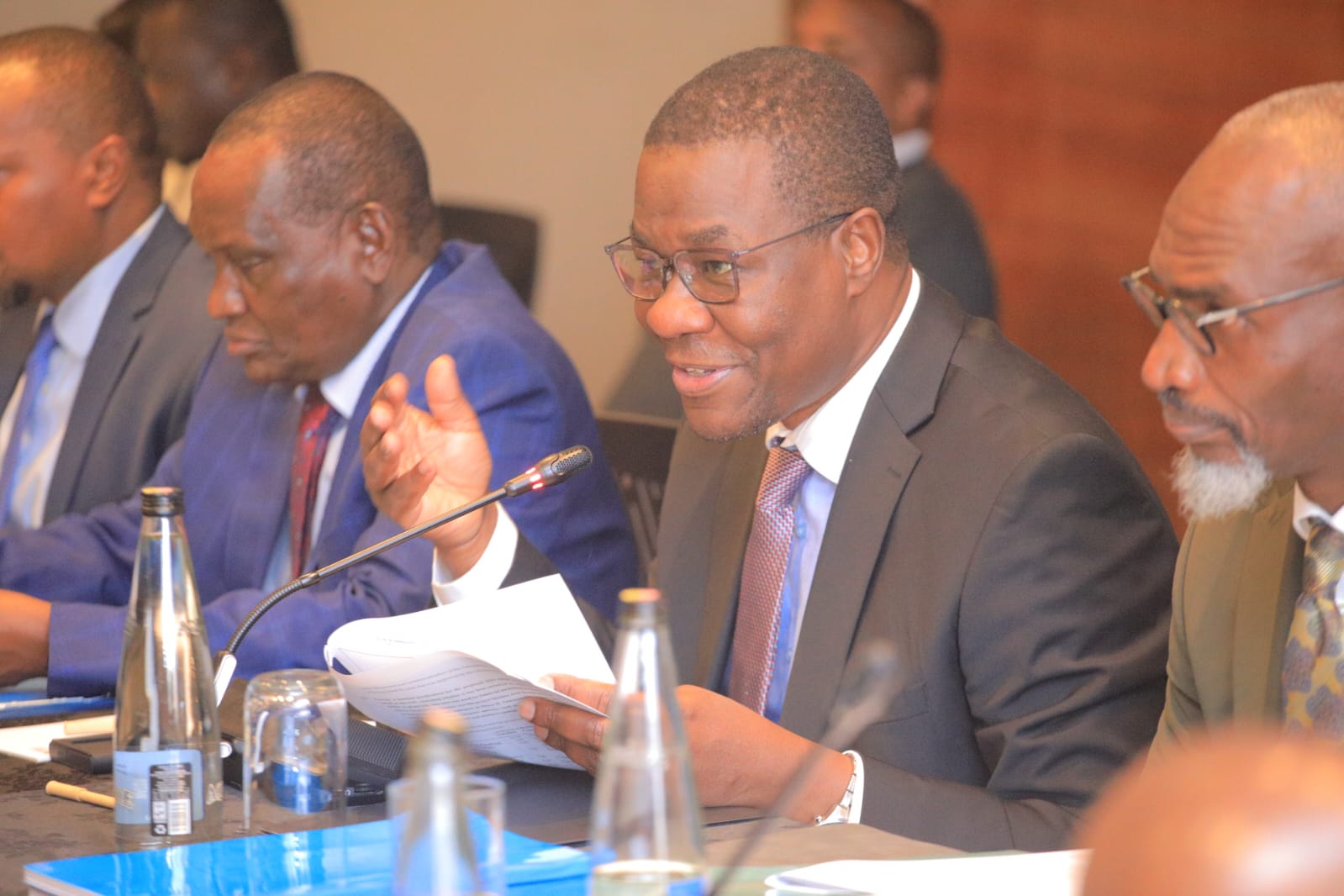
Wandayi is expected to appear before the committee on Thursday, April 9, 2026, together with key players in the petroleum value chain, for what MPs described as a detailed and evidence-based inquiry.
Energy and Petroleum Cabinet Secretary Opiyo Wandayi has been summoned by the National Assembly’s Departmental Committee on Energy to respond to allegations of substandard petroleum imports, as lawmakers move to establish what went wrong in the fuel supply chain.
The committee said it is treating the matter as urgent, warning that any lapse in the handling of petroleum products could put consumers at risk, weaken investor confidence and affect the stability of the sector.
“We are fully seized of this matter and are treating it with the highest level of seriousness. The integrity of Kenya’s petroleum supply chain is not negotiable,” said committee chairperson David Gikaria during a press briefing on Wednesday.
Wandayi is expected to appear before the committee on Thursday, April 9, 2026, together with key players in the petroleum value chain, for what MPs described as a detailed and evidence-based inquiry.
The summons comes amid a growing fuel importation saga that has already seen arrests, resignations and rising political pressure on the CS to take responsibility.
Among those who have stepped aside are Petroleum Principal Secretary Mohamed Liban, Joe Sang of the Kenya Pipeline Company and Daniel Kiptoo Bargoria of the Energy and Petroleum Regulatory Authority, following investigations into an alleged scheme involving substandard fuel and interference with supply data.
Calls for action against Wandayi have also intensified, with leaders including Kakamega Senator Boni Khalwale pushing for his resignation, impeachment or dismissal, saying he bears overall responsibility as head of the ministry.
The committee is expected to establish the source of the questionable fuel, determine whether procedures under the Government-to-Government framework were followed, and assess whether regulatory and quality control systems failed.
Gikaria said the process will be fair but firm.
“Any individual or entity found culpable, whether through commission, omission or negligence will be held to account,” he said.
Lawmakers have also directed investigative and enforcement agencies to carry out a thorough probe, insisting that the public must be fully informed.
Concerns have also been raised over possible fuel shortages in parts of the country. However, the committee cited Treasury data showing that Kenya had adequate fuel stocks as of March 30, 2026.
According to the figures, the country had 138,623 metric tonnes of super petrol, equivalent to 16 days of supply, 207,841 metric tonnes of diesel covering 19 days, and 150,398 metric tonnes of jet fuel, enough for 49 days.
Despite the assurance, MPs said Wandayi’s appearance will provide clarity on fuel quality, stock levels and the sustainability of supply.
He is also expected to explain how non-compliant fuel entered the market, outline measures to stabilise prices, restore public confidence and close gaps in regulation.
“The Kenyan public deserves full transparency, and this matter must be pursued to its logical conclusion without fear or favour,” said Gem MP Elisha Odhiambo.




Comments
Sign in with Google to comment, reply, and like comments.
Continue with Google