
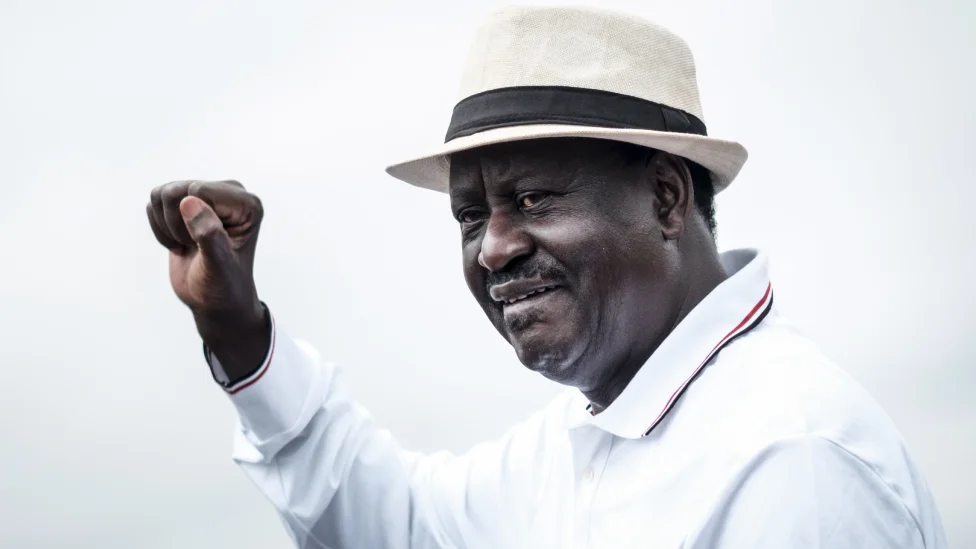
The news of Raila Odinga’s death had reached his family in Karen, Nairobi, but the country was yet to receive official confirmation as relatives, political leaders and government officials gathered at the family home, struggling to come to terms with the loss of the former Prime Minister. President William Ruto was among those present, waiting as arrangements were made for Raila’s elder brother, Dr Oburu Oginga, to arrive from Kisumu before the announcement could be made.
Political analyst Martin Andati has now recounted the confusion, grief and consultations that marked those hours, explaining how Oburu’s delayed journey to Nairobi complicated efforts to communicate the news following Raila’s death in India on October 15, 2025.
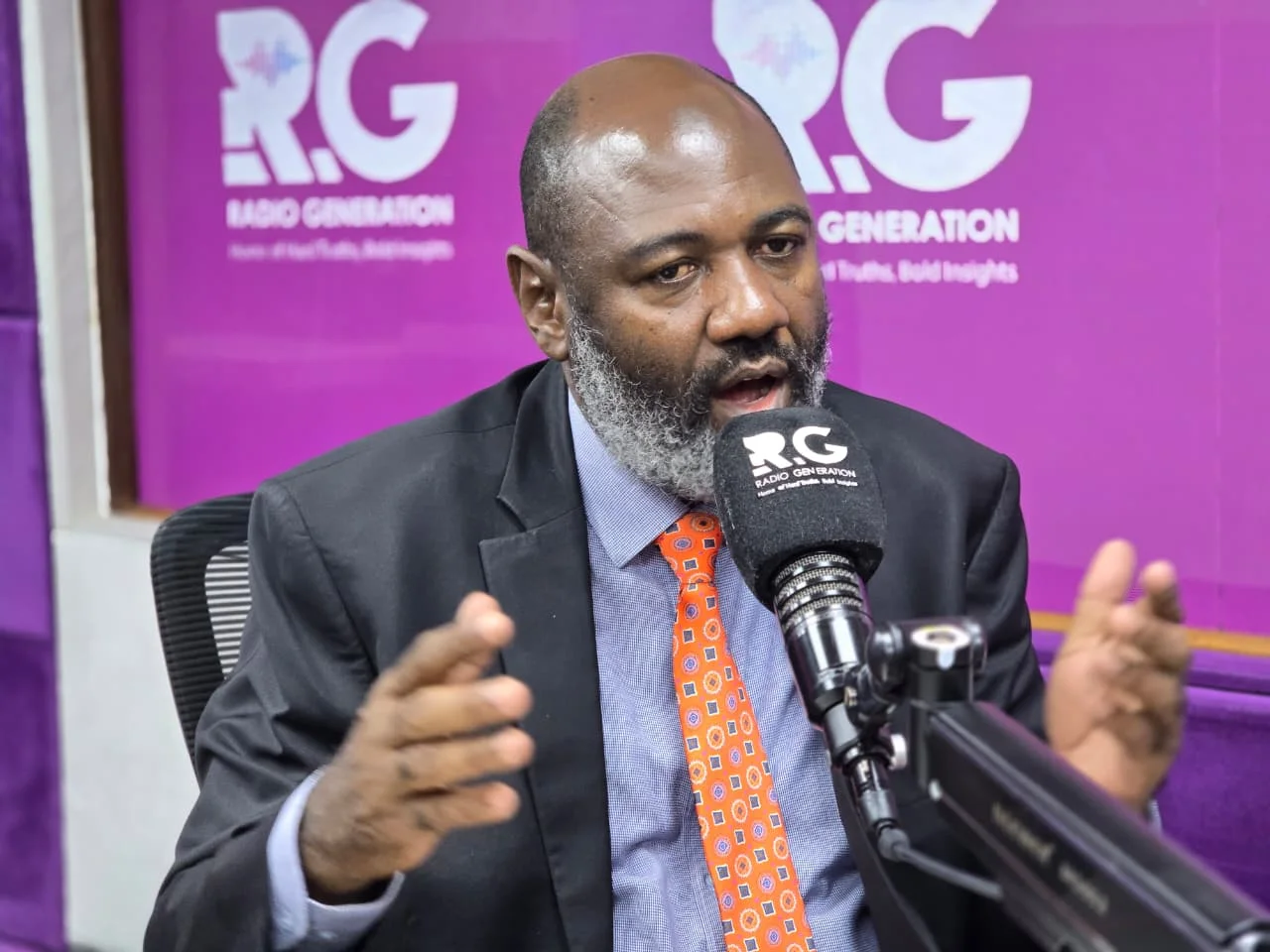
Speaking during an interview on Radio Generation on Thursday, Andati said he was among the first people to reach the Odinga family’s Karen residence after learning of the death. What followed, he recalled, was a difficult day in which disbelief mixed with mourning as relatives, leaders and members of the public sought confirmation of the news.
Andati said he was having tea with a political associate, Kanoti, when Ida Odinga called with the devastating news. Kanoti immediately recognised the seriousness of the situation and rushed towards the family’s home, prompting Andati to abandon their plans and accompany him.
When they arrived in Karen, they found Ida deeply distressed, while other officials and family members continued streaming into the compound.
“People were coming, and it was like people were not believing that Raila had gone. So it was a very, very difficult moment,” he said.
The analyst recalled that Ruto was attending a function in Kitui when he received news of Raila’s death. The President subsequently flew back to Nairobi and was driven from the helicopter landing area near the Odinga homestead into the family compound.
However, even with the President at the residence, the formal announcement could not proceed immediately because Oburu, who was in Kisumu, had not arrived.
Andati said the flight Oburu was expected to use developed problems, delaying his journey to Nairobi. The family was forced to make alternative arrangements to bring him to Karen, where consultations over the announcement were continuing.
“The flight he was supposed to use had issues, so he was delayed. They had to dispatch a flight, a chopper from here to go and bring him because Oburu is a family spokesman,” Andati explained.
As the wait continued, political leaders and family representatives made phone calls and consulted on how the news should be communicated. Ruto remained at the homestead as more people arrived, while those already present faced growing pressure to confirm what had happened.
“Now the president was still there. People are streaming in. People are making phone calls. People are asking you, you know, you have been in ODM. You are in media. Is this true?” he recalled.
Media organisations were also seeking confirmation, Andati said, but those at the residence were waiting for the family to make an official announcement.
He explained that Oburu’s presence was important because of his position as head of the Odinga family and its principal spokesperson. While Raila had been the family’s most visible political figure, Oburu held a different responsibility in representing the family during such a moment.
“Raila was the political face of the family, but Oburu is a family head,” Andati clarified.
Oburu’s eventual arrival in Nairobi paved the way for further consultations between him, Ruto and other representatives before the President proceeded to State House to announce Raila’s death on October 15, 2025.
Ida remained at the Karen residence alongside other leaders as the announcement was made, bringing an end to the period of uncertainty over the news that had already begun spreading across the country.
The government subsequently organised a delegation led by Prime Cabinet Secretary Musalia Mudavadi to travel to India and facilitate the return of Raila’s remains to Kenya.
Raila’s body arrived at Jomo Kenyatta International Airport in Nairobi at approximately 9:30 am on Thursday, October 16, 2025, aboard a Kenya Airways flight. Ida was among those who received his remains upon their arrival in the country.
Later that day, Oburu travelled to the family’s Opoda home in Bondo, Siaya County, where he formally announced the death of his younger brother to relatives and members of the community in keeping with Luo tradition.
Beyond recounting the events surrounding the announcement, Andati also criticised political leaders who began discussing the future of the Orange Democratic Movement (ODM) before Raila’s body had arrived in Kenya.
He described the discussions as insensitive, arguing that the family and supporters were still coming to terms with the loss and deserved time to mourn before attention shifted to questions about who would take over the party’s leadership.
Andati said he declined to attend a meeting convened at the Karen home to discuss Raila’s possible successor as ODM party leader, maintaining that such conversations were premature.
“I found it also a bit insensitive because you don’t inherit somebody’s wife before the burial. It was a bit insensitive to rush and start discussing the Raila situation before even the body comes here,” he said.
For Andati, the discussions went beyond the question of who would lead ODM, because Raila’s political influence was closely tied to a wider struggle for democratic governance and political accountability.
He argued that the former Prime Minister’s legacy could not be reduced to his position at the head of the party, saying his role in the fight for a better-governed country had drawn many people into the same political cause.
“Baba was ODM and ODM was Baba because Baba was the face of the struggle. So it was not just about him. We were in the struggle together for a better country, for better governance, for better accountability, for meritocracy.”
Raila died aged 80 on October 15, 2025, while receiving treatment in India. His death triggered widespread grief, with political leaders and supporters gathering at the Odinga family’s Karen residence as the family and government began arrangements to bring his remains home.
His passing also raised questions about the future of ODM, which he had led for years, and the political movement built around his decades-long fight for multiparty democracy and electoral reforms.
As Kenya marks the first anniversary of his death, Andati’s account brings renewed attention to the private grief and behind-the-scenes consultations that preceded the official announcement, as well as the political tensions that emerged before Raila’s body returned home.
The events he has described also offer a glimpse into the challenges facing ODM after the loss of a leader whose influence extended beyond the party itself, at a time when disagreements over its future direction continue to shape the political debate.