
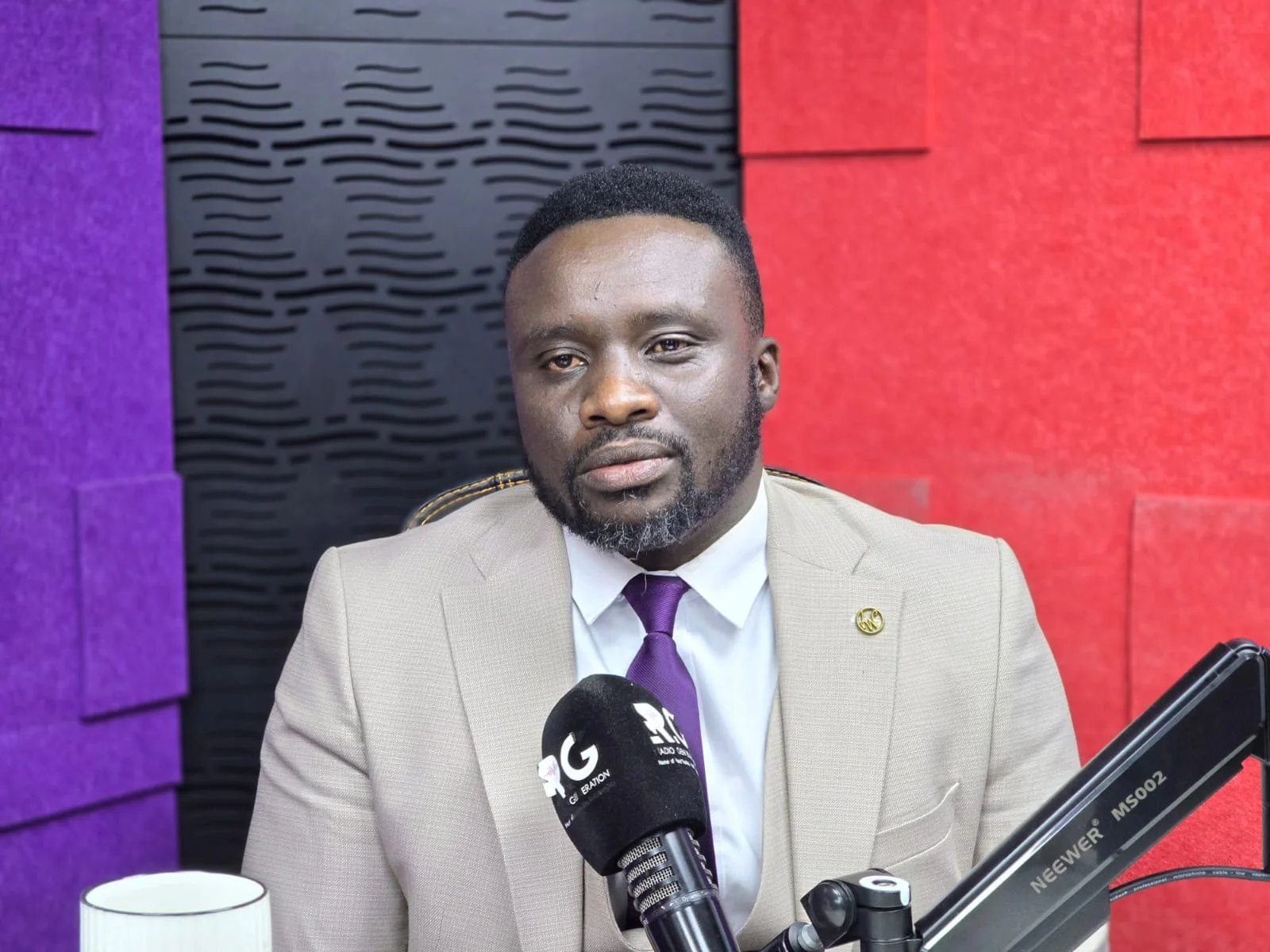
Political commentator Innocent Paluget has defended Kenya’s constitutional framework, describing it as one of the country’s greatest achievements and a critical foundation for democratic progress, amid continued debates over governance, executive authority and respect for the rule of law.
Paluget argued that Kenya should appreciate the democratic strides it has made since independence while recognising that building strong institutions takes time, urging Kenyans to assess the country’s progress within its historical context rather than compare it directly with established democracies.
Speaking on Radio Generation’s Power File show on Monday, Paluget said Kenya, which attained independence in 1963, remained a relatively young nation whose governance structures had undergone significant transformation over the decades.
His remarks come against the backdrop of Kenya’s long constitutional journey, which has seen the country move from a centralised system of government and periods of single-party rule to a multiparty democracy anchored in the 2010 Constitution.
Following independence, constitutional amendments progressively concentrated power in the presidency, while the country became a de facto one-party state before the arrangement was formally entrenched in 1982. Growing public pressure for political reforms eventually forced the restoration of multiparty politics in 1991.
The struggle for a new constitutional order culminated in the promulgation of the Constitution of Kenya 2010, following a national referendum in which 67 per cent of voters supported the proposed document.
The Constitution introduced far-reaching changes, including the separation of powers, an expanded Bill of Rights, an independent Judiciary, a bicameral Parliament and the establishment of 47 county governments.
It also established mechanisms for public participation, accountability and the equitable distribution of resources, fundamentally changing the relationship between citizens and the state.
Paluget maintained that these achievements should inform how Kenyans evaluate their democracy, particularly when comparing the country with nations whose political institutions have evolved over much longer periods.
“I often reflect on Kenya’s progress by looking at where Europe and the United States were a century ago. Despite our relatively young history as an independent nation, we have made significant achievements since colonialism. However, freedom does not always translate into complete liberation; one can be free in principle but still face limitations in reality,” he said.
He questioned the tendency to judge Kenya's democratic performance against established democracies without considering the historical processes that shaped their institutions.
“Who are we? And where are we? When did we gain our independence? This democracy thing, for how long have we done it? What structures do we have before we compare ourselves to giants that have been there since time immemorial?” he posed.
He cited the United States as an example, noting that even countries with longstanding democratic traditions continued to experience constitutional disputes and challenges involving the exercise of presidential power.
However, Paluget's argument that governments sometimes needed to exercise firmness in delivering their responsibilities prompted a discussion on the limits of executive authority and the importance of constitutional accountability.
He compared leadership to parenting, saying firmness was necessary but should never justify excessive force or violations of fundamental rights.
“Just as a father must sometimes be firm when raising his children, leadership also requires a degree of strictness to ensure responsibilities are fulfilled. However, firmness should never be mistaken for hostility or become an excuse for abuse, as leaders must always recognise the limits of their authority,” he stated.
He clarified that his position did not support abductions, killings or other forms of state violence, emphasising that government authority must operate within constitutional limits.
Paluget further argued that Kenya's Constitution had provided citizens with an important foundation for challenging decisions made by those in power.
“Kenya's democracy is way ahead of many African countries. And the thing that has enabled us to do many of the things that we do is the infrastructure we stand on, which is a constitution. The Kenyan Constitution is very good. At least it protects the rights of everyone. Yes, and also rights to push back,” he said.
He nevertheless warned that women, young people and persons with disabilities continued to be used as political mobilisation tools, with their concerns frequently abandoned after elections.
He urged these groups to pursue leadership positions and participate directly in decision-making rather than depend on political aspirants to champion their interests.