
The growing dominance of counterfeit and smuggled products in Kenya is putting legitimate businesses under increasing pressure, prompting retailers to demand action against powerful cartels they accuse of controlling the illegal supply chains and operating with protection from influential government figures.
Businesses that comply with tax and licensing requirements are struggling to survive as untaxed goods enter the market at lower prices, pushing some traders to scale down operations, abandon expansion plans or close their doors.
The situation is also denying the government billions of shillings in revenue while exposing consumers to products that may not meet safety and quality standards.
Retailers now want the government to go beyond seizing illegal merchandise from shops and pursue the individuals and companies financing and coordinating the trade, arguing that targeting the final sellers will not stop the supply of counterfeit and smuggled goods.
The Retail Trade Association of Kenya (Retrak) says the illegal business has grown beyond the capacity of isolated enforcement operations, calling for a coordinated response involving tax authorities, police and agencies responsible for product standards and consumer protection.
The association wants the Kenya Revenue Authority (KRA), Anti-Counterfeit Authority (ACA), Kenya Bureau of Standards (KEBS) and National Police Service to adopt a common enforcement strategy, appoint an agency to lead the operation and set deadlines for reporting progress.
The demand comes as illicit trade continues to spread across several sectors, with alcohol and tobacco among the worst affected. Other markets increasingly facing the challenge include sugar, cosmetics, clothing and motor vehicle spare parts.
Figures from a Kantar study show that illegal cigarettes increased their share of Kenya's cigarette market from 34.1 per cent in 2021 to 45.1 per cent in 2025.
The growing trade is estimated to have denied the government Sh10.2 billion in excise duty and Value Added Tax in 2025, bringing the cumulative revenue losses between 2021 and 2025 to Sh47 billion.
The alcohol industry is also grappling with a substantial illegal market. Data submitted to Parliament by the ACA shows that illicit alcohol accounts for about 59 per cent of total alcohol consumption by volume in the country, with the economic cost estimated at Sh71 billion in 2022.
A separate ACA firm-level survey found that counterfeit products made up an average of 18 per cent of goods across the sectors assessed. The rate was higher in motor vehicle spare parts, at 21 per cent, while alcoholic drinks recorded 19 per cent.
Enforcement agencies have also reported large seizures, reflecting the scale of the illegal business.
During the first three quarters of the 2025-26 financial year, the ACA confiscated counterfeit goods worth more than Sh563 million. In July, KRA destroyed fake and illicit products valued at Sh218 million.
The tax authority has separately intercepted nearly 100 tonnes of smuggled sugar in Lodwar and Marsabit, pointing to the continued use of porous border points and established routes to move illegal consignments into the country.
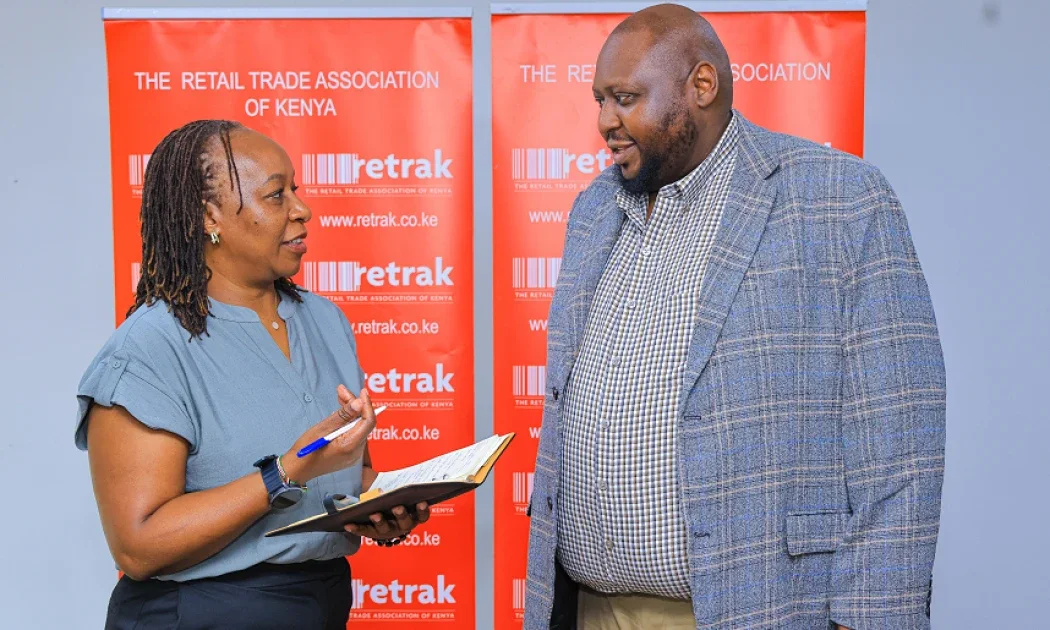
Retrak chief executive Wambui Mbarire said investigations should not end when illegal products are discovered in retail outlets, insisting that authorities must establish the people responsible for moving the goods from their source to the market.
“Seizing illicit products from a shop is only the beginning. Investigators must establish who supplied the goods, where they were stored, who transported them and who financed the consignment. Following that trail is how we disrupt the networks and prevent the next delivery,” she said.
Mbarire said legitimate traders were losing business to competitors who avoid taxes and regulatory expenses, allowing them to sell products at prices that compliant retailers cannot match.
She added that retailers need reliable ways of checking excise stamps and product authentication marks to help them identify suspicious merchandise before accepting deliveries.
Retrak is also pushing for confidential reporting systems that would allow shop workers and consumers to alert authorities without fear of exposure. It wants agencies to provide regular information on investigations, court cases and recovered tax revenue to demonstrate that action is being taken against those behind the trade.
The association warned that without clear enforcement results, illegal suppliers would continue operating while registered businesses bear the financial burden of meeting licensing, taxation and other regulatory obligations.
The hospitality sector has also joined the calls for a change in strategy, arguing that efforts to control illicit alcohol and other products should concentrate on the illegal supply chain rather than place further pressure on businesses operating within the law.
Michael Kiragu, national chairman of the Pubs, Entertainment and Restaurants Association of Kenya, said the country already had laws to deal with the problem, but enforcement agencies were failing to apply them effectively and hold offenders accountable.