With nearly 50,000 Kenyans powering key sectors in the neighbouring country, the lawmaker warns that the government cannot afford to overlook a community that sends home over Sh500 million annually.
Head coach William Muluya has demanded sharper attacking urgency and rock-solid defensive discipline as his side prepares to face South Sudan in Addis Ababa on Monday at 4 pm a fixture that could define Kenya’s route through the group.
The Africa Centres for Disease Control and Prevention (Africa CDC) reported that by November 14, nine individuals had tested positive for Marburg virus in Jinka.
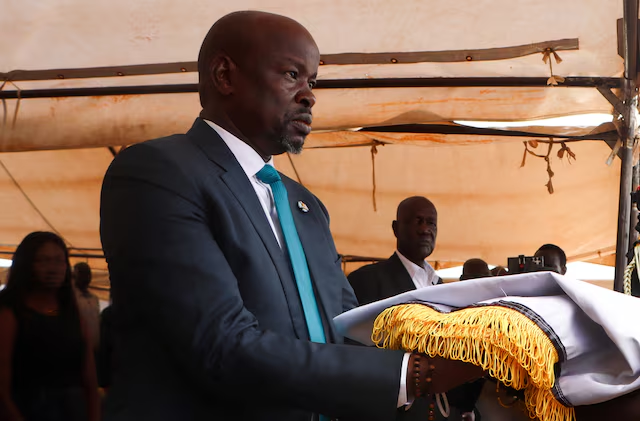
Bol Mel, who took office as one of the country’s five vice presidents in February, has also been demoted from the military rank of general, which he was awarded in September. His appointment earlier in the year followed a decree by President Kiir that replaced Wani Igga, with Bol Mel taking the role on behalf of the ruling Sudan People’s Liberation Movement (SPLM).
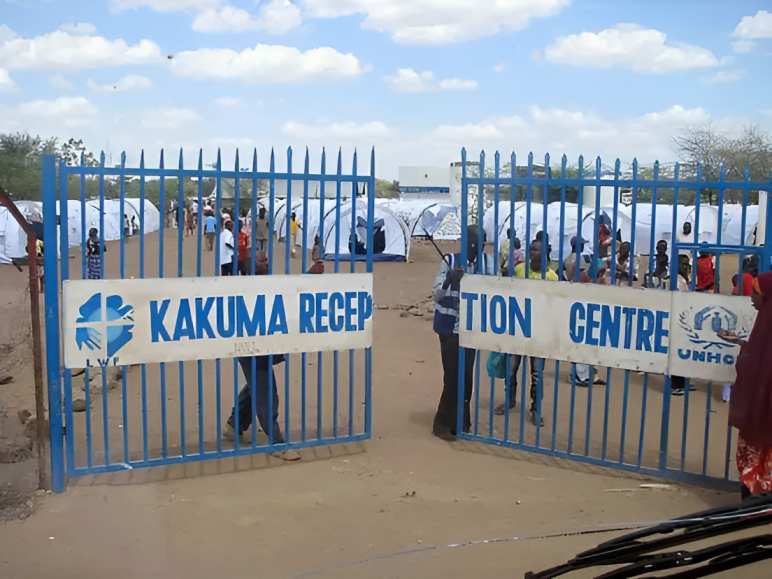
Figures released by the UN show that 148,000 South Sudanese have crossed into Sudan, 50,000 into Ethiopia, another 50,000 into Uganda, 30,000 into the Democratic Republic of Congo, and 25,000 into Kenya. This new wave of displacement adds to the 2.5 million South Sudanese already living as refugees in neighbouring countries. Within South Sudan, at least two million people remain displaced, while the country also shelters more than half a million refugees who fled the war in Sudan.
Save the Children noted that entire communities have already lost farmland, homes, livelihoods, and access to schools and medical facilities. Rising waters have displaced 379,000 people, leaving many without basic necessities. The charity also warned that waterborne diseases and snake bites are escalating public health concerns, particularly among children and vulnerable groups.
According to the report by the Commission on Human Rights in South Sudan, acting on behalf of the UN Human Rights Council, the state collected $25.2 billion in oil money, yet "hardly any money reaches essential services" in one of the world’s poorest nations.
Justice Minister Joseph Geng Akech said the accusations stem from the attack in the north-eastern town of Nasir, where the White Ant militia, largely composed of Nuer fighters from Machar’s ethnic community, seized an army base.
The UN Panel of Experts, in a report submitted to the Security Council Committee on South Sudan in July, noted that gold, charcoal and oil were being laundered across the Horn of Africa, with Kenya and Uganda highlighted as major transit routes.
While international charity World Vision says communities have made strong gains in fighting these challenges, it warns that cuts to foreign aid are now putting years of progress at risk.
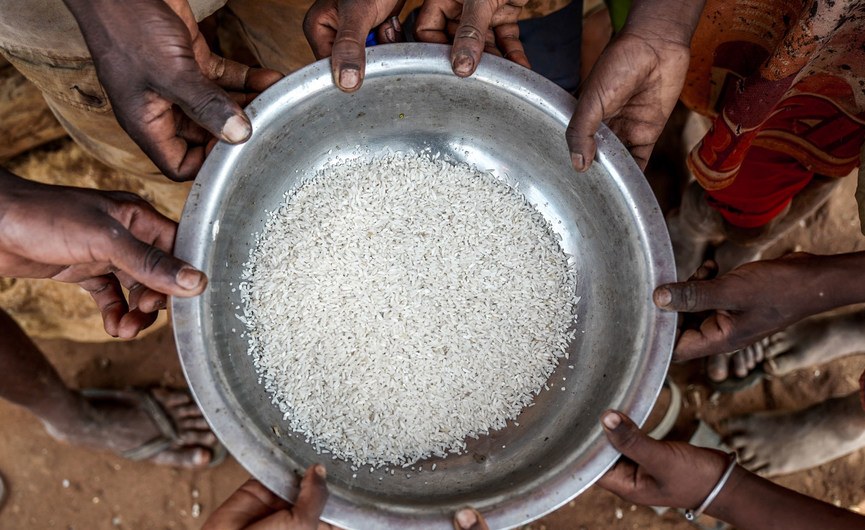
Starting in June, food rations will be reduced to just 28 percent of daily nutritional requirements, while all cash assistance will be suspended unless urgent funding is secured.
PS Sing'Oei explained that the ministry received Sh900 million for opening new missions in locations such as Jeddah, Asmara, Abidjan, Bogotá, Congo Brazzaville and Hungary.
Reath Muoch Tang, an opposition lawmaker and senior figure in Machar's party, said the government's classification of several Nuer counties as hostile was a dangerous move.
Famine conditions have been confirmed in 10 locations, including eight areas in North Darfur and two in the Western Nuba Mountains, where food insecurity has reached alarming levels.
On Saturday, April 5, US Secretary of State Marco Rubio blamed the transitional government of the African nation for a lack of “full cooperation” and accused South Sudan of “taking advantage” of Washington.