Motorcycle surge pushes Kenya’s vehicle registrations to new high in 2025
Newly registered motor vehicles also recorded a slight rise, standing at 142,994 in 2025 compared to 140,703 in 2024. A longer view shows 119,205 vehicles in 2023, 99,365 in 2022 and 107,499 in 2021, reflecting gradual growth over time.
Movement across roads, ports, airports, and construction sites picked up pace in 2025 as new data from the Economic Survey 2026 shows a stronger flow of transport activity, rising mobility demand, and expanding infrastructure use across the country.
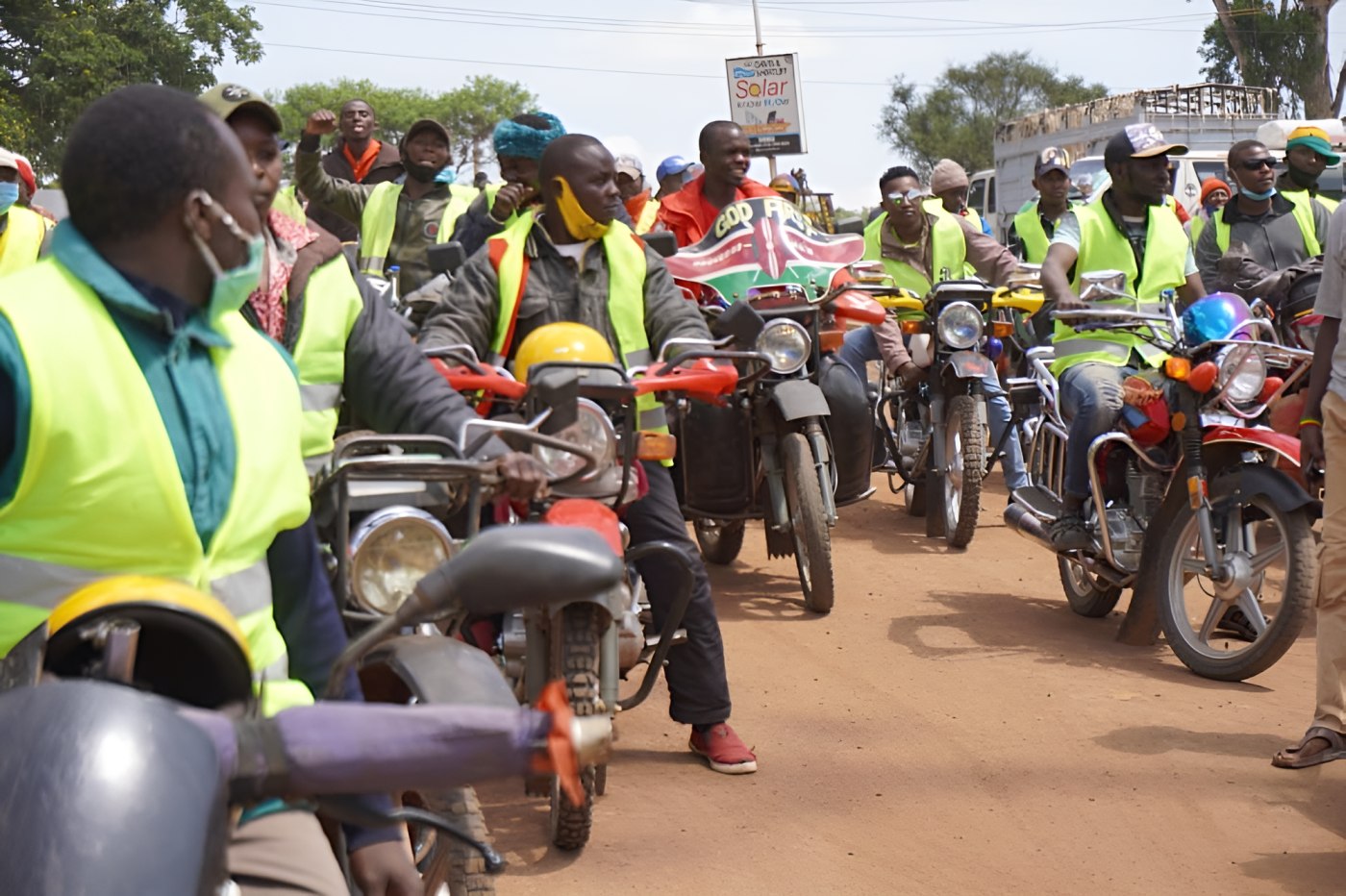
One of the clearest shifts was seen in vehicle and motorcycle registrations, which climbed from 267,193 units in 2024 to 395,235 in 2025. The increase was mainly powered by motorcycles, auto-cycles and three-wheelers, which almost doubled over the period, pointing to a growing reliance on two and three-wheel transport.
Newly registered motor vehicles also recorded a slight rise, standing at 142,994 in 2025 compared to 140,703 in 2024. A longer view shows 119,205 vehicles in 2023, 99,365 in 2022 and 107,499 in 2021, reflecting gradual growth over time.
Motorcycles and auto-cycles dominated the surge, increasing to 241,763 units in 2025 from 118,308 in 2024. Three-wheelers added to the rise with 10,478 units registered in the same period.
Road safety data showed a tougher picture on the roads. The number of reported accidents rose to 11,638 in 2025 from 11,165 in 2024. Fatalities reached 5,009 while injuries affected 19,896 people over the same period.
Road infrastructure continued to expand, with paved roads reaching 25,412 kilometres by June 2025. The network includes 365 kilometres of super highways classified as ‘Class S’, 5,844 kilometres of international trunk roads classified as ‘A’, and 6,880 kilometres of national trunk roads classified as ‘B’.
Primary roads classified as ‘C’ covered 6,994 kilometres, while secondary roads classified as ‘D’ stood at 751 kilometres. Minor roads classified as ‘E’ measured 833 kilometres, special purpose roads classified as ‘F’ were 778 kilometres, and unclassified roads classified as ‘G’ stood at 2,965 kilometres.
Government allocation to road works during the 2025/26 period was Sh168.7 billion. Transport earnings showed mixed movement, with Sh21.4 billion collected from passenger and freight services, while revenue from metre gauge rail dropped to Sh2 billion.
Trade and logistics also recorded shifts. Cargo handled at the Port of Mombasa rose by 11.2 per cent to 45.6 million tonnes, with imports making up 36 million tonnes. At the same time, passenger numbers fell to 12.7 million, while air cargo increased by 12.5 per cent to 419,751.6 tonnes, with JKIA handling 97.3 per cent of the volume.
The construction sector remained active, supported by housing demand and public projects. Employment in the sector reached 238,300 jobs in 2025, reflecting continued expansion of building and infrastructure work.
“Government initiatives, particularly under the Affordable Housing Programme (AHP), continued to support the sector and expand the supply of housing units across the country,” part of the survey said.
Cement consumption also reflected changing construction activity, moving from 9,098 tonnes in 2021 to 9,494 tonnes in 2022, 9,196 tonnes in 2023, dipping to 8,543 tonnes in 2024 before rising again to 10,280 tonnes in 2025.




Comments
Sign in with Google to comment, reply, and like comments.
Continue with Google