Senate report exposes delays shaking clinical officers’ welfare and staffing system

Senators say the Ministry of Health, the Council of Governors, and related bodies have struggled to align on implementation of agreements and staffing plans, leaving major gaps in the system and slowing down reforms that affect thousands of health workers.
A Senate Health Committee report has revealed long-standing delays and coordination problems in the management of clinical officers, raising concern that ongoing breakdowns in key institutions are affecting service delivery in health facilities across the country.
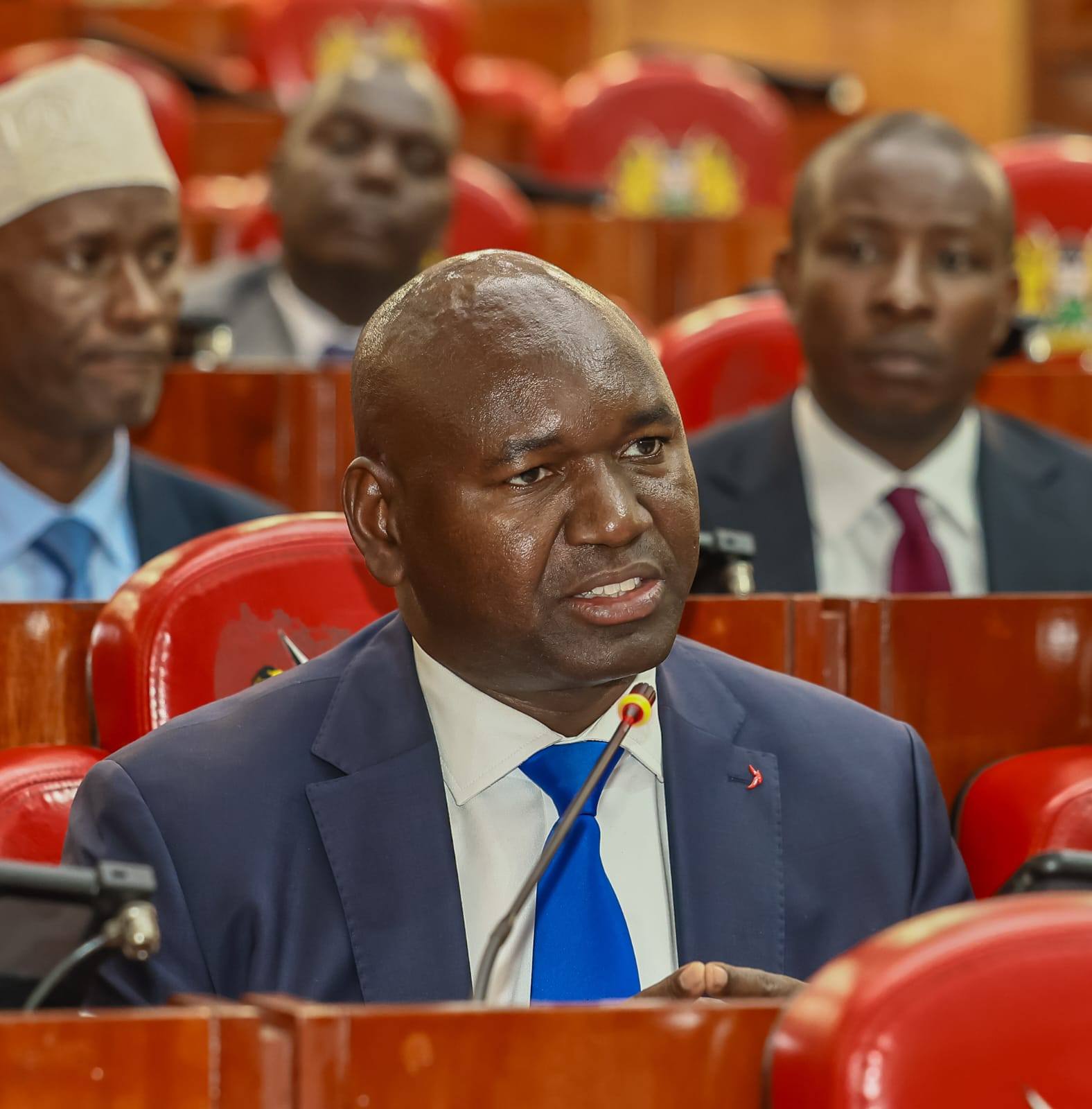
The report, presented in the House by committee chair Jackson Mandago, points to stalled reforms, slow decision-making, and weak coordination between government agencies responsible for health workforce management.
Senators say the Ministry of Health, the Council of Governors, and related bodies have struggled to align on implementation of agreements and staffing plans, leaving major gaps in the system and slowing down reforms that affect thousands of health workers.
The committee stated, “Persistent administrative and bureaucratic failures continue to undermine Kenya’s health workforce management,” highlighting repeated delays in resolving long-standing disputes.
The report originates from a petition by the Kenya Union of Clinical Officers, which accused the government and the Social Health Authority of unfair treatment, interference with professional duties, and failure to implement signed labour agreements.
At the centre of the dispute are several agreements, including the March 2025 Memorandum of Understanding, the January 2026 Return-to-Work Agreement, and a Collective Bargaining Agreement, all of which have faced setbacks in approval processes and court registration. These delays, the committee noted, have disrupted salary structures, delayed arrears payments, and slowed the implementation of allowances.
The Senate committee also raised concern over a large backlog in training and deployment of clinical officers. Thousands of qualified graduates remain without internship placements, affecting both their entry into the workforce and staffing levels in public health facilities.
The situation has been ongoing for years, with the petitioners noting that some graduates have waited since 2022.
“There are interns who were supposed to be posted in December 2022, but this has not happened to date and there is no communication on when all interns will be posted,” the petitioners said.
According to information presented to the committee, more than 5,400 clinical officer graduates are still waiting for internship placement, creating pressure on already overstretched health facilities across the country.
The report further notes delays in the absorption of workers recruited under the Universal Health Coverage programme. Although there were earlier commitments to move them into permanent and pensionable terms, progress has been slowed by verification challenges, payroll disagreements, and coordination gaps between national and county governments.
The Public Service Commission informed the committee that the process has also been affected by limited fiscal space and legal complications in aligning employment terms across different levels of government.
Despite these challenges, the committee highlighted that Sh8.94 billion has been set aside in the 2026–27 budget to support the transition of workers. However, it warned that without strong systems in place, the funds could face delays in release or misuse.
Concerns were also raised over alleged exclusion of clinical officer-run facilities from the new Social Health Authority system. The union claimed that more than 1,000 facilities that were previously contracted under the defunct National Hospital Insurance Fund were left out of the current empanelment process.
This exclusion, according to the petitioners, has reduced access to healthcare services and forced many patients to pay out of pocket, while also affecting registration levels under the new insurance arrangement.
To address the issues raised, the Senate committee has issued recommendations aimed at speeding up implementation of stalled agreements and improving coordination among institutions involved in health workforce management.
It directed the Ministry of Health, the Council of Governors, and county public service boards to develop a clear implementation plan for the Return-to-Work Agreement and the Collective Bargaining Agreement within 30 days.


Comments
Sign in with Google to comment, reply, and like comments.
Continue with Google