From police stops to hospital queues: Where Kenyans say bribery is unavoidable
Health facilities are another major area of concern. Patients report paying extra charges to access treatment, secure hospital beds, or move faster through queues. These costs affect many families, especially those already struggling with limited income.
For many Kenyans, accessing basic public services is no longer just about paperwork or waiting time, it is often about whether one can afford an extra unofficial payment to be served. A new national survey now lays bare where these demands are most common, showing a pattern of bribery tied closely to key government services that citizens rely on most.
The Kenya National Gender and Corruption Survey 2025 shows that corruption is concentrated in specific sectors where citizens have little choice and must interact directly with public officers. These are mainly areas where services are urgent, procedures are complex, or delays are common.
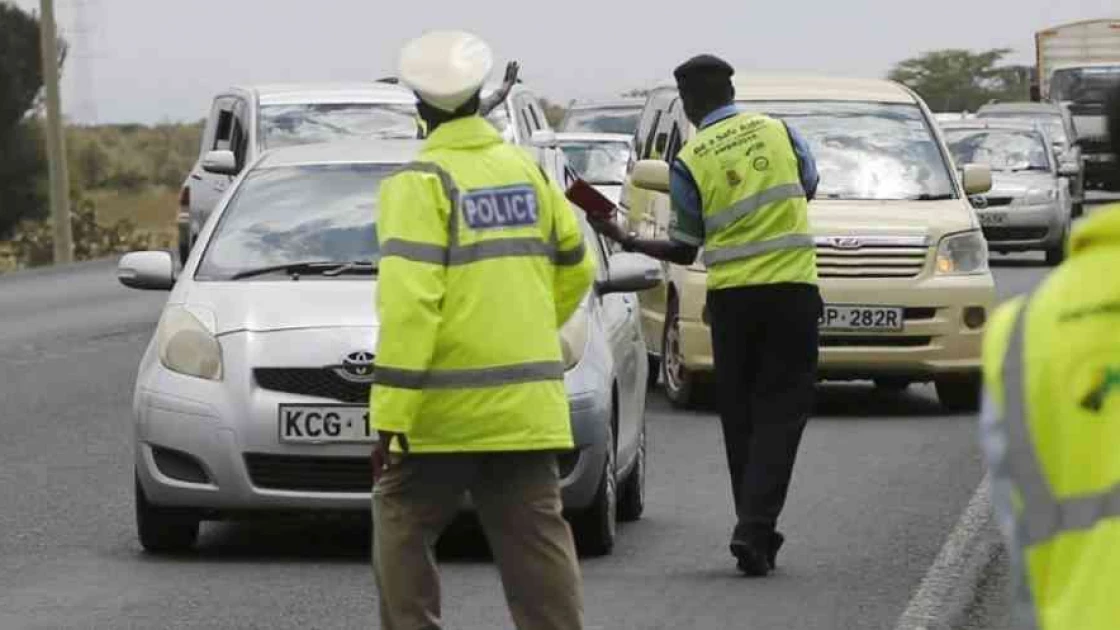
Police services are identified as the most common point where citizens encounter bribery. Many incidents happen during traffic checks, arrests, and routine inspections. Motorists and members of the public report being asked for money to avoid penalties or speed up release, making such payments feel routine in some cases.
Land administration offices also feature strongly in the findings. Citizens seeking title deeds, land transfers, or dispute resolution report some of the highest bribe demands. The report links this to long procedures, delays, and complicated processes that create pressure for informal payments.
Health facilities are another major area of concern. Patients report paying extra charges to access treatment, secure hospital beds, or move faster through queues. These costs affect many families, especially those already struggling with limited income.
“Corruption is concentrated in sectors where citizens have limited alternatives and urgent needs,” the report notes.
The findings show that urban counties such as Nairobi, Mombasa, and Kisumu experience higher levels of bribery cases. This is attributed to the high number of interactions between citizens and public institutions in busy urban settings.
However, the report also shows that some smaller counties are not exempt. In these areas, land services and local administration are highlighted as problem areas, with weak oversight and limited transparency contributing to the persistence of bribery.
The study also shows that not all bribes are the same. Payments linked to land services and procurement-related dealings tend to be higher in value. On the other hand, smaller payments are more common in routine services like licensing. Despite this, police-related interactions record the highest number of bribery incidents due to frequent contact with the public.
“Where systems are complex and accountability is weak, corruption thrives,” the report observes.
The burden of bribery is not shared equally. Low-income households are the most affected, often spending a larger share of their earnings on informal payments. In some situations, individuals are unable to access services altogether if they cannot afford to pay.
Even though many citizens are aware of corruption, reporting remains low. Fear of victimisation, lack of trust in institutions, and doubts about follow-up action discourage many from speaking out.
The survey notes that digitisation and reforms have helped reduce direct contact between citizens and officers in some services. However, it warns that technology alone cannot eliminate corruption without strong enforcement and accountability systems.
It recommends targeted reforms in high-risk sectors and counties. These include simplifying procedures, strengthening oversight, improving transparency, and protecting whistleblowers. The aim is also to rebuild public confidence in reporting systems.
The survey was carried out by the Ethics and Anti-Corruption Commission together with the United Nations Office on Drugs and Crime-Regional Office in Eastern Africa, the National Gender and Equality Commission, the Kenya National Bureau of Statistics, and Transparency International Kenya.
It covered all 47 counties, focusing on how citizens interact with public officers when accessing services. Data was collected through face-to-face interviews using Computer-Assisted Personal Interviewing tools, reaching a nationally representative sample drawn from the 2019 census.
Out of 22,005 households sampled, 21,941 were successfully reached, while 16,858 interviews were completed.
The study used a cross-sectional mixed-methods design combining quantitative and qualitative approaches. It included household surveys, focus group discussions across selected counties, key informant interviews, and secondary data analysis. A stratified sampling method was used to ensure representation across all counties, and the final data was cleaned and validated for accuracy and gender-based analysis.



Comments
Sign in with Google to comment, reply, and like comments.
Continue with Google