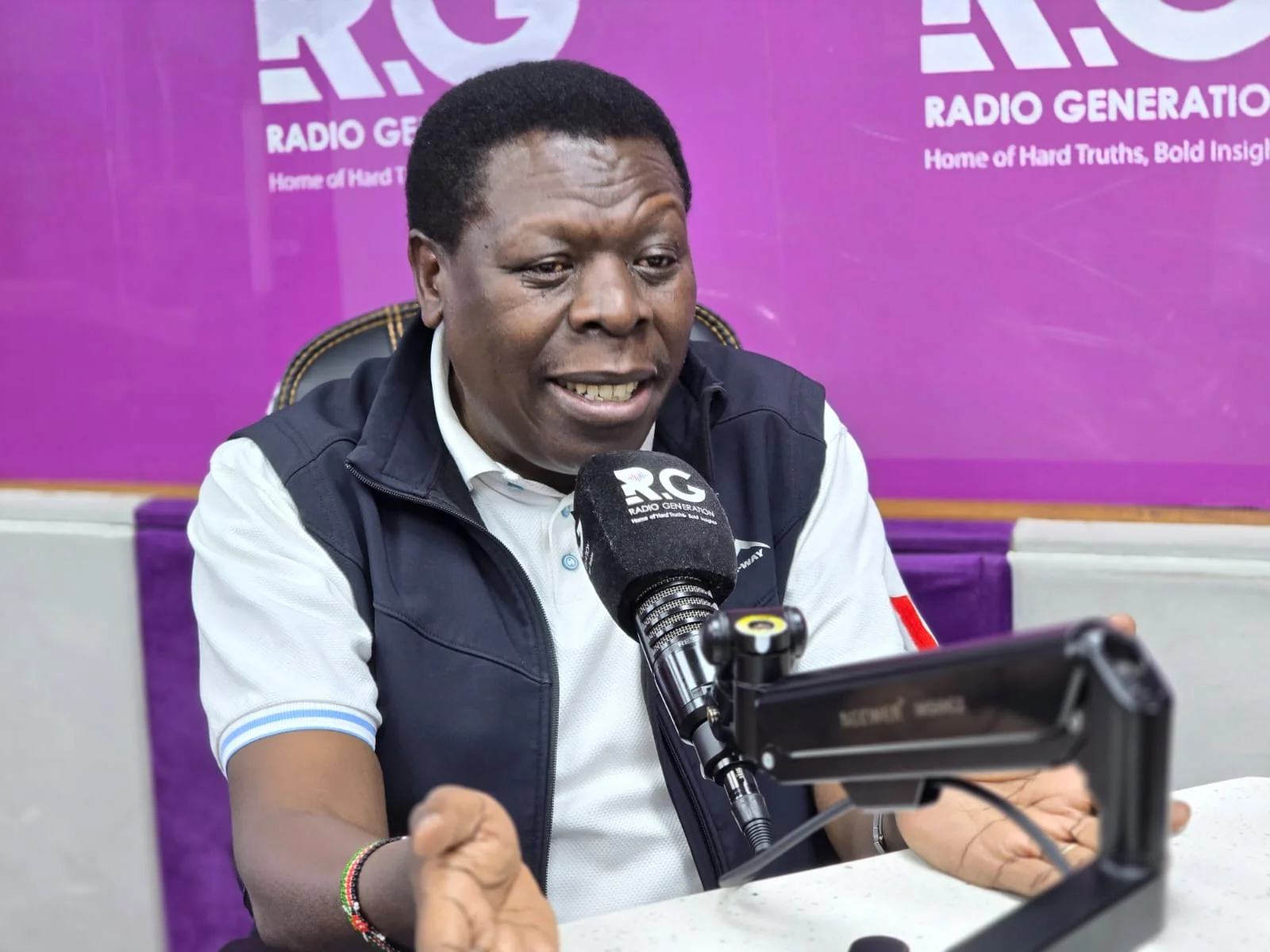
The proposed Dangote refinery in Lamu has received backing from DAP-K leader Eugene Wamalwa, but he wants the government to first ensure residents affected by the multibillion-shilling project are properly involved and compensated.
Wamalwa said the push for major investments should go hand in hand with respect for the law, due process and the rights of communities whose land and livelihoods may be affected.
His position comes against the backdrop of a continuing dispute over land earmarked for the proposed Dangote East Africa Refinery, with residents questioning the ownership of the property, compensation arrangements and their involvement in decisions surrounding the project.
The refinery, estimated to cost more than Sh2 trillion, is among the major investments planned around Lamu and the LAPSSET corridor.
Wamalwa draws line on investment support
In a statement on Thursday, Wamalwa made it clear that his support for the refinery was dependent on the project complying with the law.
He said the opposition does not reject development or investors but expects projects of such scale to respect communities living in areas where they are established.
“ We are not opposed to the Dangote Lamu County refinery or any other developer or investor as long as the law and due process are followed, including proper public participation and just compensation for all persons displaced or affected by the project,” Wamalwa wrote on X.
Wamalwa, who said he had attended a funeral in Kwale, referred to his experience in government when he served as Cabinet Secretary for Water and Irrigation between 2015 and 2018.
He cited the Mwache, Thiba, Thwake and Karimenu dam projects as examples of major developments undertaken during his tenure.
According to Wamalwa, the experience from those projects reinforces the need to involve people affected by large developments and ensure they receive appropriate compensation.
He argued that residents affected by the Lamu refinery should receive similar consideration as the government and investors move ahead with the project.
Chandavai residents take land dispute to court
The land earmarked for the refinery has become a major point of concern among some Lamu residents.
In September 2026, 133 Chandavai residents filed a case challenging the land arrangements, saying they had occupied, cultivated and developed parts of the disputed property over generations.
The residents want their interests in the land recognised and compensation addressed before the development proceeds.
The Malindi Environment and Land Court subsequently directed that the status quo on the disputed parcel be maintained until October 14, 2026.
Despite the court order, the directive did not prevent the project from reaching a key milestone, with the groundbreaking ceremony taking place on September 30, 2026.
The dispute has also featured in community discussions, where residents have called for more information about the land and greater involvement in decisions affecting them.
Apart from compensation, local residents have sought assurances that the refinery will create economic opportunities for surrounding communities and that their concerns over the use of their land will be addressed.
Dangote says government dealt with compensation
The disagreement has brought into focus different accounts over whether compensation for the land has already been settled.
Dangote Group President and CEO Aliko Dangote said before the groundbreaking that the Kenyan government had already addressed compensation relating to the land allocated for the refinery.
“The issue of compensation had actually already been done by the government,” Dangote said, according to reports published at the time.
However, residents challenging the land arrangements continue to argue that those claiming an interest in the property must be identified and their rights dealt with.
The issue has consequently shifted beyond the question of whether compensation was paid.
At the centre of the dispute is also the question of who is entitled to compensation and whether people who have occupied, farmed or developed the land were properly considered during the acquisition process.
Push for new public participation law
Wamalwa has also called for Parliament to move forward with the Public Participation Bill, 2025, which he says would strengthen the legal framework for involving Kenyans in public decision-making.
The proposed legislation provides rules and guidelines for public participation by government institutions and seeks to give effect to the constitutional requirement for citizen involvement.
The National Assembly passed the Bill in August 2026 before it was forwarded to the Senate.
The Senate later invited members of the public to submit their views on the proposed law.
Wamalwa said such legislation would be important in ensuring that communities are not simply informed about major projects but are given an opportunity to raise concerns and contribute to decisions affecting their land, livelihoods and future.
Questions extend beyond land
The land dispute is not the only issue drawing attention to the proposed refinery.
Nairobi Senator Edwin Sifuna has sought information from the Senate concerning the project's approval, financing, public participation, environmental impact, land arrangements and ownership.
His move has added to questions surrounding Kenya's proposed role in the investment.
The refinery is expected to form part of the wider development ambitions for Lamu and the LAPSSET corridor, with its projected cost put at more than Sh2 trillion.
The government and project proponents have promoted the refinery as a major industrial investment, while sections of the local population continue to seek clarity on how the project will affect them.
For the affected communities, key concerns include ownership and compensation for the land, access to employment opportunities and protection of the environment.
Wamalwa's remarks have therefore placed renewed attention on how the government and investors can pursue the refinery while addressing the rights and concerns of residents living in its path.