
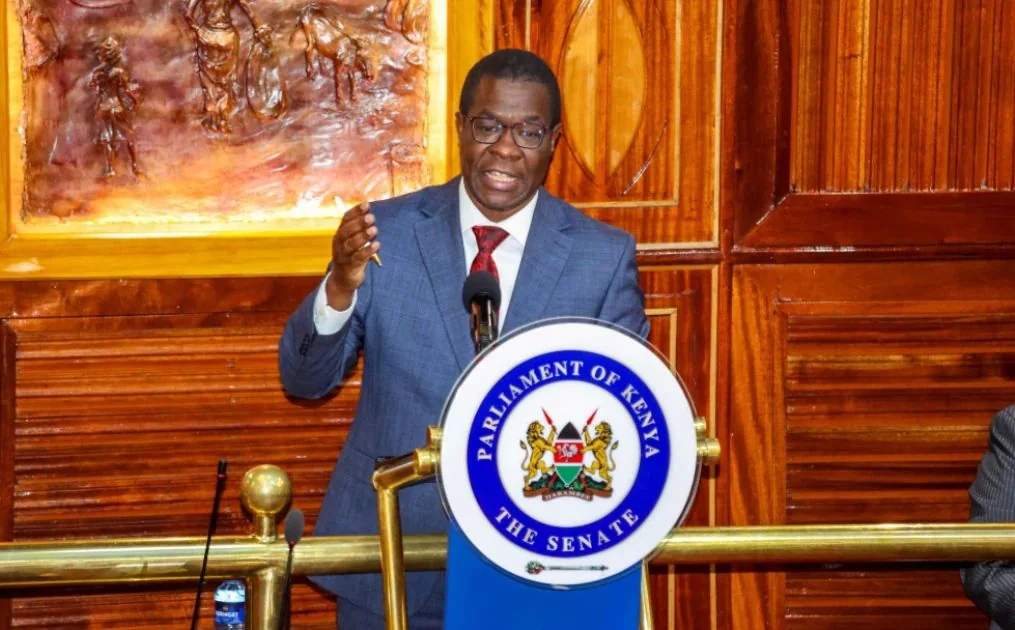
The Ministry of Energy and Petroleum has assured Kenyans of uninterrupted fuel supplies despite rising global oil prices caused by escalating conflict in the Middle East, which has disrupted shipping routes and damaged critical petroleum infrastructure.
In a statement issued on Tuesday, October 13, 2026, Energy Cabinet Secretary Opiyo Wandayi said Kenya had maintained adequate fuel stocks, with cargoes arriving and being offloaded on schedule despite disruptions affecting international oil markets.
“Through all of this, Kenya’s fuel supply has remained uninterrupted,” Wandayi said, adding that petroleum products had remained available at the pump in every county without a single day of interruption.
The assurance comes amid growing pressure on global fuel supplies following attacks on tankers operating in the Gulf and strikes targeting pipelines and loading facilities across the Middle East.
According to the ministry, the attacks have forced temporary shutdowns and the rerouting of petroleum cargoes, reducing the volume of products reaching international markets while increasing transportation and insurance costs.
The disruptions have pushed up landed fuel costs in Kenya, with the government warning that consumers could face further upward pressure on pump prices in the coming weeks.
The ministry reported a significant increase in the cost of importing petroleum products over the past two months.
The cost, measured on a cost, insurance and freight (CIF) basis at the Port of Mombasa, rose from approximately $1,199 per tonne in August to $1,385 in September for Super Petrol.
Diesel costs also increased, climbing from about $1,200 per tonne to $1,313 over the same period.
The ministry said the upward trend began after landed costs reached their lowest levels in June, with petrol subsequently rising to its highest level this year.
Under Kenya’s M1 pricing rule, fuel cargoes are priced using benchmarks from the preceding month. This means changes in international oil prices are reflected in subsequent domestic fuel pricing cycles.
“As these disruptions escalate, the market expects further upward pressure on fuel prices in the weeks ahead,” the statement said.
Wandayi said Kenya’s Government-to-Government (G-to-G) petroleum procurement framework had helped protect the country from some of the additional costs associated with the global supply disruptions.
Under the arrangement, international oil companies supplying Kenya have sourced cargoes from alternative ports and regions when traditional loading points in the Gulf have faced disruptions.
The ministry said the approach had helped ensure deliveries continued despite challenges affecting conventional shipping routes.
It added that Kenya continued to pay fixed freight charges and premiums agreed upon before the latest crisis, unlike markets exposed to rising open-market transportation costs.
“Kenya continues to pay the same fixed freight and premium that were agreed upon way before this disruption began,” the statement said.
The ministry described the fixed costs as a saving for consumers, arguing that their value increases when international freight charges and insurance premiums rise.
The government said it would continue exploring measures to cushion consumers against the effects of global oil market shocks, noting that no government could directly control international crude oil prices.
Wandayi disclosed that the National Assembly was considering a proposed amendment to extend the application of the eight per cent Value Added Tax on petroleum products by a further 90 days from October 15, 2026.
The ministry said it would also continue working with suppliers to ensure timely cargo deliveries, preserve the terms of the G-to-G arrangement and keep the public informed as the situation develops.
The government maintained that although international market conditions remained uncertain, Kenya's petroleum supply was secure.