

Nairobi Senator Edwin Sifuna has claimed that the government is concealing project agreements to facilitate the misuse of public funds, pledging that the Linda Mwananchi Movement will make all government project contracts accessible to the public.
Sifuna said transparency, accountability and sustainable development would form the foundation of the movement's agenda, arguing that Kenyans should have access to agreements underpinning major government-funded projects.
In a statement shared on his Facebook page on Monday, the senator accused President William Ruto's administration of withholding critical project agreements, alleging that the secrecy surrounding the contracts was exposing taxpayers to financial exploitation.
“Transparency, Accountability, sustainable development. The Linda Mwananchi Movement promise is to make all project contracts available to the public in conformity with these three Constitutional Values,” Sifuna stated.
He questioned the government's reluctance to disclose agreements associated with major infrastructure and development projects, suggesting that public access would enable Kenyans to scrutinise project costs, contractual obligations and the use of public resources.
“We all know why the Ruto regime hides these agreements,” he added.
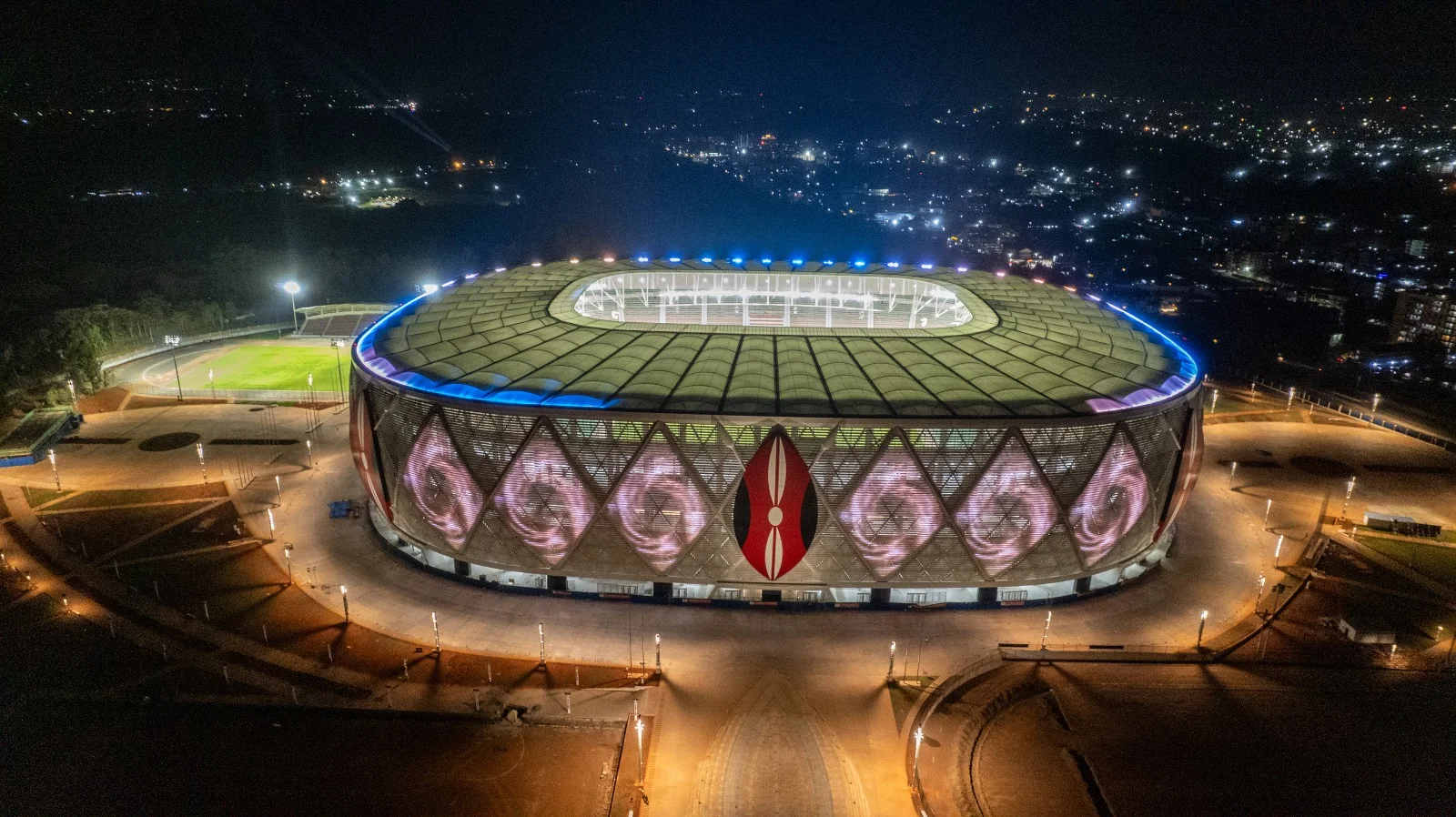
The Linda Mwananchi chief specifically cited the Bomas of Kenya project, Talanta Stadium, the Rironi Highway and the proposed Lamu refinery as examples of projects whose agreements should be made available for public scrutiny.
His remarks came amid renewed public attention on the financial implications of the Bomas of Kenya project following the local newspaper's headline, Bomas Billions, which highlighted questions surrounding the expenditure associated with the development.
The senator linked the concerns raised around Bomas to wider questions about transparency in the government's infrastructure programme, arguing that citizens should not be expected to accept project announcements without access to the underlying contractual details.
“From Bomas to Talanta to Rironi highway to Lamu refinery, we are being robbed blind,” Sifuna said.
The Bomas project has attracted attention over government plans to develop the facility into a modern international convention centre, while the Talanta Stadium is among the flagship infrastructure developments being undertaken by the administration.
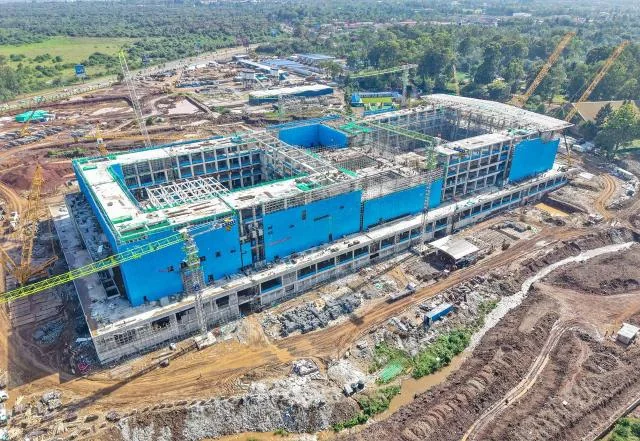
The Rironi Highway project is part of the government's broader road infrastructure expansion programme, while the proposed Lamu refinery has been presented as a major investment intended to strengthen Kenya's petroleum and industrial sectors.
By placing the projects in the same discussion, Sifuna sought to highlight what he considers a pattern of inadequate public disclosure in the management of major government investments.
The senator did not provide specific figures detailing alleged losses or identify particular contractual provisions he believes demonstrate wrongdoing. However, his statement centred on the need for public access to project agreements as a means of strengthening accountability.
The Linda Mwananchi Movement's proposed disclosure commitment would place government procurement and infrastructure contracts at the centre of its transparency agenda.

Under the proposal, members of the public would be able to examine agreements relating to major projects, potentially enabling journalists, civil society organisations and other oversight actors to interrogate the terms under which public investments are undertaken.
Sifuna's position also invokes constitutional principles of transparency and accountability in public administration, as well as the constitutional right of citizens to access information held by the State.
The pledge signals the movement's intention to make public scrutiny of government expenditure a central political issue, particularly as debate over the cost, financing and management of major infrastructure projects continues.
By demanding disclosure of the agreements, Sifuna is positioning transparency as a key test of the government's commitment to responsible management of public resources.