
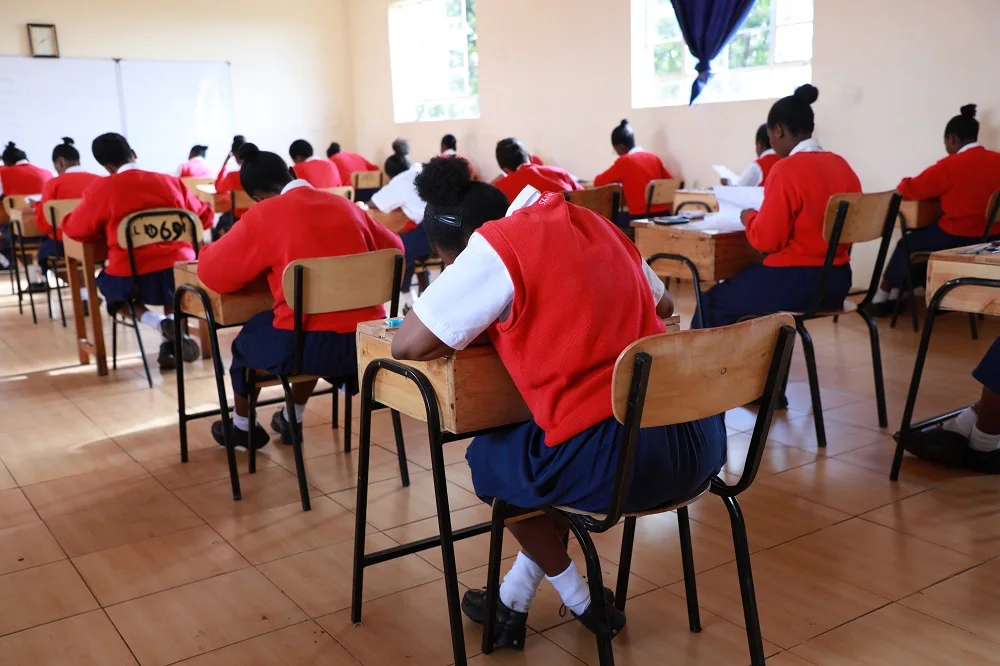
KCSE candidates will begin their final preparations for the 2026 national examinations on Friday, when rehearsals get underway ahead of oral, practical and written papers, even as a dispute between teachers’ union KUPPET and the Kenya National Examinations Council (KNEC) raises concerns over the management of the exercise.
The rehearsals will familiarise candidates with examination procedures, instructions and the rules they must follow before sitting their papers. This year’s Kenya Certificate of Secondary Education (KCSE) examinations will be the second-last under the 8-4-4 education system.
According to the KNEC timetable, oral and practical examinations will begin on Monday, October 19, covering subjects such as French, German, Kenyan Sign Language, music and Arabic. The main written examinations are scheduled to start on November 2 and run until November 20.
However, preparations are taking place against the backdrop of an unresolved disagreement over the pay and working conditions of teachers contracted to manage and mark the national examinations.
KUPPET maintains warning over examination duties
The Kenya Union of Post-Primary Education Teachers (KUPPET) has maintained its directive asking members to stay away from KNEC activities until the council addresses their concerns over examiners’ terms of service.
The union’s position has raised questions about whether the dispute will be resolved before the examination period gathers pace, with its officials warning that the disagreement could affect the administration of national tests.
In a resolution issued after a meeting of its National Governing Council, KUPPET criticised the council’s handling of teachers’ grievances and warned that failure to address them could disrupt examination management.
KUPPET Secretary General Akelo Misori said members had been instructed not to participate in examinations organised by KNEC unless the council gave assurances that their pay and working conditions would improve.
“We are asking our members to sit back and not to participate in any exams conducted by KNEC. And if they don’t give any assurances to improve the examiners’ terms and conditions of service, today we put KNEC on notice and it will not be business as usual in the year 2026. We shall ensure that we paralyse the examination management in the entire year 2026,” KUPPET Secretary General Akelo Misori said.
Pay dispute remains unresolved
The disagreement centres on the compensation and working conditions of teachers hired as examination centre managers, supervisors, invigilators, examiners and other support staff.
The rates paid to these workers are reviewed every four years, with the next review due next year. KUPPET is pushing for better terms, arguing that the current payments do not match the responsibilities teachers take on during national examinations.
On July 7, the National Treasury released Sh1.5 billion to clear outstanding balances owed for the 2025 examination exercise. Two days later, Education Cabinet Secretary Julius Ogamba announced that KNEC had transferred the funds to examiners’ accounts.
The payments came after months of delays that had prompted teachers’ unions to threaten a boycott of the 2026 examinations. However, the settlement of the arrears has not ended the dispute, with KUPPET continuing to demand improved compensation and working conditions.
Misori criticised the rates offered to teachers, saying they did not reflect their professional qualifications or the demands of their examination duties.
“Even construction workers on site who are unskilled are paid at least Sh700 by the end of the day. But you realise that KNEC treats professionals as if they are such a category of workers,” Misori said.
He described the rates as a mockery of the teaching profession, warning that teachers would no longer accept the same terms and later complain about delayed payments and inadequate compensation.
KUPPET Deputy Secretary General Moses Nthurima also warned that the examination process could face difficulties if KNEC failed to address the concerns raised by examiners.
He urged teachers to avoid council activities until the two sides held discussions on better terms.
“We are telling our teachers to refrain from engaging in KNEC activities until they call us and discuss better terms for them,” he said.
Nthurima accused KNEC of subjecting examiners to poor working conditions and paying inadequate rates for marking examination papers.
“For example, you find that a paper is being marked at Sh55. They are giving you a pocket allowance of Sh150, which was being given in 1990,” he said.
He added that examination supervisors received Sh600, while other payments for examination-related duties remained too low compared with the work involved.
As candidates prepare for Friday’s rehearsals and the first oral and practical papers scheduled for the following week, the pay dispute remains unresolved. KNEC faces pressure to engage the union and address its demands as preparations continue for the national examinations.