Government raises development spending by Sh91.8 billion in funding push
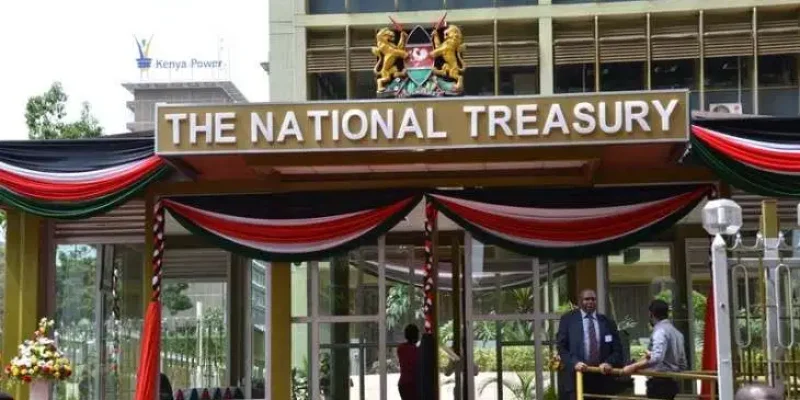
Treasury figures show that ministries, departments and agencies used Sh262.63 billion on development between July and March 2026, up from Sh170.83 billion in the same period the previous year, representing a 53.7 percent rise.
Government spending on development projects has increased by Sh91.8 billion in the first nine months of the current financial year, as the State steps up funding for infrastructure and other capital investments aimed at supporting economic recovery.
Treasury figures show that ministries, departments and agencies used Sh262.63 billion on development between July and March 2026, up from Sh170.83 billion in the same period the previous year, representing a 53.7 percent rise.
The latest figures point to a shift after a period when development spending dropped to its lowest level in more than a decade. That decline had been linked to budget tightening and the diversion of funds to cover recurrent government needs.
The increase reflects renewed efforts to push forward stalled projects and support economic activity, especially at a time when job creation and private sector growth remain key priorities for the State.
It also comes as the country continues to recover from economic pressures brought about by drought, high inflation, and global uncertainty that affected several sectors of the economy.
In the previous financial year, development spending was reduced after the government introduced spending controls to manage rising demands, including security operations and drought-related interventions.
Treasury reports show that unexpected funding requirements led to a shift of resources away from development projects to recurrent expenditure, affecting implementation of capital programmes.
This led to development spending falling below the minimum level required under the Public Finance Management law, raising concerns over reduced investment in long-term growth projects.
The current rise suggests efforts to restore balance, with more funds now being directed to infrastructure and other capital projects expected to stimulate growth.
However, the increase in spending is happening in a tight fiscal environment, with debt obligations continuing to consume a large share of government revenue.
During the review period, debt servicing reached Sh1.36 trillion, taking up 79.5 percent of total tax collections.
Revenue performance has also remained weak, with the Kenya Revenue Authority missing collection targets, forcing the Treasury to depend on borrowing and budget adjustments to bridge gaps.
This has in the past led to delays in funding development projects, with contractors often experiencing late payments that slow down progress on key infrastructure works.


Comments
Sign in with Google to comment, reply, and like comments.
Continue with Google