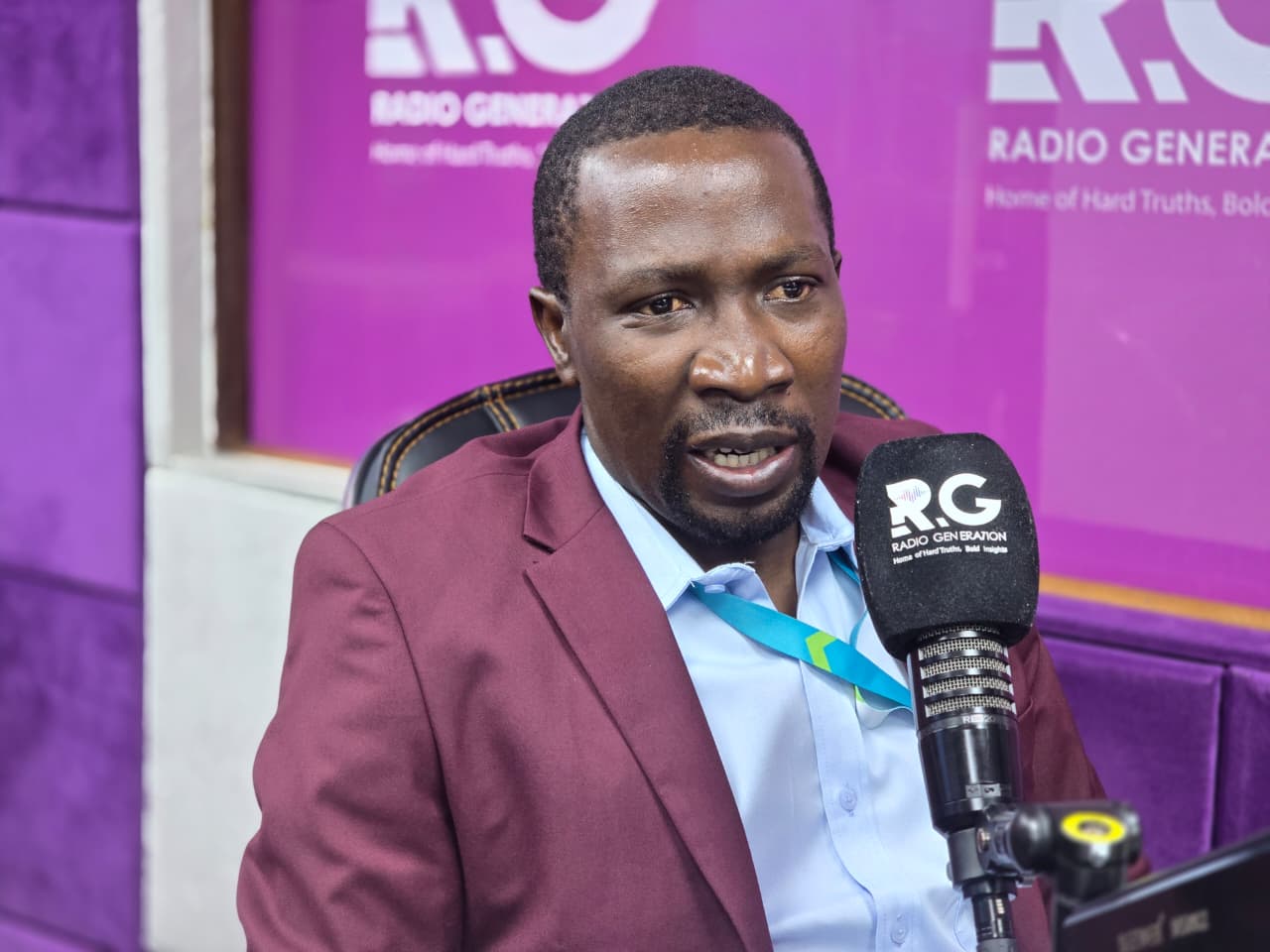
Cancer cases in Kenya may be far more than what is recorded in official figures, with a senior cancer researcher warning that weak reporting systems and low public awareness are hiding the true scale of the disease.
Dr. Victor Oria, a Principal Research Scientist and oncologist at the Victoria Biomedical Research Institute, says hospitals across the country do not share a single unified system, making it difficult to track how many people are affected. Speaking during an interview on Radio Generation on Tuesday, he said the current setup leaves major gaps in national health data.
He explained that cancer starts at the smallest level of the body, where normal cell function breaks down. Under healthy conditions, body cells go through a natural cycle known as Apoptosis, where old cells die and new ones replace them.
Latest Stories
- Ruto pushes back on criticism of joint oil project involving four countries
- Oncologist Victor Oria urges closer public engagement to improve health awareness in Kenya
- Cancer expert warns Kenya relying on foreign data in treatment decisions
- UN warns attacks on National Human Rights Institutions weaken rights protection
- Inside probe: How Consolata Githinji’s first online meeting turned fatal
“When you come down to DNA level, cells have apoptosis. They come, they die… that is a natural order,” he said.
He added that cancer changes this process completely.
“But in the case of cancer cells, that is not what happens… it switches on genes that allow it to survive, so no matter how many times it divides… it still survives.”
Dr. Oria compared the process to a faulty vehicle system to help explain how the disease spreads inside the body.
“You have an accelerator and a brake… what cancer does is turns off the brake and switches on the accelerator… so it will just keep dividing.”
According to him, this uncontrolled growth disrupts the body’s balance, allowing the disease to spread without stopping.
Beyond the science, he raised concern over how cancer information is recorded in the country. He said different hospitals keep their own records without a central system to combine the data.
“You go to one hospital, they have their data… then another hospital… you cannot really say that this is the actual,” he said.
He warned that because of this gap, the real number of cancer cases in Kenya is likely much higher than what is reported.
Dr. Oria also noted that better post-mortem checks could help reveal hidden cancer cases, especially among women, where some deaths are not fully investigated or recorded.
He further pointed to rising cases of cancer among children, saying many people still do not believe young people can get the disease.
“We live in a country where we still believe… children cannot get these chronic diseases,” he said.
He explained that this belief delays diagnosis and treatment, since many parents do not suspect cancer when children show early signs of illness.
This gap in awareness, he added, is also affecting prevention efforts such as vaccination against cervical cancer. He said many people do not take preventive action because they are not fully aware of the risks.
“You’re telling them of a problem they don’t even know exists… that is why vaccine uptake… is really poor,” he said.
Health sector reports show that Kenya continues to face a growing cancer burden. Data from the Kenya Healthcare Federation indicates that the country records about 44,000 to 48,000 new cases every year, with more than 32,000 deaths. Cancer is also listed as the third leading cause of death in the country.
Findings from the National Cancer Institute Kenya show that the most common cancers include breast, cervical, prostate, oesophageal, and colorectal cancers. The report also shows that about 67 per cent of patients die after diagnosis, mainly because many cases are found late.
The Sollay Kenyan Foundation notes that a large number of cases could be prevented through early screening, lifestyle changes, and vaccination programmes such as the HPV vaccine.
Dr. Oria’s remarks add to growing concern among health experts that Kenya’s cancer burden may be higher than official figures show, with late diagnosis and weak awareness continuing to affect survival rates.


Comments
Sign in with Google to comment, reply, and like comments.
Continue with Google