Ruto pushes back on criticism of joint oil project involving four countries
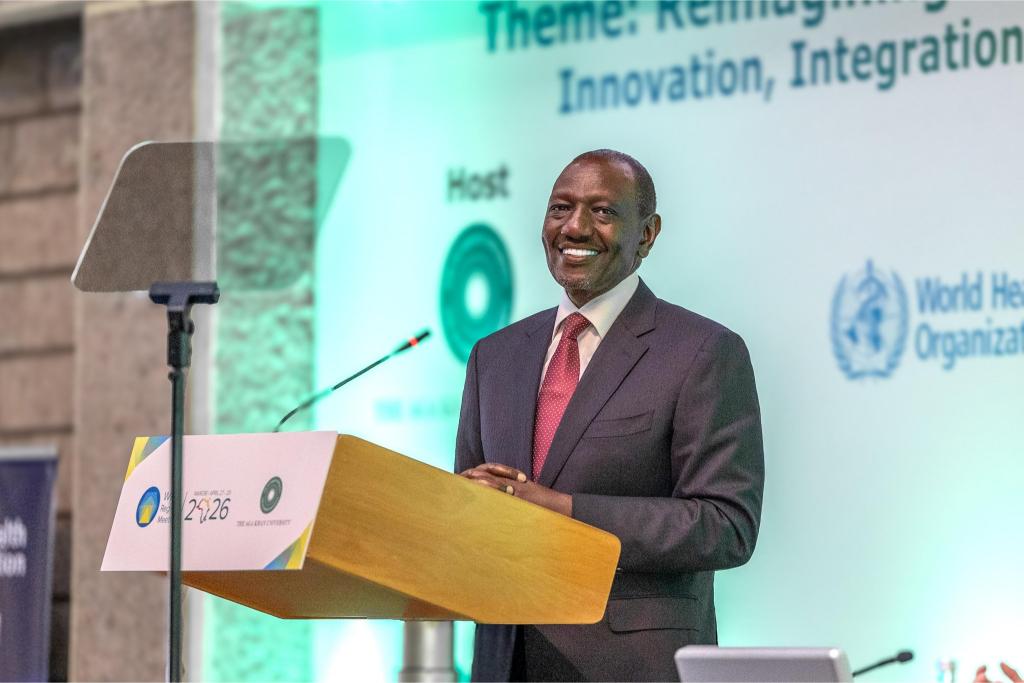
Ruto called for a shift in how regional development is discussed, urging leaders and citizens to adopt a more confident outlook on Africa’s economic direction.
East Africa’s plan to deepen shared industrial projects took centre stage on Tuesday after Kenya’s President William Ruto pushed back against criticism of regional cooperation, saying joint infrastructure efforts should be seen as progress rather than a problem.
Speaking at a mining summit, William Ruto rejected media framing that described the proposed regional oil refinery as a burden, insisting that Kenya, Uganda, Tanzania and South Sudan are working toward a common goal that benefits all sides.
“When you read the headline of one of the dailies, it says ‘Uganda’s headache’ there was no headache. How does three countries coming together to build infrastructure be a headache?… ?” he posed.
He explained that discussions among the four countries are focused on combining resources and technical capacity to establish a shared refinery that would serve the wider region.
“We are going to do this together. We will harness the synergies of Tanzania, Uganda, Kenya and South Sudan so that we have one big refinery here. That is the benefit of coming together,” he said.
Ruto called for a shift in how regional development is discussed, urging leaders and citizens to adopt a more confident outlook on Africa’s economic direction.
“I want to persuade us to believe in ourselves and our continent. Let us believe in our country and let us talk about it positively so that we can harness the full potential of who we are,” he said.
He also emphasized the need for East African countries to process their own natural resources locally instead of exporting them for refining abroad.
“The oil resources that we have in East Africa cannot be exported to be refined elsewhere. We want to use our own,” he said.
Looking ahead, he urged long-term coordination among the partner states, saying regional planning should extend into future decades as part of a shared development vision.
“I persuade you to focus as a region to help us liberate ourselves, as we stretch our imagination to 2050,” he added.


Comments
Sign in with Google to comment, reply, and like comments.
Continue with Google