UAE rejects Netanyahu claim of wartime meeting amid Iran conflict tensions
The UAE foreign ministry rejected the claims, saying they were “entirely unfounded” and stressing that relations with Israel are conducted through official and recognised diplomatic channels.
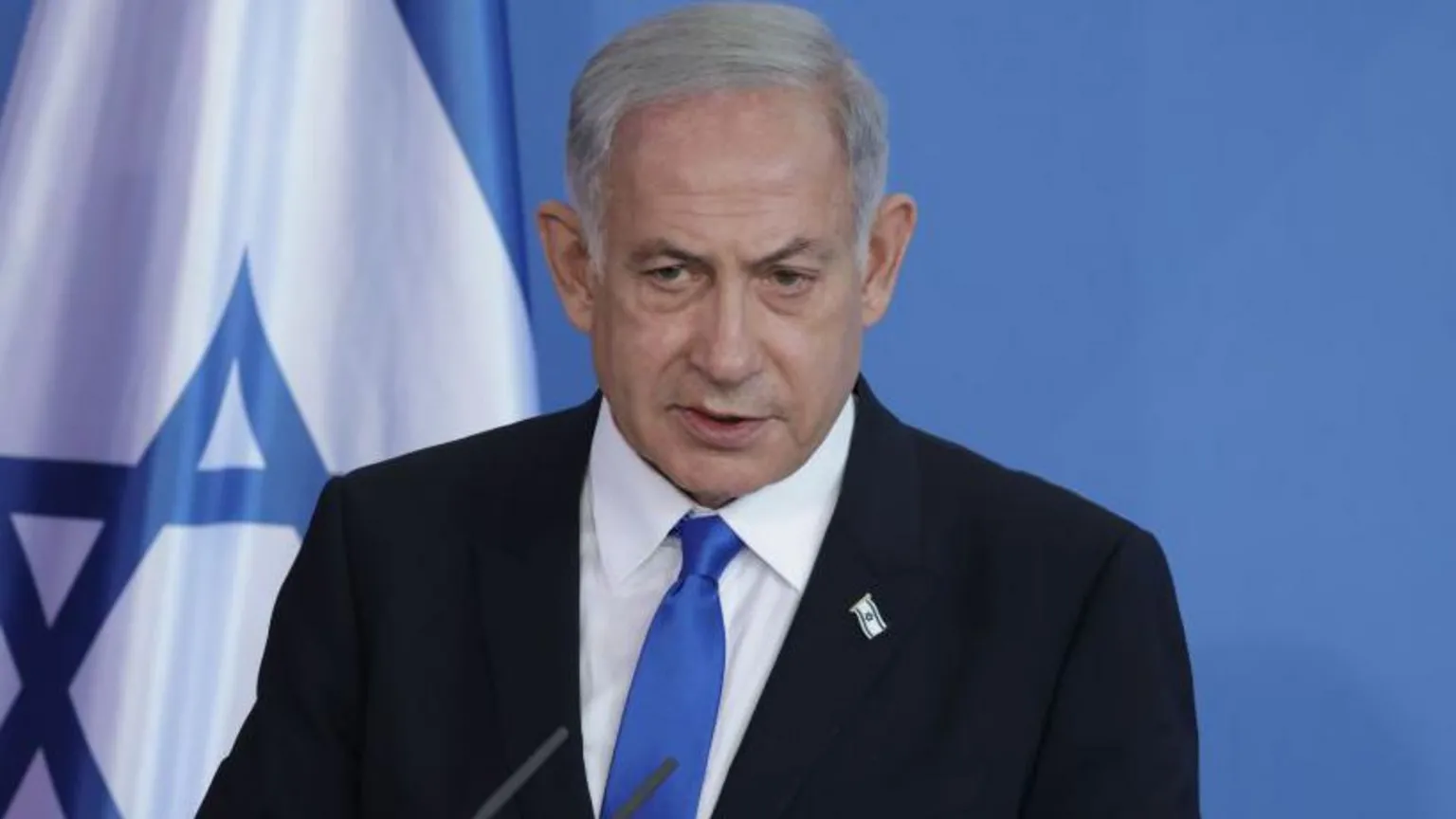
UAE has denied claims by Israeli Prime Minister Benjamin Netanyahu that he secretly visited the country and met its leadership during the war with Iran, saying no such visit or unofficial arrangement ever took place.
Netanyahu’s office said the Israeli leader travelled covertly to the United Arab Emirates and held talks with President Sheikh Mohammed bin Zayed, describing the meeting as one that produced a “historic breakthrough”. However, the statement did not provide details on timing or independently verified outcomes.
The UAE foreign ministry rejected the claims, saying they were “entirely unfounded” and stressing that relations with Israel are conducted through official and recognised diplomatic channels. It added that engagement between the two countries is not based on “non-transparent or unofficial arrangements”.
The ministry further said, “The UAE reaffirms that its relations with Israel are public and conducted within the framework of the well-known and officially declared Abraham Accords, and are not based on non-transparent or unofficial arrangements.”
Iran reacted strongly to Netanyahu’s remarks, with Foreign Minister Abbas Araghchi saying the statement confirmed long-held suspicions in Tehran. He said Netanyahu had “publicly revealed what Iran's security services long ago” told the country's leaders. Araghchi also warned that such cooperation is “unforgivable” and that those involved “will be held to account”.
The dispute comes at a time of heightened tension in the Gulf region, where Iran has repeatedly accused countries such as the UAE of drawing closer to Israel and the United States. The UAE has rejected such claims, insisting its foreign policy is focused on diplomacy and regional stability.
During the conflict period, Iran launched missile and drone attacks targeting Emirati territory. UAE defence authorities said their systems intercepted several threats and reported that hundreds of missiles and thousands of drones were engaged during the escalation.
Military cooperation has also become more visible. US ambassador to Israel Mike Huckabee said Israel deployed Iron Dome air defence systems to help the UAE counter Iranian attacks. He described the cooperation as part of an “extraordinary relationship between the UAE and Israel” under the Abraham Accords framework.
The Iron Dome system is designed to intercept incoming rockets, missiles, and drones before they reach their targets.
There have also been reports suggesting that the UAE carried out limited strikes on Iranian targets during the conflict, including an alleged attack on an oil facility on Lavan Island, although these claims have not been confirmed by Emirati authorities.
Despite rising tensions, Emirati presidential adviser Anwar Gargash said the UAE remains committed to diplomacy. He said the country did not seek the conflict and has worked to avoid escalation, while maintaining the right to defend itself. He added that Arab-Iran relations in the Gulf “cannot be built on confrontations and conflicts”.
The wider conflict has also affected global energy routes, especially the Strait of Hormuz, where disruptions have influenced oil prices. The United States has maintained pressure measures on Iranian ports, while Iran has responded with counter-conditions for any ceasefire deal.
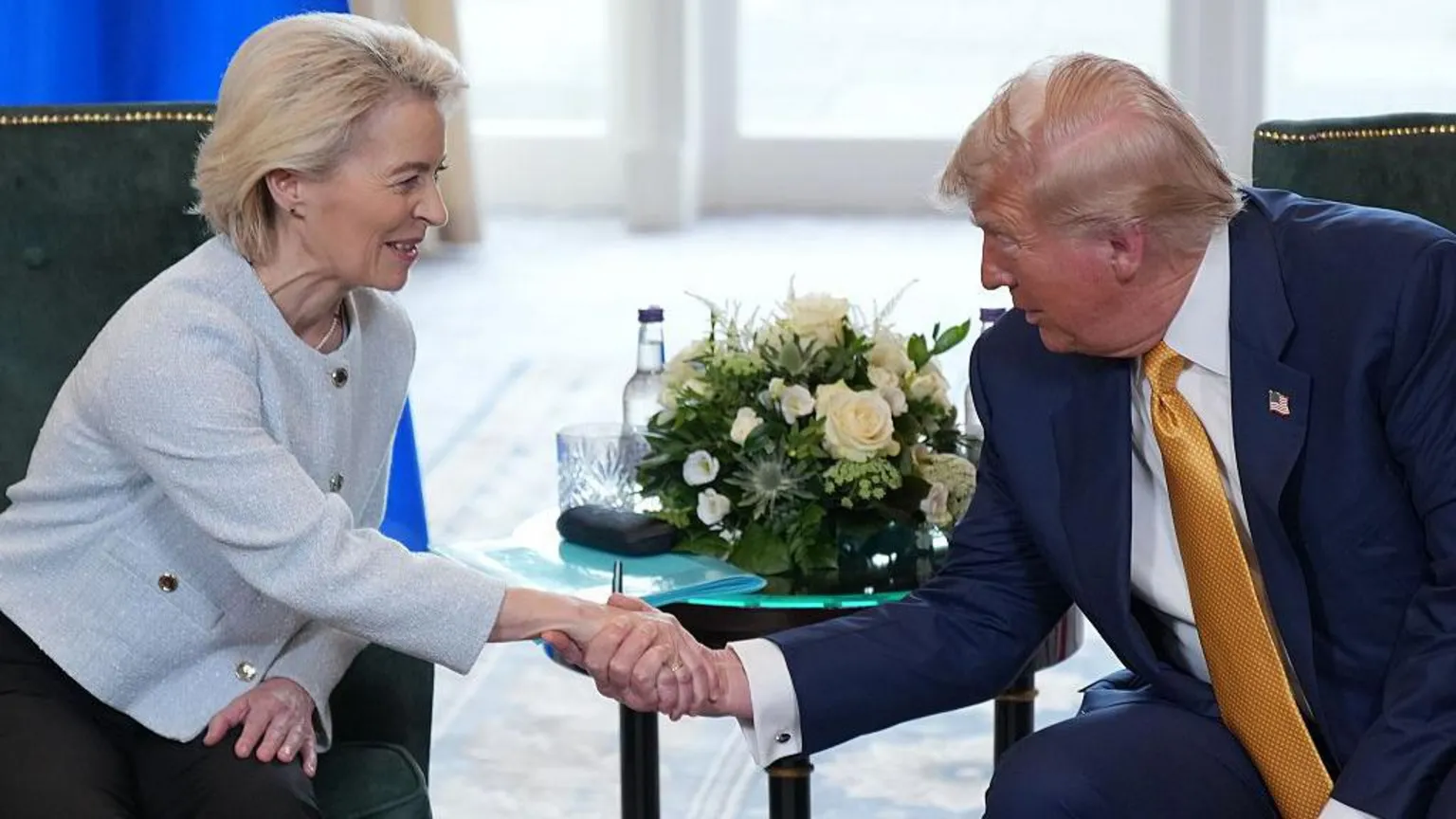
Iran’s proposals to end hostilities and reopen the Strait of Hormuz were rejected by former US President Donald Trump, who called them “totally unacceptable” and a “piece of garbage”, later saying the ceasefire situation was “on massive life support”.
Iranian parliamentary speaker Mohammad Ghalibaf also warned that Iran’s armed forces were “ready to respond and to teach a lesson for any aggression”.



Comments
Sign in with Google to comment, reply, and like comments.
Continue with Google