CS Kagwe defends 0.8% tea export levy, says Kenya must push reforms to stay competitive
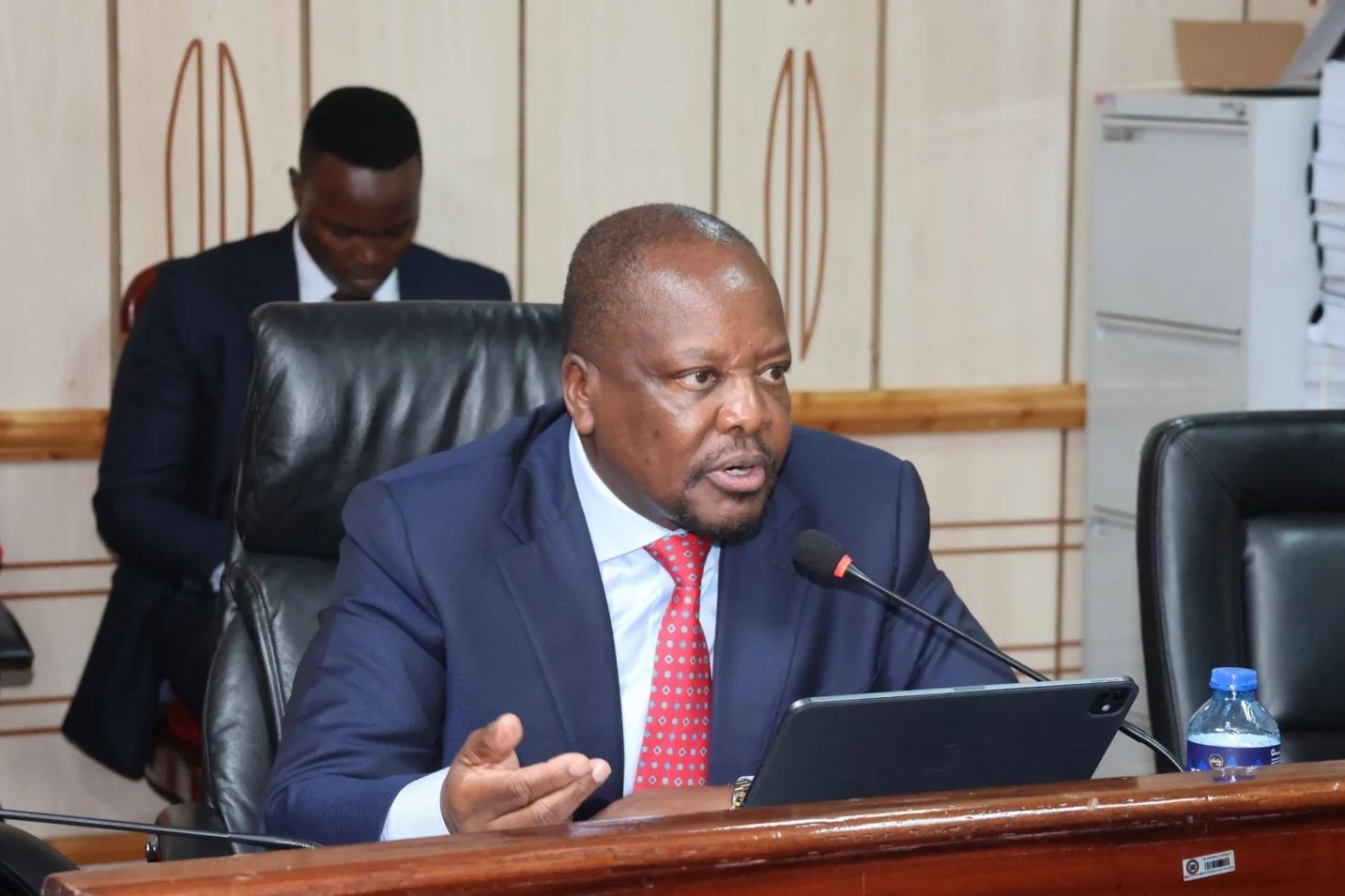
Appearing before the Parliament of Kenya Departmental Committee on Agriculture and Livestock during discussions on the ministry’s Sh79.06 billion 2026/27 budget estimates on Tuesday, Kagwe said the levy would fund modernization and position Kenyan tea as a premium global product.
Agriculture Cabinet Secretary Mutahi Kagwe has defended the proposed 0.8% tea export levy, telling MPs that Kenya must push ahead with reforms aimed at boosting global marketing, branding, and value addition for Kenyan tea.
Appearing before the Parliament of Kenya Departmental Committee on Agriculture and Livestock during scrutiny of the ministry’s Sh79.06 billion 2026/27 budget estimates on Tuesday, Kagwe said the levy will fund long-term modernization and strengthen Kenya’s position in global tea markets.
He said the charge is meant to provide stable funding for marketing and modernization, insisting the sector needs sustained investment to remain competitive internationally.
“Going back would be a huge mistake. All countries that trade seriously in tea charge levies to develop their markets,” he told MPs, as some legislators raised concerns over the impact on farmers and exporters.
Kagwe added that “the levy is meant to create sustainable funding for marketing, modernization and promoting Kenyan tea as a premium product internationally.”
He warned that rolling back the reforms would weaken Kenya’s competitiveness, arguing that other producing countries continue to invest heavily in branding and market development.
He also pushed for broader structural changes in the sector, including direct tea sales and use of geographical indicators to stop Kenyan tea from being blended and rebranded abroad without recognition. He said this would protect the country’s tea identity and improve farmer earnings.
Beyond tea reforms, MPs also reviewed wider agriculture spending proposals covering fertilizer subsidies, irrigation expansion, livestock transformation, and climate-smart agriculture under the Bottom-Up Economic Transformation Agenda.
Principal Secretary for Agriculture Kipronoh Ronoh told the committee that both recurrent and development budgets had shifted from approved ceilings due to changes in priorities and implementation needs.
He said development expenditure had risen by Sh7.3 billion, while recurrent spending had slightly dropped.
Lawmakers raised concerns over slow project delivery, pending bills of Sh10.173 billion, and governance gaps in subsidy programmes, including allegations of fertiliser diversion across borders.
The Committee Chairperson warned that such issues could undermine accountability and long-term agricultural investment goals.
Despite the scrutiny, Kagwe maintained that the tea levy and wider reforms are key to strengthening Kenya’s agricultural value chains and securing the sector’s future through stronger marketing, modernization, and premium branding.




Comments
Sign in with Google to comment, reply, and like comments.
Continue with Google