Ghana evacuates 300 citizens from South Africa after renewed xenophobic attacks
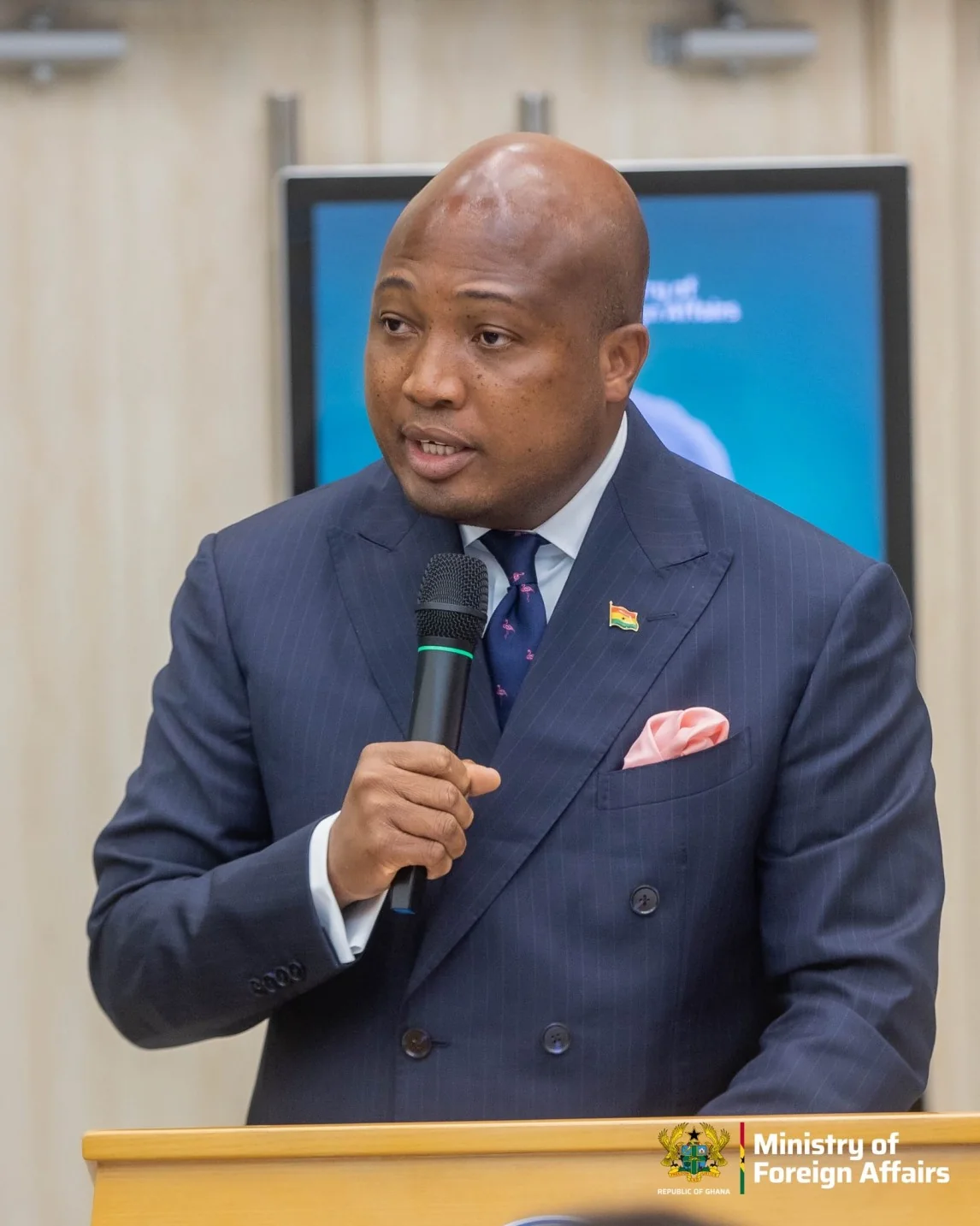
Ghana’s appeal, signed by Ablakwa, also proposed coordinated action, including a fact-finding mission, stronger monitoring systems and structured dialogue with South African authorities.
Ghana has approved the immediate evacuation of 300 of its citizens from South Africa following renewed xenophobic attacks targeting foreign nationals, with authorities moving to secure those already registered at the Ghana High Commission in Pretoria.
The decision was announced in a statement on X by Foreign Affairs Minister Samuel Okudzeto Ablakwa, who said President John Mahama had granted approval for the emergency evacuation. He said the affected citizens had already complied with an official advisory to seek assistance and were listed for rescue after the latest wave of violence.
“These distressed Ghanaians had earlier complied with the Foreign Ministry’s advisory and registered with our High Commission in Pretoria to be rescued following the latest wave of xenophobic attacks,” the statement read.
The government also reaffirmed its commitment to citizens living abroad, saying, “The Government of Ghana shall continue to safeguard the welfare of all Ghanaians home and abroad.”
At the same time, Ghana has stepped up diplomatic engagement on the issue, calling on the African Union to address what it describes as repeated attacks on African migrants in South Africa.
In a formal letter dated 6 May 2026, Ghana urged that the matter be placed on the agenda of the upcoming mid-year coordination meeting in Egypt, warning that the situation poses a risk to continental unity.
The Foreign Ministry said it was “deeply concerned by the recurrence of xenophobic incidents in the Republic of South Africa, which have regrettably resulted in the loss of lives, destruction of investment and continue to pose serious risk to the safety and wellbeing of many African nationals residing in South Africa.”
It added that such incidents were not isolated, noting that “manifestations of xenophobia, including violent attacks against fellow Africans, have persisted in recent years.”
Ghana’s appeal, signed by Ablakwa, also proposed coordinated action, including a fact-finding mission, stronger monitoring systems and structured dialogue with South African authorities.
The ministry further argued that the violence undermines integration efforts under the African Continental Free Trade Area and violates the “African Charter on Human and Peoples’ Rights.”
South African President Cyril Ramaphosa condemned the attacks, saying “lawlessness will not be tolerated” and insisting that the violence does not reflect the country’s values.
However, he also defended stricter immigration enforcement, saying undocumented migration was placing pressure on public services and fuelling tensions in poor communities.
“The recent violent protests and criminal acts directed at foreign nationals in parts of our country do not represent the views of South Africa’s people nor reflect our government’s policy,” Ramaphosa said, while warning against “opportunists” exploiting social grievances.
South Africa remains one of the continent’s largest migrant destinations, with more than 8 million arrivals from across Africa in 2025, reflecting both its economic attraction and ongoing tensions over migration.
The latest evacuation by Ghana comes as other African states also raise concerns, with growing calls for a coordinated continental response to rising xenophobic attacks affecting migrant communities across South Africa.



Comments
Sign in with Google to comment, reply, and like comments.
Continue with Google