Parliament urged to act on Haemophilia treatment challenges
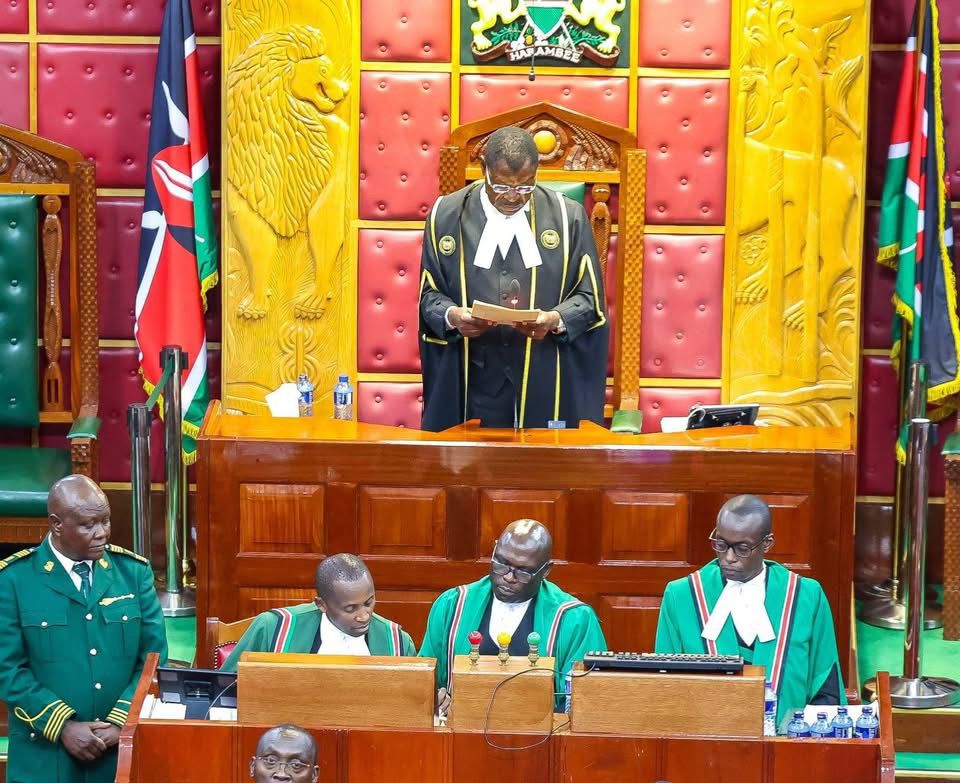
National Assembly Speaker Moses Wetang’ula notified legislators that the petition was filed by James Kago, Treasurer of the Haemophilia Association of Kenya.
Members of Parliament have been asked to step in and address the growing burden faced by people living with haemophilia and other bleeding disorders, after a petition highlighted the high cost of specialised treatment and the difficulties families face in accessing consistent medical care.
The appeal, presented to the National Assembly on Thursday, seeks urgent policy and healthcare changes to improve the management of haemophilia in Kenya, particularly for children who require continuous treatment and monitoring.
National Assembly Speaker Moses Wetang’ula notified legislators that the petition was filed by James Kago, Treasurer of the Haemophilia Association of Kenya. The document asks Parliament to intervene and help resolve the challenges affecting both children and adults diagnosed with haemophilia and other bleeding conditions.
“Honourable Members, the Petition concerns the case of children and adults living with haemophilia who experience frequent, unpredictable and sometimes life-threatening bleeding episodes, which significantly diminish their quality of life and may result in disabling joint disease (arthropathy), chronic pain, missed school or work, and reduced life expectancy,” reads the petition.
Kago stated that access to proper healthcare is a right guaranteed under Article 43(1)(a) of the Constitution, which affirms that every person, including children, is entitled to the highest attainable standard of health and access to medical services.
The petition explains that managing haemophilia requires specialised medical treatment, including preventive care known as prophylaxis, which is expensive and not easily accessible to many patients. This has left numerous families struggling to cope with the physical, emotional and financial demands linked to the condition.
Haemophilia is estimated to affect one person in every 10,000. In Kenya, about 4,500 individuals are believed to be living with the disorder, yet only around 1,265 patients have been officially identified and recorded.
Kago said this difference points to the need for national screening programmes, early detection and outreach activities aimed at identifying more patients, especially children who may still be undiagnosed.
The petitioner also raised concern about the absence of a reliable and complete data system for haemophilia and similar disorders in the country. To address this gap, the petition proposes the creation of a national patient registry that would collect accurate information on those affected, including diagnosis and treatment details, to support better planning of healthcare services.
Another issue raised relates to the supply of clotting factor concentrates used to control bleeding episodes among patients. According to the petition, current donations provide only about 30 per cent of the factor levels required by the 1,265 diagnosed patients.
Due to the shortage, some families have had to depend on blood-derived products that require hospital admission and may expose patients to additional risks.
The petition further warns that the donation programme currently supporting haemophilia treatment has a deficit of about 70 per cent and may come to an end within the next two years. Such a development could trigger a serious treatment crisis for patients who rely on regular preventive therapy.
Endebes MP Robert Pukose expressed concern that Kenya continues to depend on donor-funded supplies for haemophilia treatment, noting that the clotting factor concentrates are neither produced locally nor financed through a stable government programme.
“What the petitioners are telling us is that the factor concentrates used to treat haemophilia are funded by donors. As a government, we must allocate resources to ensure we protect our haemophilia patients,” Pukose said.
Kitui South MP Rachael Nyamai also supported the call for increased investment in healthcare, saying the government must commit adequate resources not only for haemophilia but also for other illnesses affecting the population.
“On the matter of funding our health sector, Honourable Speaker, we must allocate adequate resources not only for haemophilia but also for diseases such as dengue fever and other rare conditions that affect Kenyans.”
The petition has since been forwarded to the Departmental Committee on Health, which will examine the concerns raised before presenting its findings and recommendations to the National Assembly.




Comments
Sign in with Google to comment, reply, and like comments.
Continue with Google