Kenya review clears malaria vaccine after 1,623 reported adverse events
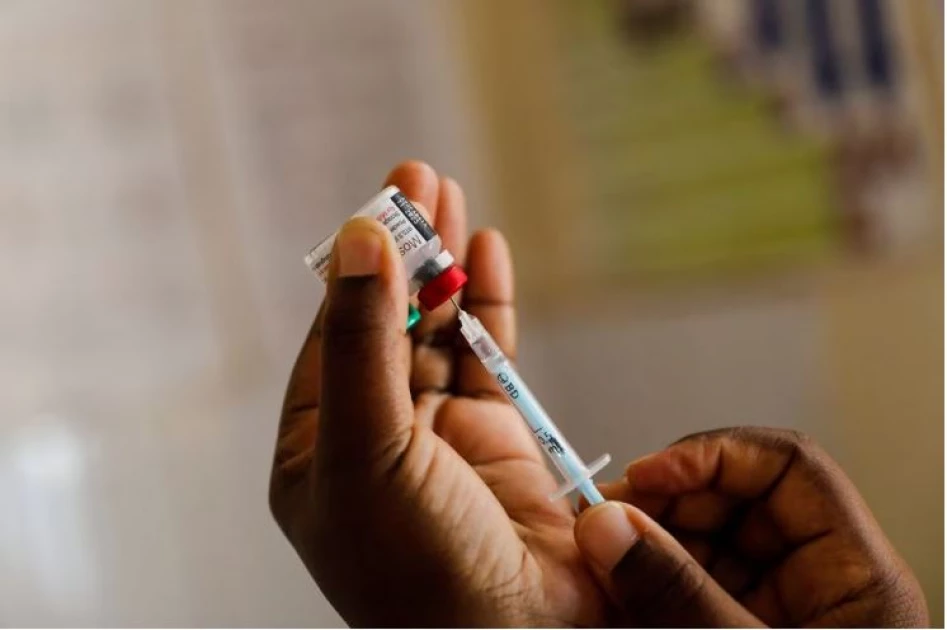
A total of 1,623 adverse events were recorded between 2019 and 2023 during the pilot phase of the RTS,S malaria vaccine. These cases were carefully reviewed by the Pharmacy and Poisons Board and the National Vaccines and Immunization Programme, working alongside the Kenya Medical Research Institute.
Kenya’s rollout of the malaria vaccine has come under close scrutiny after thousands of reported medical events, but new findings now show that the concerns raised are not linked to the jab itself, easing fears about its use among children.
A total of 1,623 adverse events were recorded between 2019 and 2023 during the pilot phase of the RTS,S malaria vaccine. These cases were carefully reviewed by the Pharmacy and Poisons Board and the National Vaccines and Immunization Programme, working alongside the Kenya Medical Research Institute.
The assessment team concluded that the vaccine did not cause any of the reported cases, including those that involved serious illness or death.
“Causality assessment of serious Adverse Event Following Immunization (AEFI) by national expert advisory committees did not reveal any new safety concerns associated with the RTS,S/AS01E vaccine or confirm the safety signals observed in the Phase 3 clinical trials,” they said.
The review team featured Dr Fred Siyoi, Dr Rose Jalang’o, Martha Mandale, Anthony Toroitich, Christabel Khaemba and Pamela Nambwa.
Their conclusions are part of a wider report that also includes findings from Ghana and Malawi, the other countries where the vaccine was piloted. The report was published in the Malaria journal this week.
The vaccine was first introduced in Kenya in September 2019 in selected areas of western Kenya under a programme coordinated by the World Health Organization. By the time the study was carried out, children in Kenya had received 1,818,572 doses.
Health experts note that the findings are important because they reflect how the vaccine performs outside controlled research settings, in everyday health systems where conditions vary widely.
Earlier Phase 3 clinical trials had pointed to possible safety concerns, including links to meningitis, cerebral malaria, and variations in death rates between boys and girls. These issues were treated as signals that needed further monitoring.
However, the latest report shows that such concerns did not appear during routine use of the vaccine in Kenya and the other pilot countries.
The study, titled “Safety monitoring of the RTS,S/AS01E malaria vaccine: Experiences and lessons from routine pharmacovigilance in Ghana, Kenya and Malawi,” focused on tracking the vaccine’s safety as it was administered to children over time.
Researchers continued to observe the vaccine’s effects during the rollout to determine whether any of the earlier concerns would emerge again or if new ones would be identified.
“Given the scale of the rollout, which far exceeded the controlled environment of clinical trials, establishing a robust pharmacovigilance system to monitor rare but potentially serious adverse events following immunisation was a critical component of the programme’s design,” they said.
Adverse events following immunisation refer to any health issues that arise after a vaccine is given. These can range from mild reactions such as fever or soreness at the injection site to more serious medical conditions that may require treatment in hospital.
The findings show that although some children experienced health problems after receiving the vaccine, investigations established that these were caused by other illnesses and not the malaria jab.




Comments
Sign in with Google to comment, reply, and like comments.
Continue with Google