Lobby group warns against normalising humiliation of children online and in public
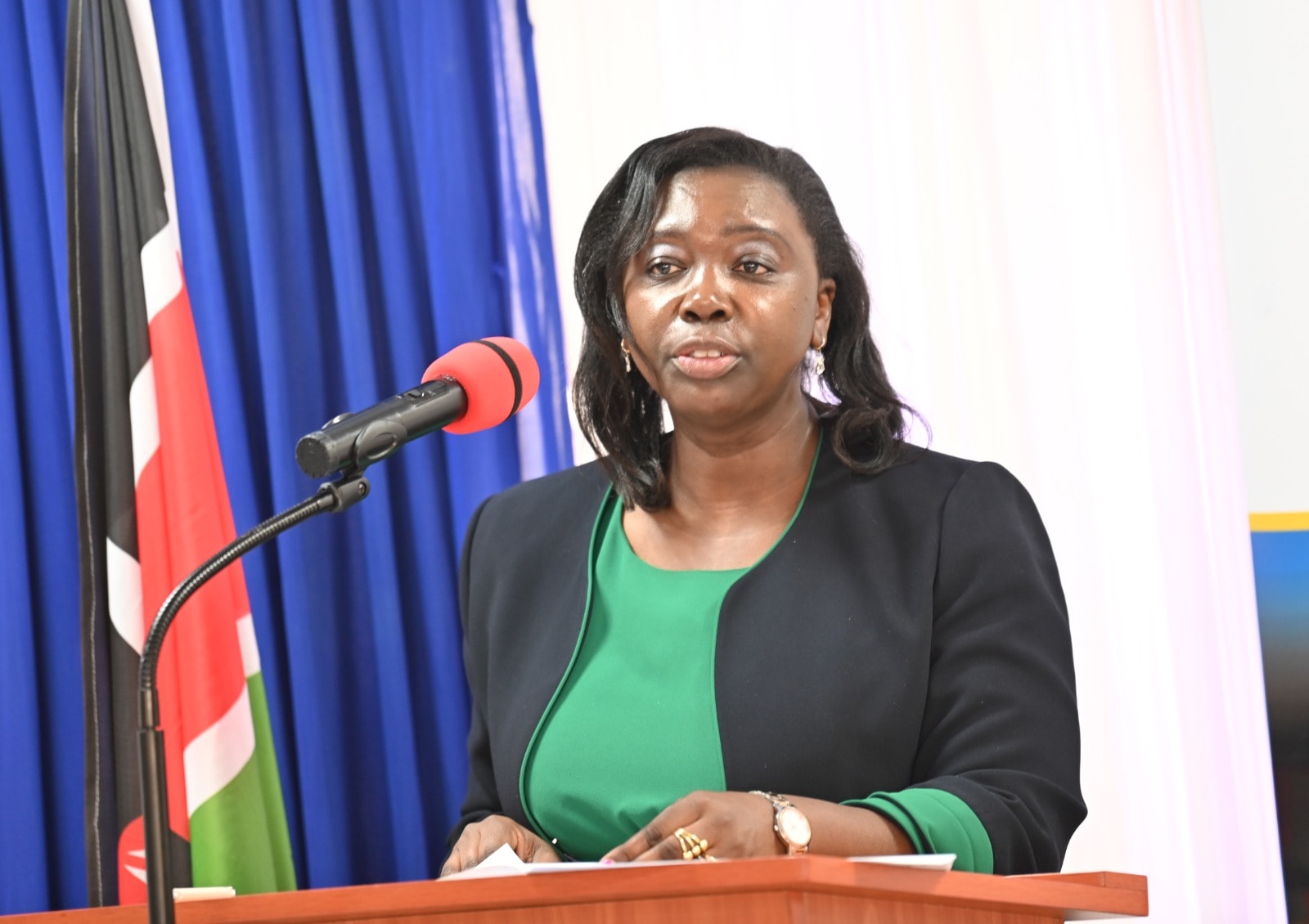
The rights group warned that such conduct may discourage young girls from taking part in leadership spaces, civic engagement, and learning opportunities, as it creates the impression that public environments are unsafe or unwelcoming.
Concerns are mounting over the treatment of minors in public spaces and on digital platforms after the Federation of Women Lawyers in Kenya raised alarm over what it terms increasing cases of humiliation and exposure of children in Parliament and online spaces, warning that such actions are eroding child protection standards and dignity.
In a statement issued on Saturday in Nairobi, FIDA-Kenya said recent incidents involving a school-going child engaged in a voluntary service programme at Parliament, alongside circulation of online material featuring underage girls, reflect a worrying trend that threatens the safety and dignity of children.
The organisation said the pattern points to a growing normalisation of behaviour that undermines children, especially girls, in public life and exposes them to emotional harm and public ridicule.
“FIDA-Kenya strongly condemns the growing acceptance of language and behaviour that humiliates or belittles girls in public," the organisation said.
"These remarks not only harm the dignity and emotional well-being of the child involved, but also send a harmful message to young girls across the country."
The rights group warned that such conduct may discourage young girls from taking part in leadership spaces, civic engagement, and learning opportunities, as it creates the impression that public environments are unsafe or unwelcoming.
It further stressed that Parliament and other public institutions have a constitutional duty to protect dignity, uphold respect, and ensure safe participation for all, especially children.
“The comments made in Parliament were inappropriate, demeaning, and did not meet the constitutional duty of leaders to uphold dignity, integrity, respect, and protect children,” the statement added.
FIDA-Kenya also raised concern over increased sharing of minors’ content on social media platforms, noting that some of it identifies or exposes children in ways that violate their privacy and emotional well-being.
It said even when such content is shared in the name of public discussion, it often ignores child protection principles and ethical safeguards meant to protect minors.
“Children should never be used for sensationalism, ridicule, or public entertainment,” the organisation said.
The lobby group called on political leaders, public officials, media practitioners, and digital creators to follow child protection laws and ethical standards when discussing or sharing content involving minors.
It also urged an immediate stop to content that directly or indirectly exposes children and called for stronger enforcement of existing child protection laws.
FIDA-Kenya further recommended training for public officers on child protection, gender sensitivity, ethical leadership, and prevention of harassment in public spaces.
It also appealed to media houses, bloggers, and social media platforms to adopt responsible and trauma-aware reporting when covering issues involving children.
The organisation stressed that protecting children’s dignity must remain a priority in both physical and digital spaces.
“The dignity and safety of children must always come first and cannot be compromised,” the statement concluded.



Comments
Sign in with Google to comment, reply, and like comments.
Continue with Google