
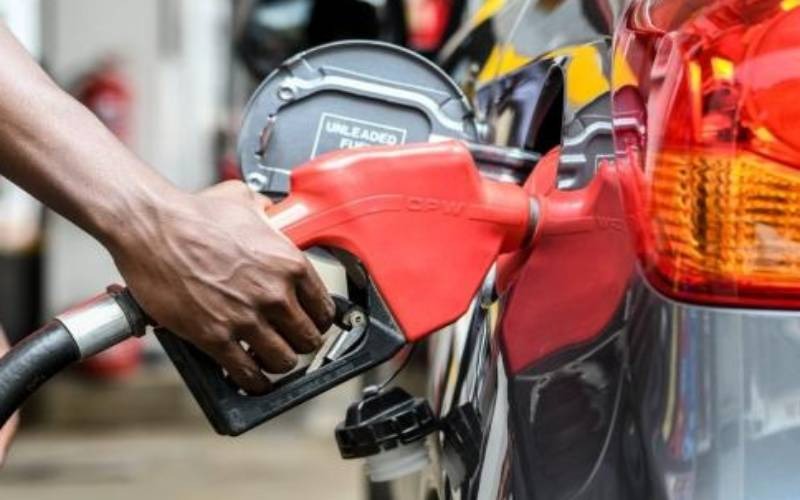
Kenya is preparing to receive large consignments of petrol and diesel at the Port of Mombasa, offering a potential boost to local fuel supplies as international oil prices surge and growing insecurity in the Middle East threatens shipments through key maritime routes. At least seven merchant vessels are listed in the latest Kenya Ports Authority (KPA) shipping schedule, with the arrivals coming as motorists grapple with higher pump prices and concerns mount over the impact of the global energy crisis on the cost of living.
The scheduled deliveries include substantial volumes of petrol and diesel, alongside base oil and palm oil, with several petroleum cargoes expected to be discharged at the Kipevu Oil Terminal II.
The incoming shipments come amid mounting uncertainty in international energy markets, where attacks on infrastructure and shipping routes have raised fears of further disruptions to supplies and increased the cost of moving petroleum products between countries.
Earlier this week, the chief executive of the Energy and Petroleum Regulatory Authority (EPRA) told Parliament that a cargo destined for Kenya had been attacked by a drone. The disclosure highlighted the risks facing fuel shipments as the conflict in the Middle East continues to threaten the movement of energy products.
The incident comes at a difficult time for Kenyan consumers, following EPRA's latest monthly fuel-price review, which raised the maximum retail prices of petrol, diesel and kerosene
One of the vessels on the shipping schedule is the M.T. Bellatrix, which is carrying more than 21,000 tonnes of Shell V-Power petrol for delivery at the Shimanzi Oil Terminal.
The consignment is intended for Vivo Energy Kenya, the exclusive importer and distributor of Shell-branded premium fuel in the country.
Vivo Energy has a network of more than 350 service stations across Kenya. The company also relies on Kenya Railways Corporation's rail tankers to transport the product from Mombasa to Nairobi.
Other significant consignments are expected aboard the M.T. Torm Sublime and the M.T. Maria, which are carrying 85,000 tonnes and 40,000 tonnes of diesel, respectively. Both vessels are scheduled to unload at Kipevu Oil Terminal II.
The same terminal is also expected to receive the M.T. Pis Rinjani, carrying 85,000 tonnes of petrol.
Another vessel, the M.T. Bow Lynx, is transporting 4,900 tonnes of base oil, a product used in the manufacture of lubricants.
Combined, the four main petroleum-product shipments account for at least 231,000 tonnes of petrol and diesel, without including the additional base oil cargo.
The KPA schedule also lists two vessels carrying palm oil. The M.T. Arctic Tern and Melati 3 are both expected to call at the port as part of the planned arrivals.
The shipments come as concerns over the security of international supply routes continue to grow, putting pressure on energy markets and raising questions about the cost and reliability of future deliveries.
Middle East tensions push oil prices higher
International oil markets have come under renewed pressure as attacks linked to the Middle East conflict raise the risk of interruptions to crude oil shipments.
Brent crude climbed to $111.24 per barrel on Thursday, reaching its highest level in five months after attacks by Yemen's Iran-aligned Houthis heightened fears of disruption along the Bab el-Mandeb shipping route.
The waterway is strategically important to maritime trade, and concerns over the safety of vessels passing through the region have added to uncertainty surrounding global energy supplies.
The International Energy Agency (IEA), in its October Oil Market Report, said renewed hostilities had weakened the recovery of oil supplies from the Middle East.
Brent futures had risen by 13 per cent since the beginning of September to around $107 per barrel, while the North Sea Dated physical benchmark had reached $134 per barrel.
The agency also warned that diesel markets were facing severe supply pressure as disruptions to exports from the Middle East and Russia reduced the volume available ahead of winter in the Northern Hemisphere.
In September, global diesel exports were about 700,000 barrels per day below the level recorded a year earlier. Combined net exports from the Middle East and Russia also fell by more than 60 per cent year-on-year.
The decline in available supplies comes as European households and businesses prepare for winter, a period when demand for heating-related energy typically increases.
According to the IEA, falling inventories and seasonal demand are tightening diesel markets, with supply difficulties potentially lasting into 2027.
These developments have raised concerns that competition for available fuel could intensify, particularly if shipping disruptions persist and exporters struggle to restore normal deliveries.
The effects of the conflict have also spread to natural gas markets, adding another source of pressure to the global energy outlook.
The IEA's gas-market assessment found that the conflict had disrupted liquefied natural gas (LNG) shipments through the Strait of Hormuz, a route that had accounted for almost one-fifth of global LNG supply.
The disruption sent European and Asian gas prices to their highest levels since the 2022–2023 energy crisis.
The developments show how insecurity around major shipping corridors can affect several energy markets at once, with interruptions to supplies contributing to higher prices and uncertainty among importing countries.
For Kenya, the increase in international oil prices has already translated into higher costs for consumers at the pump, with possible knock-on effects across the economy.
Higher pump prices add to cost-of-living concerns
EPRA's latest monthly review raised Nairobi's maximum petrol price by Sh12.93 per litre to Sh226.96.
Diesel increased by Sh9.90 per litre to Sh227.76, while kerosene recorded a rise of Sh28.49 per litre to reach Sh219.87.
The increases are expected to add pressure to businesses that depend on fuel to move goods, transport passengers and run machinery.
Higher transport and logistics expenses can also feed into the prices of food and other essential goods, while manufacturers face additional costs when producing and distributing their products.
The pressure comes at a time when international oil markets are dealing with reduced diesel exports, uncertainty over Middle Eastern supplies and concerns about the security of maritime trade.
The incoming vessels at Mombasa are expected to replenish local supplies with substantial quantities of petrol and diesel, although their arrival does not remove the wider risks posed by rising global prices and possible disruptions to future shipments.
With international crude oil benchmarks climbing and fuel prices already elevated in Kenya, developments in the Middle East and the availability of petroleum products on the global market remain key factors shaping the country's energy outlook.