
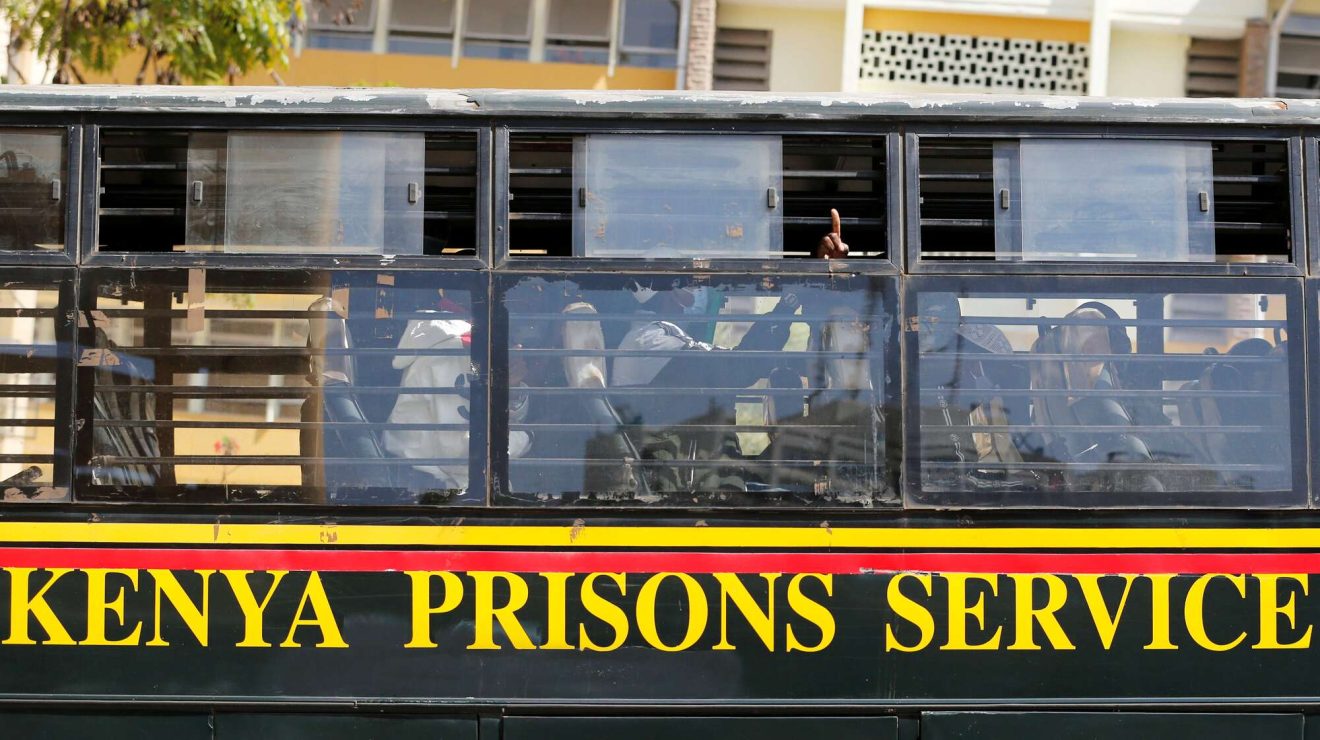
The Kenya Prisons Service has been challenged to correct ethnic disparities in its 33,427-member workforce and increase the employment of persons living with disabilities to meet constitutional requirements on fair representation in public institutions.
The National Assembly Committee on Cohesion and Equal Opportunities said the Service should take advantage of its presence across all 47 counties to widen recruitment opportunities for underrepresented communities and ensure that public employment reflects the country’s diversity.
The committee raised the concerns during a meeting with Prisons Service Commissioner General Patrick Aranduh, who presented a report detailing the ethnic composition of the workforce.
Committee chairperson Adan Yusuf Haji said the Service had a clear opportunity to achieve fair representation because its facilities are spread throughout the country, giving it access to people from different communities.
“With prisons in all counties, I don't expect the Agency not to comply with the constitutional requirements of employment diversity,” said Haji, the Mandera West MP.
According to the report presented to the committee, the Service has 7,234 Kalenjin officers and 5,360 Kikuyu officers out of its total workforce of 33,427 employees.
The figures prompted committee members to question why the institution had not made greater use of its nationwide presence to recruit more people from communities in areas where prisons are located.
Lawmakers said recruitment should provide fair opportunities to different communities rather than leave some groups with limited representation in the national institution.
MPs question recruitment criteria
Teso North MP Oku Kaunya questioned the standards used to select new officers, arguing that the recruitment process appeared to benefit certain communities at the expense of others.
“Which criteria are you using to hire officers during recruitment that only favour one community at the expense of the others?” Kaunya asked.
He said the Teso community had very few members serving in the Prisons Service, raising concerns about whether minority groups were receiving fair consideration when vacancies were filled.
Kaunya called for a recruitment process that gives disadvantaged and underrepresented communities a fair chance to secure jobs in the Service.
The committee's concerns focused on the need for public institutions to provide equal employment opportunities and ensure that recruitment does not leave particular communities at a disadvantage.
Members also questioned the Service's failure to meet the legal requirement that persons living with disabilities should account for at least five per cent of its workforce.
The requirement places pressure on the institution to improve the representation of persons with disabilities alongside efforts to address ethnic disparities.
Aranduh acknowledged the gaps in ethnic representation and told the committee that the next recruitment exercise would provide an opportunity to improve the workforce's composition.
He said the Service had already submitted requests for recruitment and was waiting for approval and confirmation of the dates before proceeding.
“We have forwarded our requests for recruitment and we are waiting for approval and dates. We will use the exercise to ensure we correct ethnic imbalances in our employment,” he said.
The Commissioner General's response came as lawmakers pressed the institution to use future recruitment to address the concerns raised in the report.
However, Aranduh told the committee that the Service had achieved gender balance in its workforce.
The report showed that men account for the largest share of employees, with 25,227 officers, representing 75 per cent of the total workforce. Women number 8,200, making up 24.5 per cent.
The figures indicate that women remain a smaller proportion of the workforce, although the Commissioner General maintained that gender balance had been achieved.
The committee's review places the Prisons Service among public institutions facing scrutiny over compliance with constitutional requirements on employment diversity, equal opportunities and the representation of Kenya's different communities.
Lawmakers want the Service to address the disparities identified in its workforce and ensure that future recruitment provides fair opportunities to communities that remain underrepresented, as well as persons living with disabilities.