CS Kagwe: Conflict in Middle East disrupts Kenya’s Sh300m agricultural trade
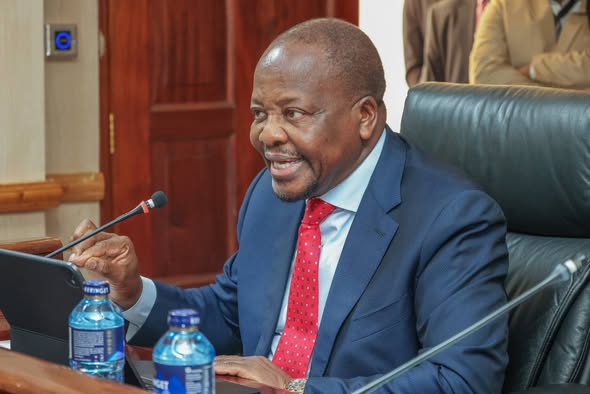
CS Kagwe said that exports of meat and other animal products have been interrupted by fighting that has persisted for roughly two weeks, affecting Kenyan suppliers who depend on these markets.
Kenya’s trade in agricultural products with the Middle East is facing setbacks as conflict in the region disrupts shipments worth about Sh300 million, Agriculture Cabinet Secretary Mutahi Kagwe has revealed.
Kagwe said that exports of meat and other animal products have been interrupted by fighting that has persisted for roughly two weeks, affecting Kenyan suppliers who depend on these markets.
He also highlighted that the country’s tea exports to Dubai in the United Arab Emirates have been compromised, noting that the city serves as a major blending and distribution hub for tea destined for other Middle Eastern nations.
“The DMCC in Dubai is where we mix some of our teas, particularly for some of the Middle East countries,” Kagwe said on Thursday.
While acknowledging the disruptions, Kagwe said the government is moving quickly to identify alternative destinations to ensure farmers and exporters continue accessing markets. He noted that new opportunities are emerging for meat and related products as traditional supply channels face interruptions.
“So we believe that we will be able to cater for other markets and replace the markets that are currently in conflict,” he said.
Kagwe warned that the tensions, linked to the Iran conflict, are largely avoidable and could have knock-on effects for other economies if not addressed. He stressed the need for proactive measures to shield Kenya’s agricultural sector from potential shocks.
“The issue is what measures we can take to mitigate against negative impacts in our economy and particularly in our agricultural sector,” he added.
The CS said teams have been deployed to assess the full scale of the disruption and develop strategies to safeguard the sector. He noted that the Ministry of Foreign Affairs is deeply involved in diplomatic and trade-level interventions to manage the crisis.
“Our Ministry of Foreign Affairs is deeply involved in this, so we are confident that we can get out of it in as good a shape as we can,” he said.
Earlier, Trade Cabinet Secretary Lee Kinyanjui warned that the conflict could also affect the supply of essential raw materials to Kenya. Kinyanjui cautioned that factories relying on imported inputs may face shortages if tensions persist.
“These are issues caused by factors far beyond our control, but they have significant implications for our industries and the wider economy,” he noted.
He added that the government is reviewing preparedness measures and putting plans in place to reduce pressure on local manufacturers.



Comments
Sign in with Google to comment, reply, and like comments.
Continue with Google