Treasury unveils draft rules to regulate digital assets

The rules are expected to strengthen financial stability, improve investor trust, and position Kenya in line with global standards.
The National Treasury has unveiled draft regulations to guide the management of digital assets under the Virtual Asset Service Providers framework, setting the stage for tighter oversight of the fast-growing sector while supporting innovation.
In a statement released on Thursday, the Treasury said the proposed Virtual Asset Service Providers (VASP) Regulations, 2026 are meant to create a structured and secure environment for digital asset activities.
The rules are expected to strengthen financial stability, improve investor trust, and position Kenya in line with global standards.
The draft follows the enactment of the Virtual Asset Service Providers Act in 2025 and seeks to put the law into effect by outlining clear requirements for licensing, supervision, and operations of digital asset service providers across the country.
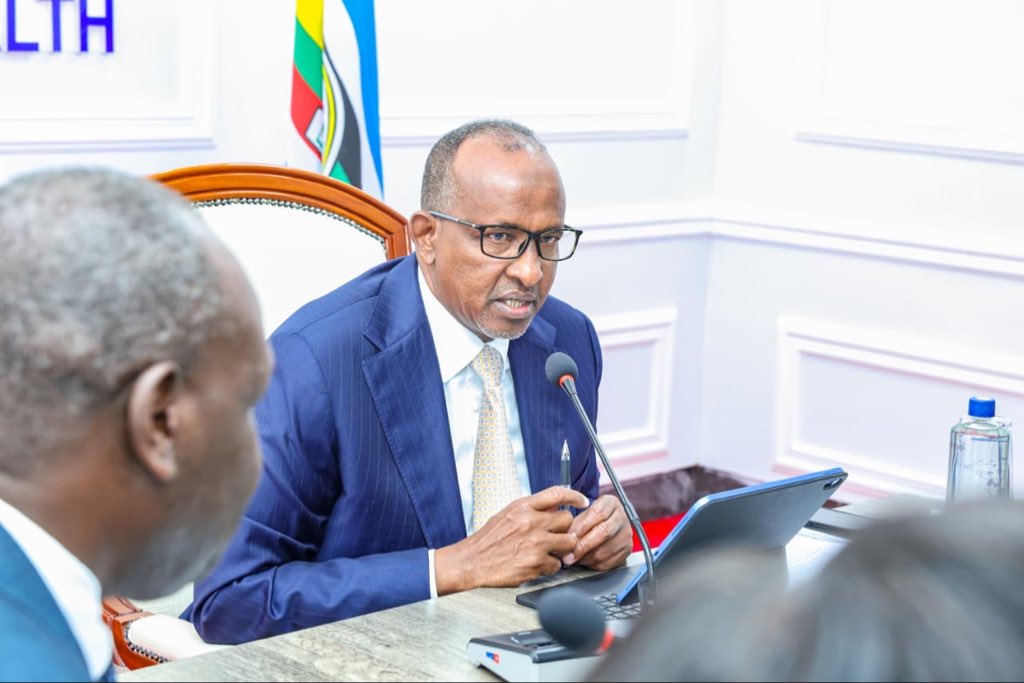
Principal Secretary Chris Kiptoo convened a high-level meeting bringing together various government agencies to review and refine the proposals.
In remarks delivered on his behalf, the Treasury said the regulations introduce “a robust regime to safeguard Kenya’s financial system.”
“The Regulations adopt a proportionate, risk-based approach that balances innovation with financial stability,” Kiptoo said.
According to the Treasury, the framework introduces strict standards on governance, transparency, capital adequacy, and risk management.
Institutions operating in the sector will be required to meet high thresholds for leadership and reporting, maintain sufficient financial reserves, and put in place strong systems to deal with fraud and cyber threats.
Consumer protection is a key focus of the proposed rules.
The Treasury said investors will be shielded through mandatory risk disclosures to help them understand the volatile nature of digital assets. Service providers will also be required to be clear about fees to eliminate hidden charges.
The draft further outlines strict safeguards for customer funds, including rules on how assets should be separated and protected when held by service providers.
Officials said the regulations are aligned with international best practices, especially in addressing risks linked to money laundering and terrorism financing.
The framework also introduces measures to curb insider trading and market manipulation within the digital asset space.
The Treasury believes the reforms could support Kenya’s efforts to exit the global financial “grey list” and improve its standing as a reliable destination for digital investment.
The development has been shaped through a multi-agency approach involving key regulators such as the Capital Markets Authority, Central Bank of Kenya, Kenya Revenue Authority, and the Financial Reporting Centre.
The Treasury said this coordination reflects a unified effort to strengthen oversight and ensure consistency across the financial sector.
As part of the process, the government has opened the draft regulations for public participation, inviting views from stakeholders before the final framework is adopted.
Cabinet Secretary John Mbadi called on the public, industry players, and other stakeholders to submit their feedback.
The Treasury said submissions must be made by April 10, 2026, through channels such as physical delivery, email, and participation in planned public forums.
Consultations will be held across major towns including Nairobi, Mombasa, Kisumu, and Garissa, in a move aimed at collecting views from across the country’s financial and technology sectors.
The move comes at a time when digital asset use is rising in Kenya and across Africa, bringing both opportunities for growth and concerns over financial risks.
Through the proposed regulations, the government is seeking to strike a balance between encouraging innovation and protecting the stability of the financial system.
If adopted, the VASP Regulations, 2026 are expected to play a key role in shaping Kenya’s digital finance landscape and positioning the country as a regional leader in regulated digital asset markets.



Comments
Sign in with Google to comment, reply, and like comments.
Continue with Google