Loan and lending conditions constrain Kenya’s borrowing, taxation decisions-Economist
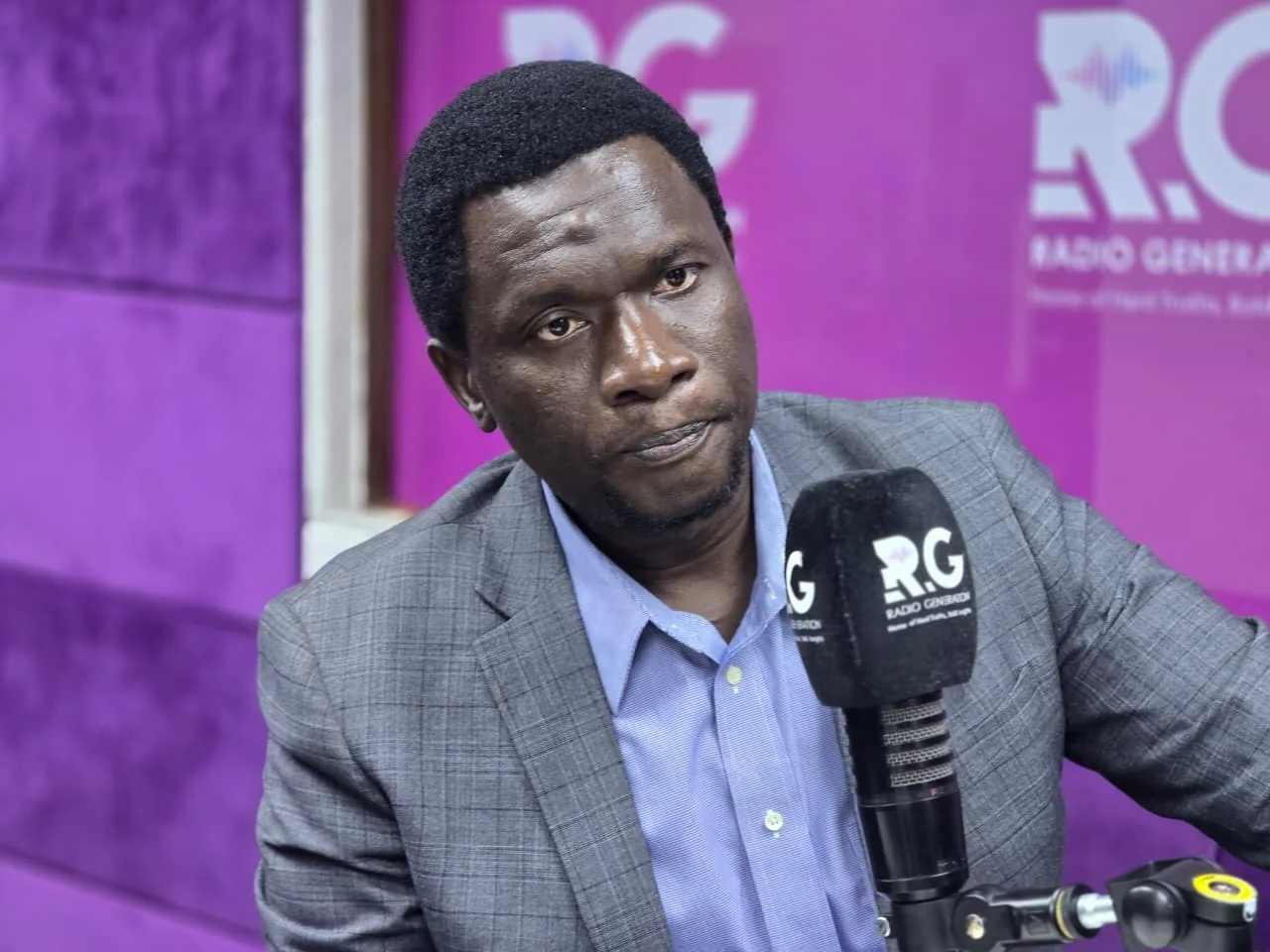
According to Ramogi, the conditions attached to borrowing agreements restrict governments’ ability to make independent economic choices. He argued that once countries take loans, they are effectively locked into a system that dictates key policy directions.
Economist Odhiambo Ramogi has criticised the role of global financial institutions, arguing that banking systems and policy frameworks imposed by lenders are constraining Kenya’s economic independence.
He says decisions linked to borrowing, taxation, and asset sales are influenced externally, limiting policy space and shaping domestic outcomes in ways that raise concerns about sovereignty and long-term development prospects.
Speaking on Monday during a Radio Generation interview, the economist said institutions such as the World Bank and the International Monetary Fund (IMF) play a central role in shaping domestic policies, often in ways that prioritise their own interests.
“The World Bank is a bank, they make policies that benefit them,” he said, adding that such institutions create the impression of support while advancing their financial agendas.
According to Ramogi, the conditions attached to borrowing agreements restrict governments’ ability to make independent economic choices. He argued that once countries take loans, they are effectively locked into a system that dictates key policy directions.
“You are hooked to this thing, and you can never move out of it,” he said.
ELIM Capital CEO, pointed to historical examples where governments were required to implement structural changes, including the sale of public assets, as part of lending conditions.
“They are the ones who come up with those ridiculous things. Sell your shares, sell this, sell that,” he said.
Ramogi argued that such policies have long-term consequences, reducing state control over strategic sectors and limiting opportunities for domestic growth.
He also suggested that resistance to these frameworks can come at a cost, citing past African leaders such as Thomas Sankara of Burkina Faso and Kwame Nkrumah of Ghana, who faced political challenges after opposing external influence.
The economist described the global financial system as highly interconnected, with central banks and economies closely linked, leaving little room for independent manoeuvre.
“The countries of the world are so interconnected, by the time you come to power and you realise how little a space you have, then you say, ‘how can we survive with the circumstance?’” he said.
Ramogi added that this interconnected system forces leaders to negotiate within constraints rather than pursue entirely independent policies.
“So if you wanted to live on, you say, ‘okay, what do you guys want?’ and you find ways of negotiating,” he said.
He further argued that the dominance of Western economies in global finance has shaped the rules under which developing countries operate.
“The dominant voice in world economy has been the US, Americans and Europeans,” he said, noting that their influence extends to institutions that determine lending and policy frameworks.
Ramogi also linked current domestic economic challenges to these broader financial dynamics, saying policy decisions are often influenced by external pressures tied to debt and fiscal obligations.
He warned that such constraints affect key areas of the economy, including taxation and public spending, ultimately impacting citizens.
“On one hand, you are taking advantage of every opportunity to tax Kenyans, on the other hand, there is a very high interest regime,” he said.
https://twitter.com/RadioGenKe/status/2051174612621275209
According to him, this combination reduces disposable income while also limiting access to credit, creating a difficult environment for economic growth.
“We take away your disposable income and we also take away your capacity to borrow,” he said.
Ramogi concluded that while governments may be aware of these challenges, their ability to act independently is limited by the structure of the global financial system.
“They know, but the world is like a global village,” he said, suggesting that navigating this system requires compromise rather than complete autonomy.




Comments
Sign in with Google to comment, reply, and like comments.
Continue with Google