Duale calls for unified child health agenda under UHC framework
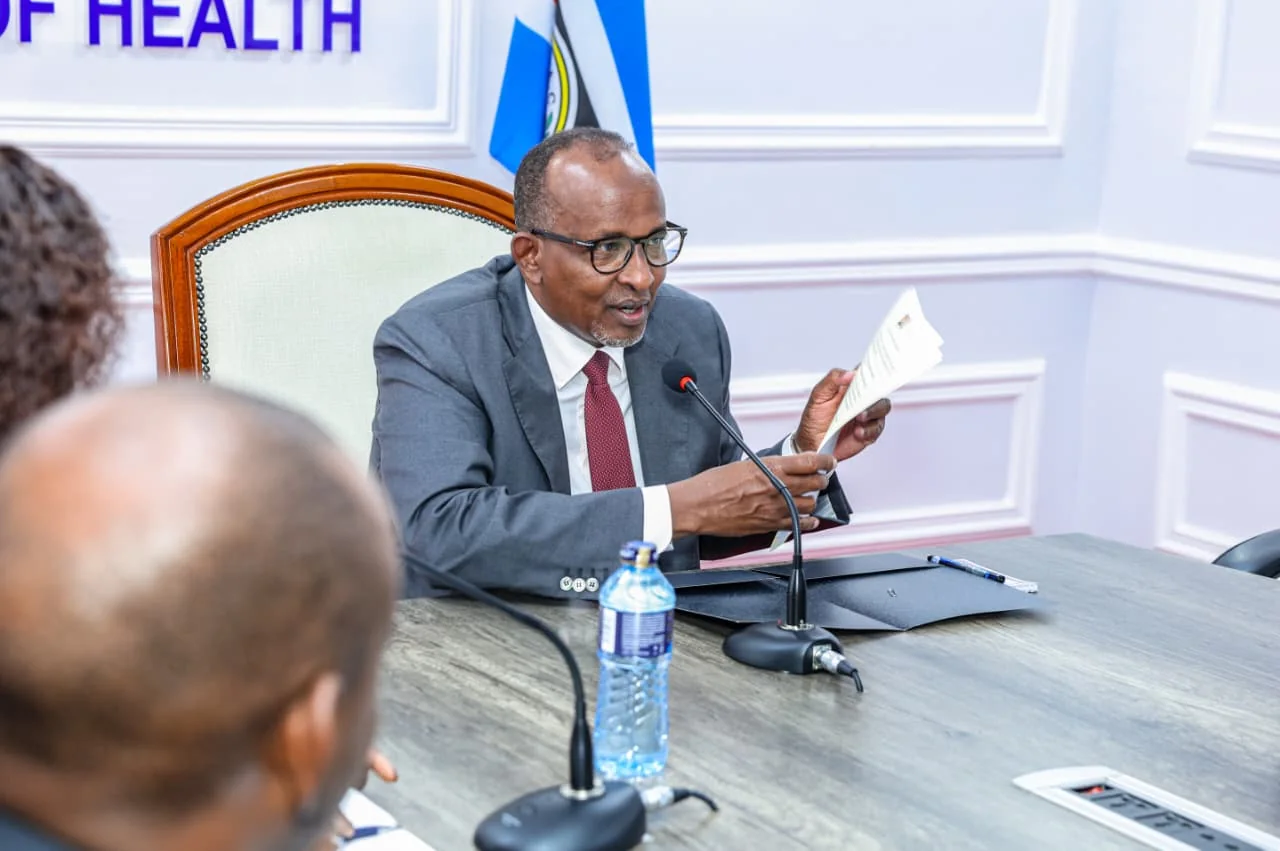
Following talks with pediatric experts, he emphasised strengthening healthcare systems, expanding access, and reducing preventable deaths, as the government accelerates reforms under Universal Health Coverage and the Taifa Care Model.
Health Cabinet Secretary Aden Duale has called for a unified national approach to improve newborn, child and adolescent health in Kenya.
Following talks with paediatric experts, he emphasised strengthening healthcare systems, expanding access, and reducing preventable deaths, as the government accelerates reforms under Universal Health Coverage and the Taifa Care Model.
The meeting, held with the Kenya Paediatric Association (KPA) on Monday, and led by its President Supa Tunje, focused on aligning stakeholders around a national agenda to improve health outcomes for children and mothers.
Duale said the discussions were aimed at advancing “a unified national agenda for newborn, child and adolescent health within the Universal Health Coverage (UHC) framework,” highlighting the need for coordinated action across the health sector.
Key areas of focus included improving the quality of care across the full continuum, from pregnancy and delivery to postnatal and early childhood services. The CS noted that efforts would target strengthening systems to ensure better outcomes throughout these critical stages.
He stressed the discussions centred on “improving the quality of newborn care across the full continuum, from pregnancy and delivery to postnatal and early childhood services,” while also addressing systemic challenges affecting service delivery.
Among the priorities identified were strengthening referral systems to ensure patients receive timely care, improving access to critical interventions, and addressing shortages in essential supplies.
Duale highlighted the importance of ensuring availability of key resources, including safe blood, to reduce preventable maternal and newborn deaths.
The meeting also reaffirmed Kenya’s commitment to broader health initiatives under the Taifa Care Model, alongside global partnerships such as Every Woman Every Newborn Everywhere (EWENE), which is supported by the World Health Organization and UNICEF.
Duale said the government would leverage existing programmes to accelerate progress, noting that efforts would include “leveraging the Rapid Results Initiative (RRI) to fast-track service delivery and clear systemic backlogs.”
The discussions also addressed financing and workforce challenges within the health system. The CS emphasised the need to strengthen benefit tariffs and expand coverage for child-focused services to ensure broader access to care.
He also reaffirmed the importance of investing in human resources, saying there is a need to build “a well-trained health workforce,” alongside expanding capacity in neonatal and paediatric intensive care across the country.
The Health CS noted that improving health outcomes for children requires coordinated action from all stakeholders, including government, development partners and communities. He called for “a unified national effort across government, partners and communities to ensure every child not only survives but thrives.”
He linked the health agenda to the government’s broader economic strategy, noting that it is anchored on the Bottom-Up Economic Transformation Agenda (BETA), which recognises the role of health in national development.
He said the approach is based on the understanding that “a healthy population is the foundation of sustainable development,” highlighting the long-term economic and social benefits of investing in health systems.
The meeting was also attended by Director General for Health Patrick Amoth and other Ministry of Health officials, signalling a coordinated institutional effort to drive the reforms.
Kenya has been working to strengthen its health system under the Universal Health Coverage framework, with a focus on improving access, quality and equity in healthcare services.
The latest engagement with paediatric experts reflects ongoing efforts to address gaps in maternal and child health, which remain key indicators of overall system performance.
The discussions come amid broader efforts to reduce preventable deaths and improve health outcomes, particularly among vulnerable populations.
By focusing on system-wide improvements and partnerships, the government aims to build a more resilient and responsive healthcare system.
Duale’s call for unity and coordination highlights the scale of the challenge and the need for sustained collaboration to ensure that reforms translate into tangible improvements in health outcomes for children and families across the country.




Comments
Sign in with Google to comment, reply, and like comments.
Continue with Google