MPs back use of drones, bodycams to track police conduct as IPOA faces reform pressure
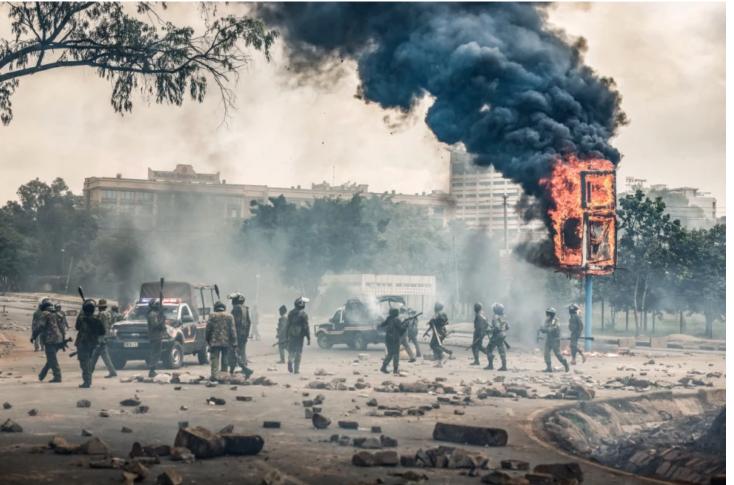
The Independent Medico-Legal Unit 2025 report recorded 97 extrajudicial killings, 18 deaths in custody, 72 cases of torture or ill-treatment, 49 protest-related injuries, 1,500 arbitrary arrests, and five enforced disappearances within the year.
A parliamentary committee has backed the use of technology to monitor police conduct during protests, as pressure grows for stronger accountability systems ahead of the 2027 General Election amid fresh concerns over rising human rights violations in the country.
The National Assembly Departmental Committee on Administration and Internal Security held talks with the Independent Policing Oversight Authority Board in Mombasa, where discussions focused on the use of drones, body-worn cameras, delayed police response, and gaps in oversight during public protests.
Committee chair MP Gabriel Tongoyo (Narok West) sought clarity on emerging policing tools.
“From where you sit as IPOA, what is your position on the intended use of body cameras and drones by the police?” Hon. Tongoyo posed.
MP Oku Kaunya (Teso North) said drones could help in planned security operations but remain limited in sudden incidents.
“In cases of organised criminal activity, drones can be deployed effectively to identify what is happening. But in isolated incidents, such as goon attacks, by the time you MP Liza Chelule (Nakuru County) called for stronger risk planning ahead of the 2027 elections.
“What is not coming out clearly is what you predict will happen before and after the 2027 elections. This is the only way we can prepare and mitigate,” she said.
MP Peter Kaluma (Homa Bay Town) raised concerns over compensation for victims of police brutality, warning of possible abuse of the process.He also questioned cases of police inaction during violence.
“For Kenyans, once they hear there is money somewhere, we risk having people who were not injured benefiting instead of the real victims. What are you doing about cases where there is clear inaction by the police?” he asked.
IPOA Chief Executive Officer Elema Halakhe said policing trends often rise during political activity.
“The reduction in incidents is largely due to reduced political activity. As we approach the campaign season, we anticipate an increase,” he said.
On compensation, Halakhe said IPOA only provides verified data. He added that the delayed police response is under investigation.
“We have already submitted a verified list of deaths and injuries. We are increasingly seeing instances where police fail to act in time,” he said.
MP Dido Rasso (Saku), vice-chairperson of the committee, questioned how lawful use of force is assessed and what risks are expected ahead of the elections.
IPOA officials said they are analysing past election cycles to prepare for possible unrest.
“We are studying historical patterns and projecting possible outcomes,” Halakhe said.
Commissioner Dr. Annette Mudola Mbogo supported the controlled use of surveillance tools.
“These technologies improve accountability and evidence integrity,” she said.
Commissioner Kenwilliam Nyakomitah defended IPOA oversight, saying lawful police action should not attract fear of investigation.
“If an officer uses force lawfully, there should be no fear,” he said.
IPOA Director of Inspections, Monitoring and Preventive Services Munene Mugambi said drones cost about Sh3 million and deployment will be intelligence-led.
“It is not just about fault-finding but also recognising good conduct,” he said.
The discussions come at a time of heightened scrutiny on human rights in the country.
In its end-of-year report released on International Human Rights Day, the Independent Medico-Legal Unit (IMLU) said 2025 has been one of the worst years for human rights observance in Kenya, warning that the country is increasingly being classified among repressed states.
The report paints a grim picture of rising state repression, excessive use of force, shrinking civic space, and growing impunity by state institutions.
“Between January and December 2025, Kenya experienced a disturbing rise in state repression, oppression of citizens and suppression of voice… excessive use of force, targeted attacks on civil society, shrinking civic space, and systemic impunity by state institutions,” said Grace Kahuria, Executive Director of IMLU.
The report recorded 97 extrajudicial killings, 18 deaths in custody, 72 cases of torture or ill-treatment, 49 protest-related injuries, 1,500 arbitrary arrests, and five enforced disappearances within the year.
It further noted that nearly 100 of the killings were linked to state security agents, raising alarm over accountability and oversight mechanisms.
The findings have intensified pressure on both Parliament and oversight bodies to strengthen monitoring systems, especially as political activity is expected to rise ahead of the 2027 General Election.
Lawmakers say technology such as drones and body cameras could improve transparency during protests, while IPOA maintains that reforms must also address delays in police response, verification of compensation claims, and institutional accountability.




Comments
Sign in with Google to comment, reply, and like comments.
Continue with Google