Disaster Centre warns on approvals, weak planning laws as Nairobi faces flood risks
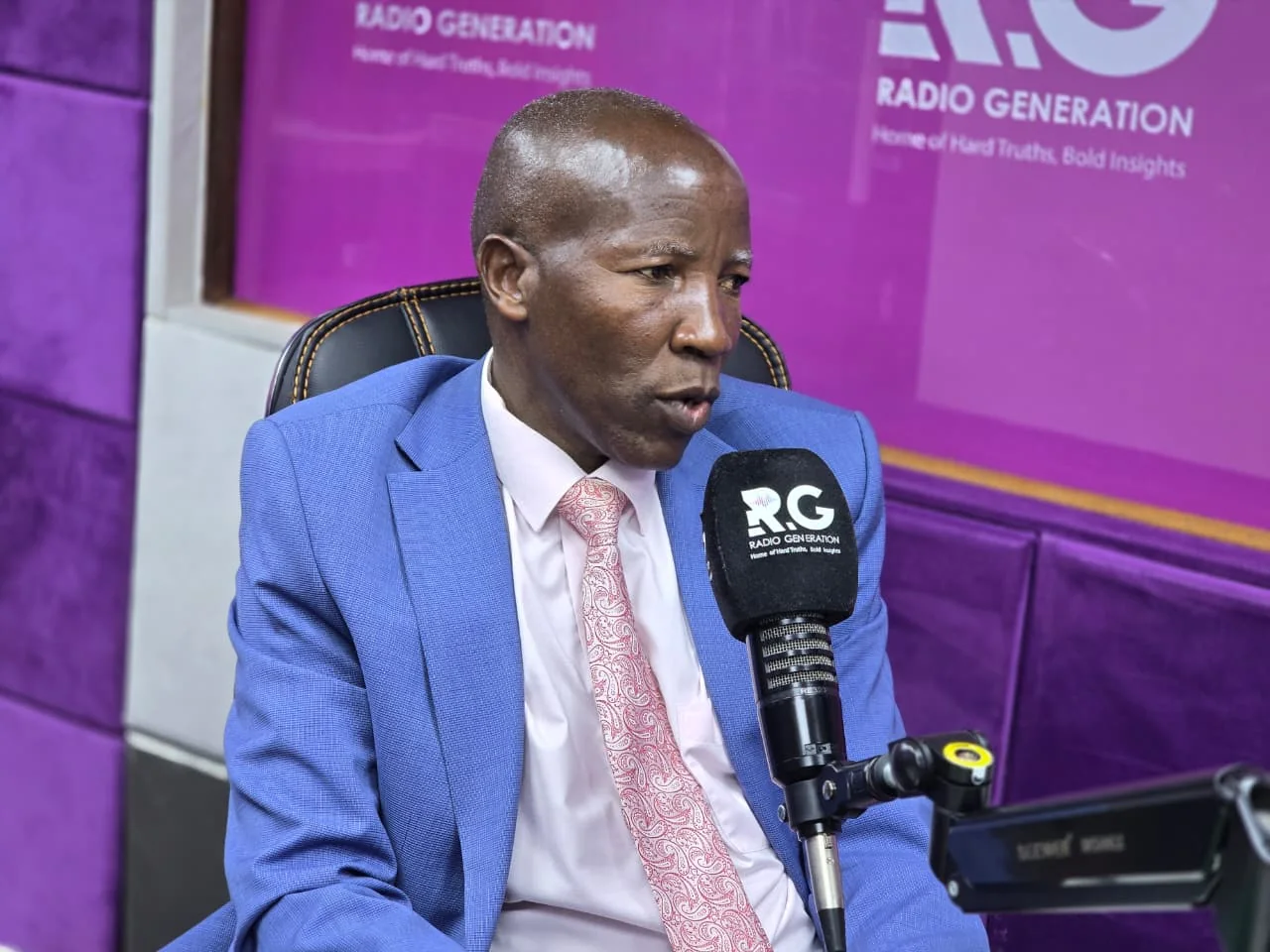
National Disaster Operation Centre DG Col (Rtd) David Samoei says Nairobi needs a whole-of-government approach, citing South B developments affecting river systems. He warns demolitions must avoid new crises and urges stricter planning law enforcement.
The management of disasters in Nairobi needs closer coordination between government agencies, especially in areas where development has interfered with natural drainage systems such as South B, the National Disaster Operation Centre has said, warning that both planning failures and enforcement gaps continue to expose residents to risk.
Director General of the centre, Col (Rtd) David Samoei, said dealing with such cases requires a broad government response that brings together multiple institutions, while also considering legal approvals that were already issued for some of the affected structures.
Speaking on Radio Generation on Tuesday, Samoei said enforcement must be handled carefully because some developments were allowed through official channels before the current problems emerged.
“This person did not just wake up one day and build in that place,” he said, noting that the presence of approved structures complicates removal processes and requires careful handling to avoid creating new social and housing problems for residents.
He said ongoing work by the Nairobi Rivers Commission and county officials has already led to notices being issued for the removal of buildings located on riparian land, as part of wider efforts to restore natural water flow and reduce flooding risks.
At the same time, Samoei said responsibility should not only fall on those occupying the buildings, but also on those who approved them, although tracing accountability can be difficult due to how long some approvals have been in place.
“we should take action on those who approve this building,” he said, adding that weaknesses in the system make it hard to identify responsibility years after developments are completed.
He warned that failure to follow construction rules continues to result in serious safety risks, including building collapses and environmental damage linked to poor compliance with planning laws.
“A building collapsed because it was designed for total floors, but this person deliberately increased another two floors,” he said, pointing to cases where approved designs are altered during construction without proper approval.
Samoei also said there is still a major gap between government institutions and the public when it comes to following regulations, noting that some developers proceed with construction without respecting the law.
“somebody wants to build a structure and he doesn’t want to follow the law,” he said, calling for stronger civic responsibility alongside stricter enforcement by state agencies.
His remarks come in the context of a presidential directive issued on March 7, 2026, following deadly floods that affected Nairobi and other parts of the country, which called for stronger coordination in disaster response.
President William Ruto directed government institutions to improve preparedness and work together more closely during emergencies, stressing the need for faster and more coordinated action.
“We must strengthen our national disaster response system so that when emergencies occur, we act swiftly, decisively, and in a coordinated manner across all levels of government. No Kenyan should lose their life or livelihood because of delays, poor coordination, or lack of preparedness,” he said.
He further instructed agencies to improve early warning systems and ensure real-time information sharing between institutions, saying rapid response measures such as evacuation and relief must follow immediately once warnings are issued.
“All relevant institutions must work together seamlessly, share information in real time, and ensure that early warning translates into early action, including evacuation, relief, and protection of vulnerable communities.”
Samoei said the directive has already strengthened coordination among agencies involved in disaster management, including flood monitoring, dam safety checks, and mapping of high-risk infrastructure areas by the National Disaster Operation Centre, working with weather and security agencies.
However, he pointed out that limited funding continues to slow down full response capacity during major emergencies.
“We have a budget… which in our view is just far too small,” he said, noting that disaster situations often demand resources beyond what is currently available.
https://twitter.com/RadioGenKe/status/2051581509060932033
He added that effective disaster management depends on stronger coordination between agencies, strict enforcement of planning laws, and increased investment in preparedness systems to reduce avoidable loss of life and property.




Comments
Sign in with Google to comment, reply, and like comments.
Continue with Google