Kenya pushes Africa for united stand on methane cuts amid climate fairness concerns
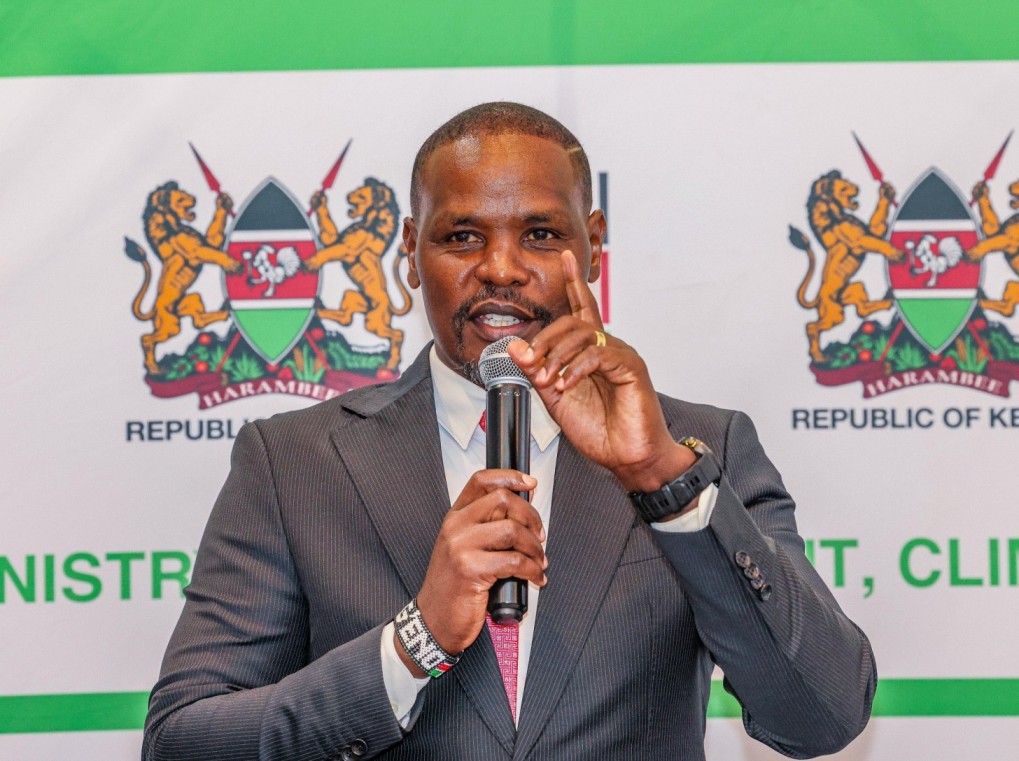
Speaking at a virtual joint sitting of Kenya’s Senate and National Assembly, PS Festus Ng’eno urged African countries to cut methane through fair, livelihood-sensitive policies and to guide action by local realities.
Kenya has urged African countries to work together on a fair and coordinated strategy to cut methane emissions, saying global climate rules should not place pressure that harms people’s livelihoods. The call was made during a regional parliamentary seminar that brought together lawmakers and climate stakeholders to shape a common approach for the continent.
Speaking at the virtual session, Principal Secretary, State Department For Environment & Climate Change, Eng. Festus K. Ng’eno said Africa contributes very little to global emissions but continues to face the harshest effects of climate change, including droughts, floods, food shortages and displacement. He insisted that climate action must reflect fairness and the different development needs of countries.
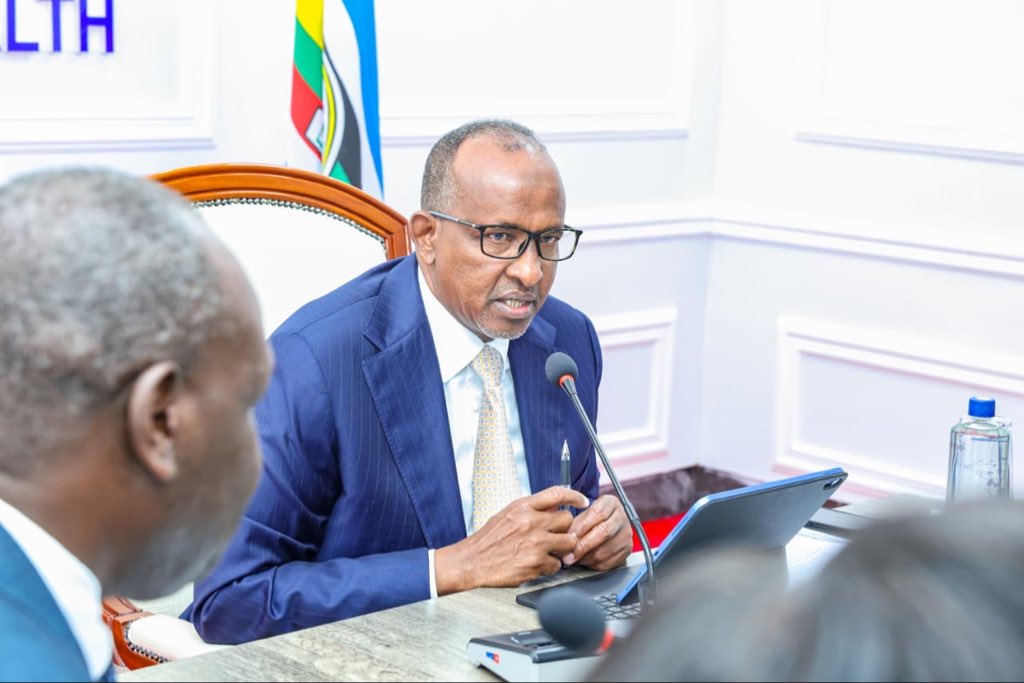
The seminar, which ran for three days as a joint sitting of the Senate and National Assembly, was chaired by Mombasa Senator Mohamed Faki. It focused on methane reduction and how African countries can balance environmental protection with development needs while strengthening cooperation on climate finance, technology transfer and capacity building.
Ng’eno said methane remains one of the most dangerous greenhouse gases, but warned that responses must be guided by local realities.
“Methane is the climate question of this decade,” Ng’eno stressed, noting that the gas is about 80 times more potent than carbon dioxide over a 20-year period and contributes nearly 30 percent of global warming since the industrial era.
He pointed out what he described as a global imbalance in responsibility, noting that Africa’s emissions are minimal compared to other regions, yet the continent continues to bear severe climate impacts.
Focusing on Kenya, he said the country contributes less than 0.1 percent of global emissions. He added that most of Kenya’s methane comes from livestock, especially through enteric fermentation, which accounts for about 96 percent of emissions in that category, as well as waste systems.
He also warned against misinterpreting drops in emissions that result from climate disasters.
“That is not a climate success. That is a climate emergency,” he said.
Ng’eno said Kenya’s climate response is guided by the principle of fairness under the Paris Agreement, which requires countries to balance emission cuts with poverty reduction and sustainable growth.
He cautioned against policies that could hurt rural communities.
“Policies aimed at reducing methane emissions must not compromise the livelihoods of pastoralists, smallholder farmers, or rural households,” Ng'eno said. “Africa will not pay for this crisis with her people’s livelihoods.”
He explained that Kenya is already implementing several measures aimed at reducing methane while supporting development goals. These include improving livestock productivity, promoting biogas use, expanding clean cooking solutions, and strengthening waste management systems to capture emissions.
Since 2009, more than 21,000 household biogas digesters have been installed across the country, with a target of 80,000 in the coming years. The country is also rolling out the National Cooking Transition Strategy, which aims to ensure universal access to clean cooking by 2028.
In addition, Kenya is advancing large-scale environmental restoration through the Presidential 15 Billion Trees initiative, aimed at improving ecosystems and supporting climate resilience.
Ng’eno urged African parliaments to take a stronger role in shaping climate laws and policies that reflect the continent’s needs. He encouraged closer engagement through platforms such as the Inter-Parliamentary Union and Climate Parliament to push for more climate finance, technology sharing and joint solutions.
The meeting also brought together National Environment Trust Fund Chief Executive Samson Toniok and parliamentary liaison officer Rodney Omari, among other officials.
The discussions reflect a growing push across Africa for a coordinated position on methane and wider climate policies, as countries seek to ensure global climate action remains fair while supporting development.



Comments
Sign in with Google to comment, reply, and like comments.
Continue with Google