Agriculture Department seeks Sh67.37bn amid fertilizer debts and climate pressures
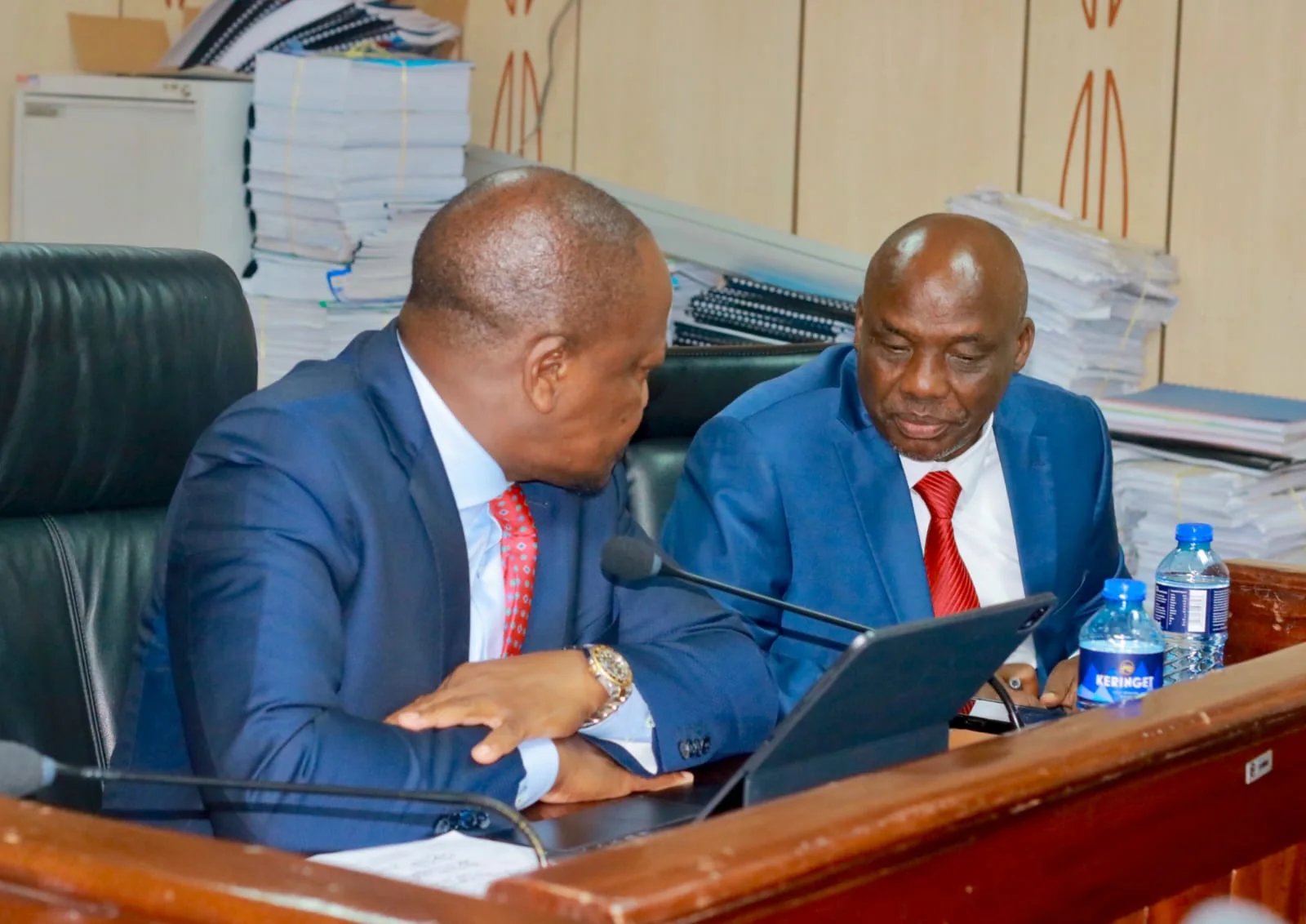
Principal Secretary Kipronoh Ronoh said the agriculture sector continues to face pressure from delayed funding, rising operational costs and increased demand for subsidised farm inputs and extension services.
The State Department for Agriculture is seeking Sh67.37 billion for the 2026/27 financial year to support food production programmes, settle pending bills and sustain government food security plans amid rising production costs, climate shocks and pest outbreaks.
Appearing before the National Assembly Committee on Agriculture and Livestock chaired by Tigania West MP John Mutunga on Tuesday, Principal Secretary Kipronoh Ronoh said the proposed allocation is Sh.7.37 billion above the approved Budget Policy Statement ceiling of Sh59.99 billion.
Ronoh told MPs the additional funds are needed to implement projects under the Bottom-Up Economic Transformation Agenda (BETA), support farmers and improve agricultural productivity.
According to the department, Sh24.40 billion has been proposed for recurrent expenditure while Sh42.97 billion will go towards development projects focused on food production, infrastructure and farmer support programmes.
The PS said the agriculture sector continues to face pressure from delayed funding, rising operational costs and increased demand for subsidised farm inputs and extension services.
“Both the State Department’s recurrent and development budgets have significant deviations from the approved 2026 BPS ceilings,” Ronoh stated.
The department also disclosed that three new projects are expected to start in the 2026/27 financial year, although inadequate funding could slow implementation.
At the same time, the ministry raised concern over mounting debts linked to the fertilizer subsidy programme.
“On Fertilizer subsidy, the State department is engaging the National Treasury for additional budgetary allocation to ensure the outstanding debts are cleared as soon as possible,” Ronoh says.
The department warned that pending bills are affecting service delivery and delaying the implementation of planned activities.
“High pending bills disrupts service delivery from contractors, affecting progress of planned activities and targets,” Ronoh stated.
Among the challenges facing the sector, the ministry listed delayed funding, weak county extension services, high agricultural input costs, climate change and pest outbreaks.
“Unprecedented outbreaks of pests and diseases (Quelea quelea, rodents, snails, maize lethal necrosis) have affected production and productivity impacting on food and nutrition security,” Ronoh said.
The department also cited droughts and floods as growing threats to food production across the country.
Despite the challenges, the ministry said it had registered progress in implementing its programmes during the third quarter of the 2025/26 financial year.
“Despite the limited budgetary provision and other challenges, the State Department has made several milestones in delivering its mandate by the third quarter of the Financial Year 2025/26,” the submission states.
The ministry maintained that increased investment in agriculture is necessary to improve food security, create jobs and lower the cost of living.




Comments
Sign in with Google to comment, reply, and like comments.
Continue with Google