MPs question Drought Fund’s capacity to handle rising climate emergencies
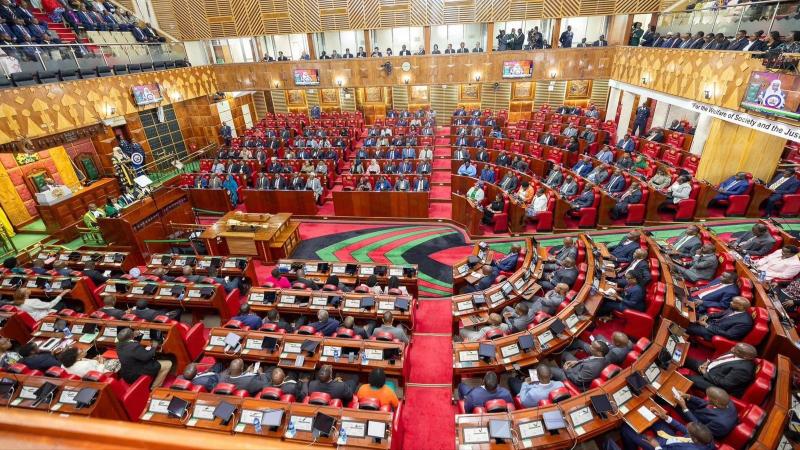
The concerns emerged during a session of the Special Funds Accounts Committee held at Bunge Towers on Tuesday, where lawmakers scrutinized the Fund’s operations as part of an ongoing review of Auditor-General reports covering the 2020/2021 to 2024/2025 financial years.
Members of the National Assembly of Kenya have raised concerns over the preparedness and sustainability of the National Drought Emergency Fund, questioning whether the agency has the financial and operational capacity to effectively respond to recurring drought crises across the country.
The concerns emerged during a session of the Special Funds Accounts Committee held at Bunge Towers on Tuesday, where lawmakers scrutinized the Fund’s operations as part of an ongoing review of Auditor-General reports covering the 2020/2021 to 2024/2025 financial years.
The committee, chaired by Fatuma Mohammed, put officials from the Fund to task over how resources are planned, allocated and managed during drought emergencies, amid growing pressure caused by climate change and prolonged dry spells in several regions.
National Drought Emergency Fund Chief Executive Officer Hared Adan defended the agency’s operations, telling MPs that the Fund remains financially prepared to respond to emergencies while also investing in long-term resilience programmes in vulnerable communities.
Adan said previous interventions had enabled the agency to provide essential support to communities hardest hit by drought, including emergency food supplies and water assistance.
“He noted that during the last drought incident, the Fund was able to meet basic needs for affected communities,” a statement from Parliament dated May 12, 2026, said.
Despite the assurances, committee members questioned whether the Fund’s current financing structure could sustain large-scale emergency operations without relying on additional support from the national government.
Lawmakers also sought explanations on how the agency determines which regions receive funding and whether there are disparities in the distribution of resources among counties affected by drought.
The committee raised concerns about accountability and transparency in project selection, particularly in areas where repeated drought emergencies continue to strain local populations.
In response, Adan said allocations vary depending on the type of intervention being implemented in each region, noting that infrastructure and relief projects require different levels of investment.
“Mr. Adan explained that the amount allocated depends on the type of infrastructure and projects being implemented in specific areas, noting that different interventions require varying levels of funding,” the parliamentary statement said.
He maintained that the Fund follows established criteria in identifying projects and prioritising interventions based on severity of need and operational requirements.
The CEO also appealed for stronger collaboration between Parliament, national government agencies and development partners to improve drought preparedness and response mechanisms.
According to Adan, climate-related shocks are becoming more frequent and severe, increasing pressure on resources and exposing vulnerable communities to prolonged humanitarian crises.
The scrutiny comes at a time when Kenya continues to face recurring drought cycles that have devastated livestock, disrupted food production and heightened humanitarian needs in arid and semi-arid regions.
The Special Funds Accounts Committee is expected to continue reviewing the Fund’s financial management practices and operational effectiveness as part of wider efforts to strengthen accountability in the management of public resources.




Comments
Sign in with Google to comment, reply, and like comments.
Continue with Google