MPs question decades-long write-off of Sh1.3 billion pyrethrum losses
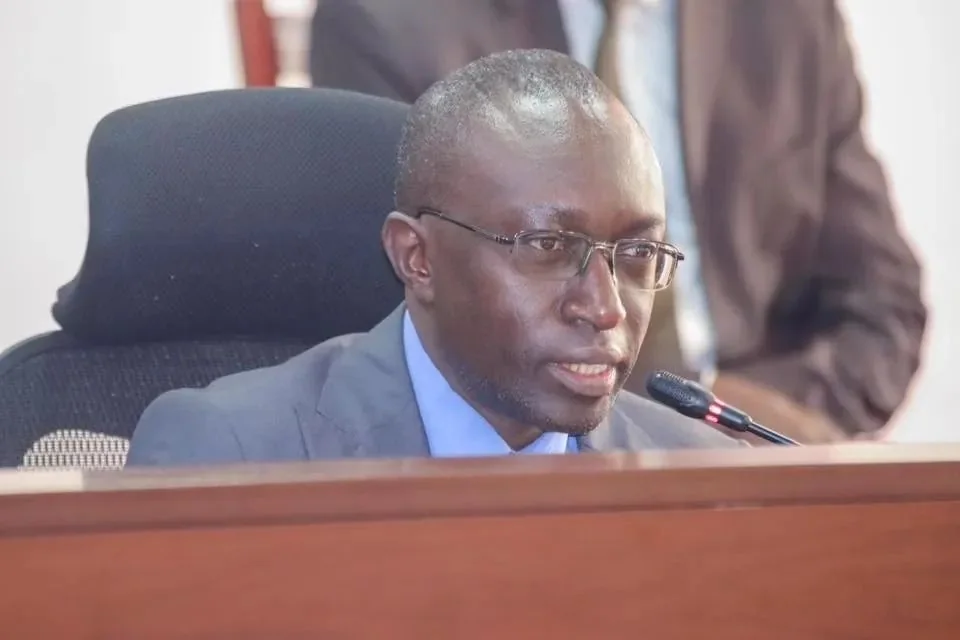
At the centre of the probe was the corporation’s failure to remit Pay As You Earn (PAYE) deductions despite recovering the money from staff salaries.
Members of the National Assembly Public Investments Committee on Social Services, Administration and Agriculture have put the Pyrethrum Processing Company of Kenya (PPCK) under intense scrutiny after a review of audit reports exposed long-standing financial problems, poor record keeping and unresolved questions over the management of billions of shillings in public resources.
The session turned tense as officials from the state corporation appeared before MPs to respond to audit concerns covering more than a decade, with lawmakers accusing the company of failing to follow financial procedures, mishandling deductions from employees and neglecting key public assets.
At the centre of the probe was the corporation’s failure to remit Pay As You Earn (PAYE) deductions despite recovering the money from staff salaries.
Committee members criticised the management for using the deductions to keep the company running instead of forwarding the funds to the tax authorities as required.
Ndhiwa MP Martin Owino dismissed the explanation that financial strain had forced the company into the move.
“You are not supposed to say it is because there’s a shortage of resources.This money is not yours. It’s a catch-22 where you will rob Paul to pay Bill. That is not legally right”, he stated.
The lawmakers also questioned the handling of a Sh1.3 billion pyrethrum content loss that the corporation has been spreading over a 30-year period since 2007.
Acting Chief Executive Officer Edward Ochieng told the committee that the losses stemmed from outdated extraction equipment installed in the 1950s, which he said caused the products to deteriorate while in storage.
MPs, however, faulted the corporation for failing to provide records showing how the 30-year recovery period was reached, saying the arrangement raised fresh concerns about transparency and possible attempts to cover up operational failures.
Committee Chairperson Emmanuel Wangwe also sought answers over what he described as questionable financial dealings involving the Agriculture and Food Authority (AFA) and the New Kenya Planters Co-operative Union (New KPCU), including a Sh100 million transfer.
Wangwe warned against the use of public agencies in transactions whose legal basis could not be clearly explained.
The committee further turned its attention to PPCK’s 864 acres of land, where parts of the property have reportedly been occupied illegally as legal disputes continue in court.
Lawmakers criticised the corporation for failing to secure the land despite the growing threat of encroachment.
“The land is under paper again. I can tell you in the next 3 years if you don’t rise up to the occasion, none of you will be here. This is no joke”, he cautioned.
The MPs directed the corporation to submit all pending records by early June, including detailed reports on its assets, liabilities and contested properties.
The committee indicated that its final recommendations could include further investigations into former management officials, possible legal action and consideration of writing off debts owed to government institutions.
The committee later shifted its focus to the Kenya Nuclear Regulatory Authority (KNRA), where lawmakers uncovered gaps in the management of assets inherited from the former Radiation Protection Board.
Officials from the authority admitted they were unable to produce title deeds for some properties or logbooks for vehicles under its possession.
Some of the disputed assets include land located within the Kenyatta National Hospital complex where the former radiotherapy centre is situated, as well as a waste handling facility in Ngong.
KNRA officials told MPs they had received verbal communication that ownership documents were being processed at the Ministry of Lands, but they failed to table any written evidence before the committee.
Martin Owino, who chaired the sitting, questioned whether the authority still had ownership of the assets.
“Kenyans can be very interesting when it comes to land. Do you think you still have it or it’s gone?” he posed.
The audit review also highlighted cases of unapproved expenditure in the financial year ending June 2022, with management linking the spending to staffing shortages experienced during the transition period after the authority became operational under the Nuclear Regulatory Act of 2019.




Comments
Sign in with Google to comment, reply, and like comments.
Continue with Google