Treasury clarifies mitumba, phone and PAYE changes in Finance Bill 2026

Speaking during a press briefing in Nairobi on Monday, the CS said reforms such as a simplified “mitumba” tax regime, reduced phone import taxes, and a shift in filing timelines are aimed at easing business costs, improving efficiency, and boosting revenue collection rather than raising prices, stressing that “there is miscommunication around this.”
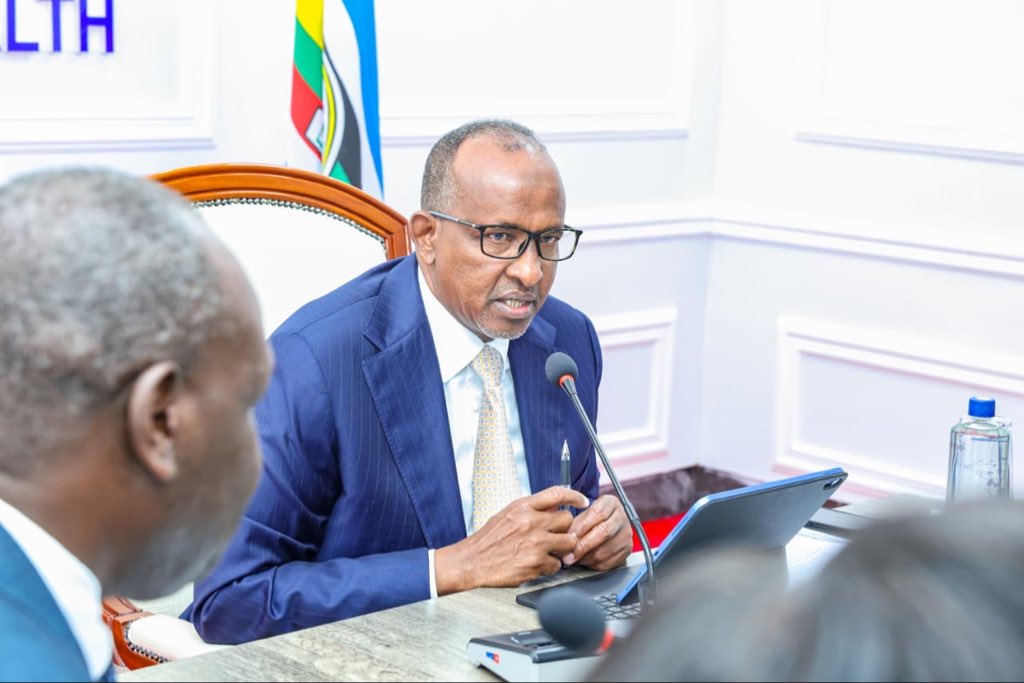
Treasury Cabinet Secretary John Mbadi has defended the Finance Bill 2026 proposals, saying the contested tax changes have been misunderstood and are aimed at widening the tax base while simplifying compliance for businesses and individuals without increasing the burden on ordinary Kenyans.
Speaking during a press briefing in Nairobi on Monday, John Mbadi said the reforms are designed to reduce tax complexity, improve efficiency in revenue collection, and support business operations. He insisted that public debate around the proposals has been distorted, saying “there is miscommunication around this.”
Simplified tax plan for mitumba traders
Mbadi said the government is proposing a simplified tax structure for the second-hand clothing sector. Under the plan, 5% of the customs value of imported mitumba goods would be treated as profit and taxed at 30%, which translates to an effective final tax rate of 1.5%.
He explained that the change is meant to address long-standing concerns from traders over complex compliance requirements and multiple tax filings. According to him, the new system would reduce administrative burden while maintaining fairness in the sector.
Changes in mobile phone taxation
On mobile phones, Mbadi clarified that the Finance Bill proposes merging several existing levies into a single tax. Currently, phones attract VAT, import duty, excise duty, import declaration fees, and railway development levy, which together amount to about 55%.
Under the proposed changes, these would be replaced with a single 25% excise tax. The taxation point would also shift from importation to activation of the device, meaning tax would be charged only when a phone is put into use rather than when it enters the country.
He said the move is intended to prevent taxation of stock held by traders and to make mobile phones more affordable to consumers.
Rental income and new tax measures
Mbadi also dismissed reports suggesting an increase in rental income tax, confirming that it remains at 7.5% despite earlier speculation that it could rise to 10%.
He further said the bill introduces a new tax on income earned by firms providing card-based financial services to banks. He explained that the aim is to ensure such firms contribute fairly to the tax system like other businesses operating in the financial sector.
PAYE changes
On personal income tax, Mbadi said government projections show a possible annual revenue shortfall of about Sh35 billion if changes to PAYE thresholds are implemented. Despite this, he confirmed that the government is considering raising the tax-free income threshold from Sh24,000 to Sh30,000.
He said the proposal is part of ongoing efforts to balance fairness in taxation with the need to sustain government revenue.
The Treasury is also proposing changes to tax filing timelines, with individual tax returns expected to be submitted between January and April instead of the current June deadline.
Mbadi said the adjustment is meant to improve efficiency in tax processing and allow earlier verification and review of returns by the Kenya Revenue Authority.
The Kenya Revenue Authority will be required to adjust its systems if the proposed timelines are approved.
Mbadi maintained that the Finance Bill 2026 focuses on “broadening the tax base for everybody” while avoiding unnecessary increases in tax rates. He insisted that the reforms are aimed at building a more efficient and equitable tax system rather than introducing additional pressure on taxpayers.



Comments
Sign in with Google to comment, reply, and like comments.
Continue with Google