Aukot blames political resistance for defeat of Punguza Mizigo Reform Bill
The Punguza Mizigo bill, introduced in 2019 under a constitutional amendment initiative, sought to lower governance costs, simplify the voting process, and deepen devolution to the ward level.
Ekuru Aukot, lawyer and leader of the Thirdway Alliance, says his Punguza Mizigo reform bill faced stiff opposition because it threatened entrenched political interests by aiming to reduce parliamentary numbers, fight corruption, and streamline elections.
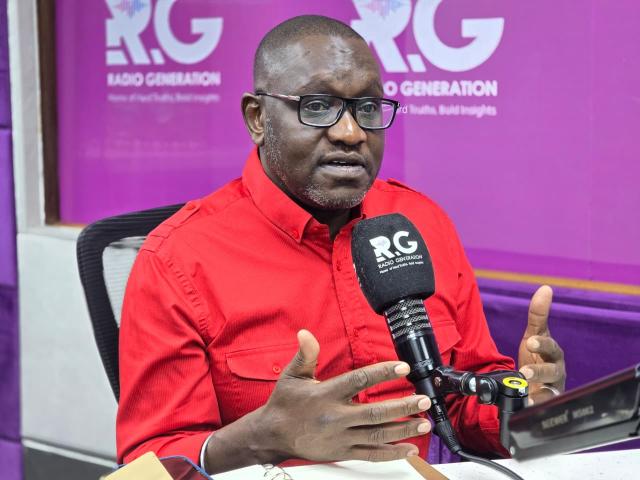
Speaking on Radio Generation on Friday, Aukot alleged that political actors went to great lengths to block the bill, including influencing Members of County Assemblies (MCAs) to vote against it. He described the initiative as a strategy to save billions in government spending while enhancing accountability in public office.
“The bill would have reduced the number of Members of Parliament to 100, structured as one man and one woman from each of the 47 counties, plus representatives of special interest groups. We are going to save more than 3 billion,” Aukot said, outlining the projected financial savings from cutting parliamentary positions.
The reform package also included strict anti-corruption measures. Aukot said it would bar individuals cited in corruption cases from seeking public office and set timelines for resolving corruption-related investigations. “If today, you are a governor, how long will it take you as a witness to confirm that you stole that money?” he asked, adding that audit reports should be sufficient grounds for prosecution.
The Punguza Mizigo bill, introduced in 2019 under a constitutional amendment initiative, sought to lower governance costs, simplify the voting process, and deepen devolution to the ward level.
The proposal gathered over 1 million endorsements and was submitted to county assemblies for consideration. It recommended using national ID cards for voter registration, introducing faster prosecution of corruption cases, and emphasizing service delivery at the grassroots.
Aukot said the plan was developed in consultation with auditors and accountants to ensure proper financial oversight. However, he alleged that attempts to defeat it in county assemblies were fueled by bribes and resistance from political elites. “1.5 billion Kenya shillings bribing MCAs to shoot it down,” he claimed, though he did not provide further evidence during the interview.
He argued that opposition stemmed from fear that the reforms would reduce the number of political offices and disrupt existing power structures. The bill also proposed a simplified electoral system inspired by digital financial transactions, comparing it to the M-Pesa platform widely used in Kenya. Aukot said the reforms included electronic mechanisms to verify voter identities through national registers.
Despite strong public support, with over one million citizens endorsing the initiative, Aukot said political interference contributed to the bill’s defeat. He also highlighted his legal victories in challenging other constitutional proposals, underlining his commitment to reform.
Aukot emphasized the need for deeper devolution, suggesting that funds should reach the 1,450 wards directly rather than being concentrated at county headquarters. Drawing on his experience abroad, he compared Kenya’s system to the United Kingdom, where local authorities manage essential services, and questioned whether all 47 counties are necessary for efficient governance.
He also criticized low citizen participation in politics, reminding Kenyans that abstaining from voting still influences outcomes. “Abstaining is participation,” he said, urging greater public engagement in governance decisions.
The Thirdway Alliance leader further pointed out administrative hurdles posed by the Independent Electoral and Boundaries Commission during candidate registration, which he said were eventually resolved through legal challenges.
Aukot concluded that Kenya’s political transformation depends on citizen involvement, structural reforms, and a shift in development priorities toward local communities rather than coalition politics or personality-driven campaigns. He stressed that his focus remains on reducing government spending, strengthening anti-corruption systems, and promoting governance that delivers services directly to citizens.



Comments
Sign in with Google to comment, reply, and like comments.
Continue with Google