New Bill hands ministries more power over PPP contracts
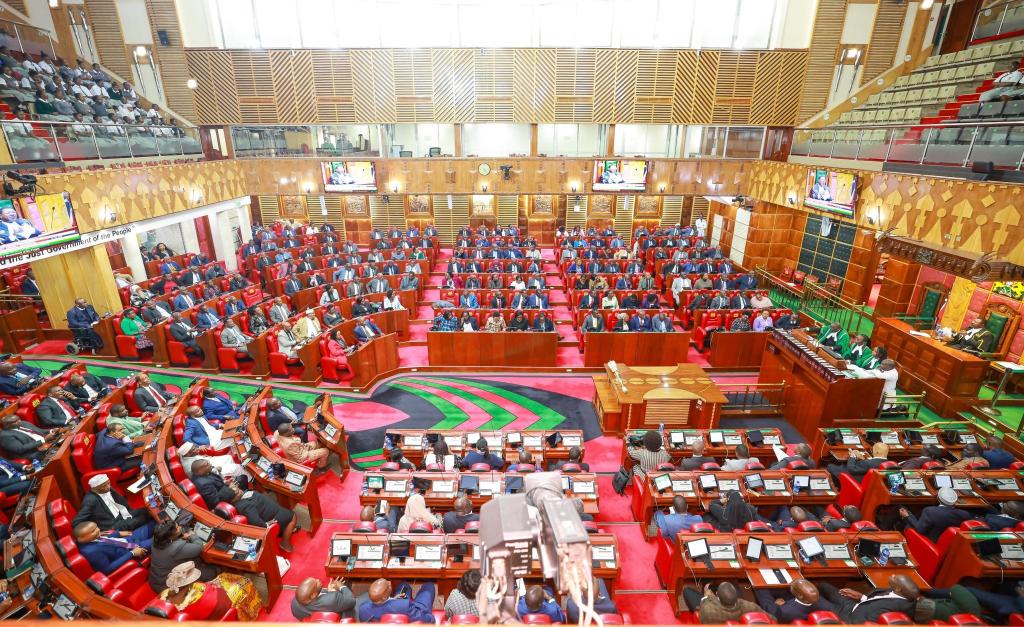
If approved by Parliament, the changes will allow the agencies to identify and award successful bidders without the PPP Directorate reviewing their tender evaluation reports.
According to a public notice published in the MyGov publication of July 14, 2026, the launch will take place at the Kenyatta International Convention Centre (KICC) from 8:30 a.m. and will bring together government officials, lawmakers, stakeholders and members of the public.
In a public advertisement issued on July 13, 2026, the Treasury said the successful candidate will provide strategic, commercial, and operational leadership to the Fund, which is expected to mobilise domestic and international capital for large-scale infrastructure projects.
Financial experts have asked the National Treasury to stop giving large allocations to ministries and county governments that repeatedly fail to use the money within the financial year.
The newly appointed board members are James Mworia Mwirigi, Fahima Ali Ahmed Zein, Christopher Kibui Maranga, Latoya Ouna, Lawrence Kibet and Mohammed Abdirahman Hassan.
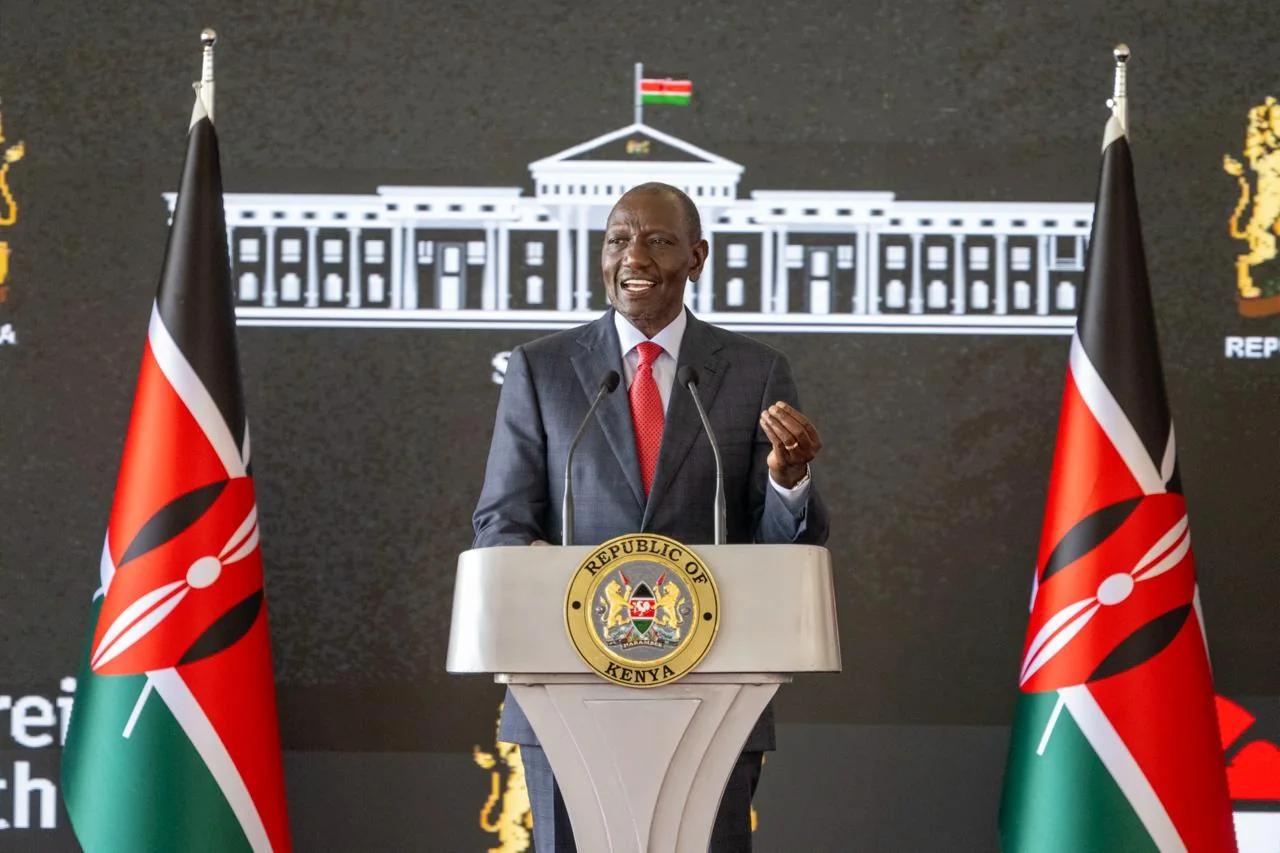
Ruto recalled that he was outside the country attending his daughter's graduation when Parliament continued holding consultations, saying he closely monitored the progress despite being away.
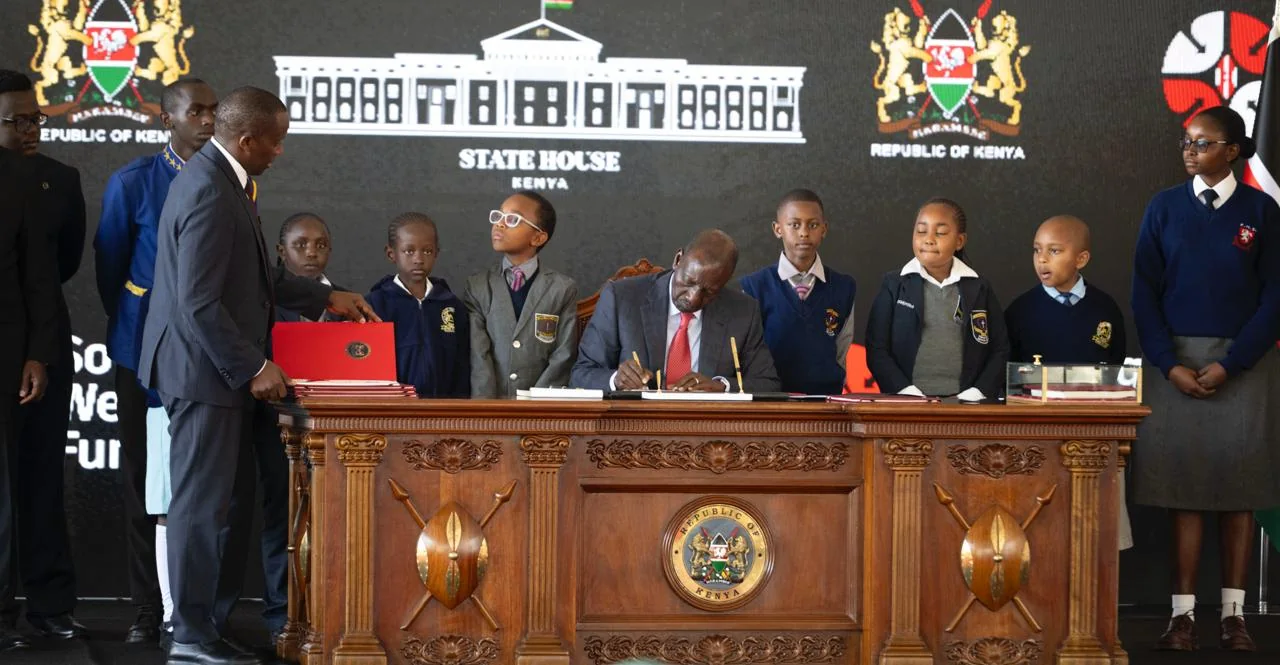
The new law creates a legal and institutional framework for the establishment, governance and management of the Sovereign Wealth Fund, fulfilling a commitment President Ruto made during his 2025 State of the Nation Address to establish a long-term national savings vehicle alongside the National Infrastructure Fund.
If approved, the Bill will repeal the laws that created six regional development authorities and transfer their functions, assets, liabilities, rights and obligations to the National Treasury or another state department that may be appointed by the Cabinet Secretary for the National Treasury.
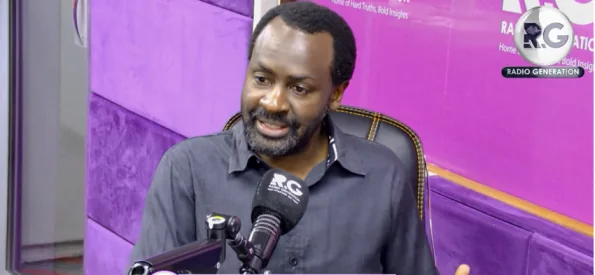
Speaking on Radio Generation on Tuesday, Mwinamo argued that SACCOs remain one of the few reliable financing options for small and medium-sized enterprises (SMEs), many of which struggle to access bank loans.
The planned dissolution is contained in the Regional Development Authorities Laws (Repeal) Bill, 2026, which proposes repealing the laws that established the six agencies, some of which have operated for decades
He questioned why the government did not wait for the High Court to deliver its judgment before completing the transaction, saying the move undermined confidence in constitutional litigation
In a statement issued on Wednesday, the Judiciary welcomed the approval, saying the expansion had become necessary due to increasing pressure on its current facilities.
The strategy is designed to protect lives, livelihoods and economic development by embedding disaster preparedness into public financial planning through to 2030.
The National Treasury on Tuesday released Sh35.27 billion to counties for May, while Treasury Cabinet Secretary John Mbadi assured senators that the June allocation of Sh33.20 billion would also be sent before the financial year comes to an end.
The case names the Cabinet Secretary for Roads and Transport, the Kenya Airports Authority (Kenya Airports Authority), the National Treasury Cabinet Secretary and the Attorney-General as respondents.
The law is tied to the Sh4.8 trillion national budget for the 2026/27 fiscal year, which the government aims to finance through the measures outlined in the Bill.
The Finance Bill 2026, proposed several tax changes, including a deemed 5% tax on imported second-hand clothing (mitumba) based on customs value, which traders would pay at the point of importation
The Equalisation Fund was established to help regions that have historically lagged behind gain access to basic services available in other parts of the country
Budget documents tabled in the National Assembly show the National Intelligence Service (NIS) recording the highest upward revision of Sh3.5 billion, increasing its allocation to Sh64.9 billion.
Treasury Cabinet Secretary John Mbadi said Kenya’s economy continued to post positive growth across various sectors, even as it faced the effects of geopolitical tensions and climate-related disruptions.
According to Mbadi, the platform is a key component of ongoing efforts to improve management of public resources by making procurement processes more open, efficient and easier to monitor.
According to the 2026/27 Budget Estimates presented last week by National Treasury Cabinet Secretary John Mbadi, the Higher Education Loans Board has been allocated Sh56.3 billion against a required Sh112.1 billion to support about 1.38 million students.
According to the report, the government spent Sh222.7 billion repurchasing Eurobonds between March 2025 and February 2026. The transactions included a Sh78.3 billion buyback in March 2025, Sh86.3 billion in October 2025 and another Sh58.1 billion in February 2026.
Tax collections remained the backbone of State revenue, contributing Sh1.72 trillion, or about 54 percent of total inflows. This also reflected an increase of Sh138.2 billion from the previous year.
National Treasury says Finance Bill 2026 will amend the Tax Procedures Act so collection for Commissioner-favourable judgments only stops with a stay order. Business leaders and tax experts warn it may pressure firms during ongoing tax appeals and tribunal processes.
With the latest position, the total tax burden on imported mobile phones is expected to ease only slightly, dropping to about 50 per cent from the current 54.5 per cent, rather than the sharp reduction that had been anticipated.
Presenting the budget statement on June 11, 2026, National Treasury Cabinet Secretary John Mbadi said a secure environment is a prerequisite for sustained economic activity and investor confidence.
The funds will go to hospitals and clinics whose confirmed claims do not exceed Sh10 million, as the State moves to address a backlog of unpaid bills estimated at between Sh30 billion and Sh33 billion across the country.
Wetang’ula emphasized that the Constitution does not place any obligation on the President to attend the budget presentation, noting that the process is handled by the National Treasury and Parliament.
John Mbadi arrived at Parliament Buildings with a marked budget vehicle and security escort ahead of the 3pm Budget reading for 2026/27, where he is expected to present Sh4.84 trillion spending.