
Concerns over the credibility of Kenya’s voter register have returned to the spotlight, with Transparency International Kenya calling for the removal of names belonging to deceased voters before the country heads into the 2027 General Election.
TI Kenya Executive Director Sheila Masinde said the voter register needed to be carefully reviewed to deal with long-standing questions about its accuracy and reliability.
She said the concerns had been raised during previous election periods and had also emerged in presidential and other election petitions, making the register one of the areas that should be dealt with before the next polls.
Speaking in an interview on Monday, August 10, 2026, Masinde said a detailed review of the register was necessary to ensure that records were up to date.
"We need a thorough audit of the register so that those voters, for instance those who were deceased, and names that need to be removed are removed before then because there have always been questions around that," Masinde stated.
She warned that failure to resolve the concerns could affect public confidence in the electoral process.
“If those are not addressed then you will not win the much public confidence that we need to have.”
Masinde said one way of improving the accuracy of voter records would be to connect information in the IEBC register with data maintained by the Civil Registration Services.
Such an arrangement, she said, would help in identifying records that need to be updated and make it easier to keep the register accurate.
Ten reforms proposed
The voter register review is part of a wider set of changes that TI Kenya wants implemented before the 2027 election.
Masinde said the organisation, together with its partners, had developed a “10 minimum reform agenda” after examining lessons from previous elections and observations from recent by-elections.
She said the proposals were developed using a scientific methodology and were intended to provide practical measures for improving the electoral process.
The organisation plans to engage different stakeholders on the proposals, including Parliament, over the next six to nine months.
Masinde said the period would also provide an opportunity to address any changes that may be required in the Elections Act and subsidiary regulations.
She said the necessary amendments should be completed before the end of the year to allow enough time for their implementation before the 2027 polls.
Violence, bribery among concerns
TI Kenya's reform proposals cover several other areas of the electoral process.
Masinde identified the management of election results, electoral violence and insecurity, enforcement of penalties for electoral offences and campaign financing among the areas requiring attention.
She also raised concerns over voter bribery, intimidation and the use of public resources during elections.
According to Masinde, the organisation's work has not stopped at identifying weaknesses in the electoral system.
She said TI Kenya had also set out proposed solutions, timelines for action and the specific actors expected to implement the reforms.
The organisation wants the measures handled within the proposed timelines as the country moves closer to the 2027 General Election.
IEBC continues voter registration
The demand for a review of the register comes as the Independent Electoral and Boundaries Commission (IEBC) continues its preparations for the next General Election.
The commission announced in late April 2026 that 2,345,476 people had been registered during the first phase of its Enhanced Continuous Voter Registration exercise.
The registration exercise was held between March 30 and April 28, 2026.
It pushed the total number of new voters registered since the resumption of continuous voter registration in September 2025 to 2,612,725.
IEBC said the exercise was conducted at 30,615 registration centres spread across the country's 290 constituencies and 1,450 wards.
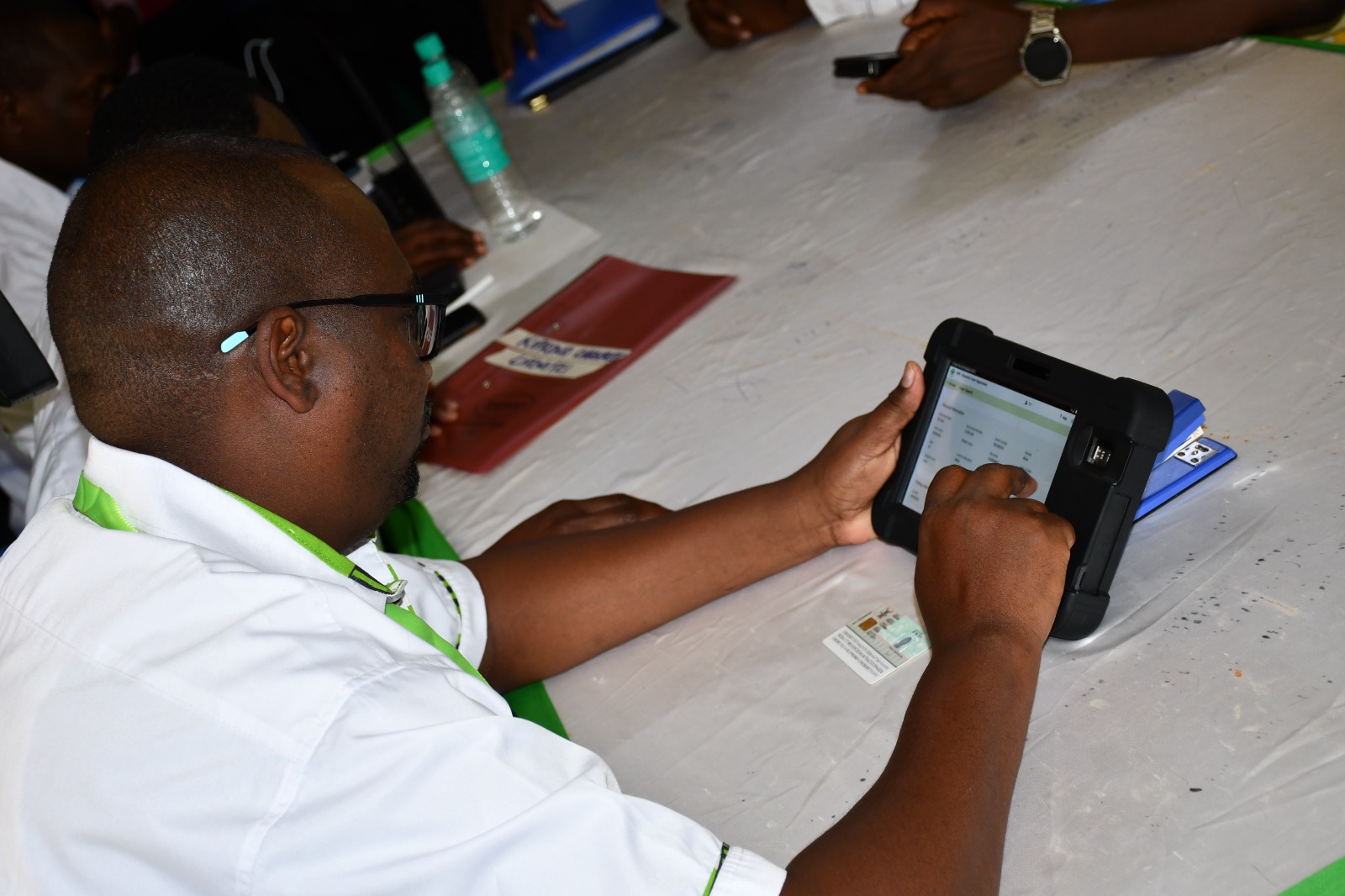
The commission deployed 12,520 registration officials and 5,390 KIEMS kits to support the exercise.
Registration was also carried out at Huduma Centres and institutions of higher learning as IEBC sought to reach more young people and first-time voters.
IEBC Chairperson Erasmus Ethung’ Ethekon thanked Kenyans and other stakeholders who took part in the exercise, saying it provided a foundation for an inclusive and credible 2027 election.
Masinde said the other proposed electoral changes should now be pursued within the timelines set under the reform agenda as stakeholders work towards the next General Election.