Kenyan Transgender Network calls for visibility and legal reform
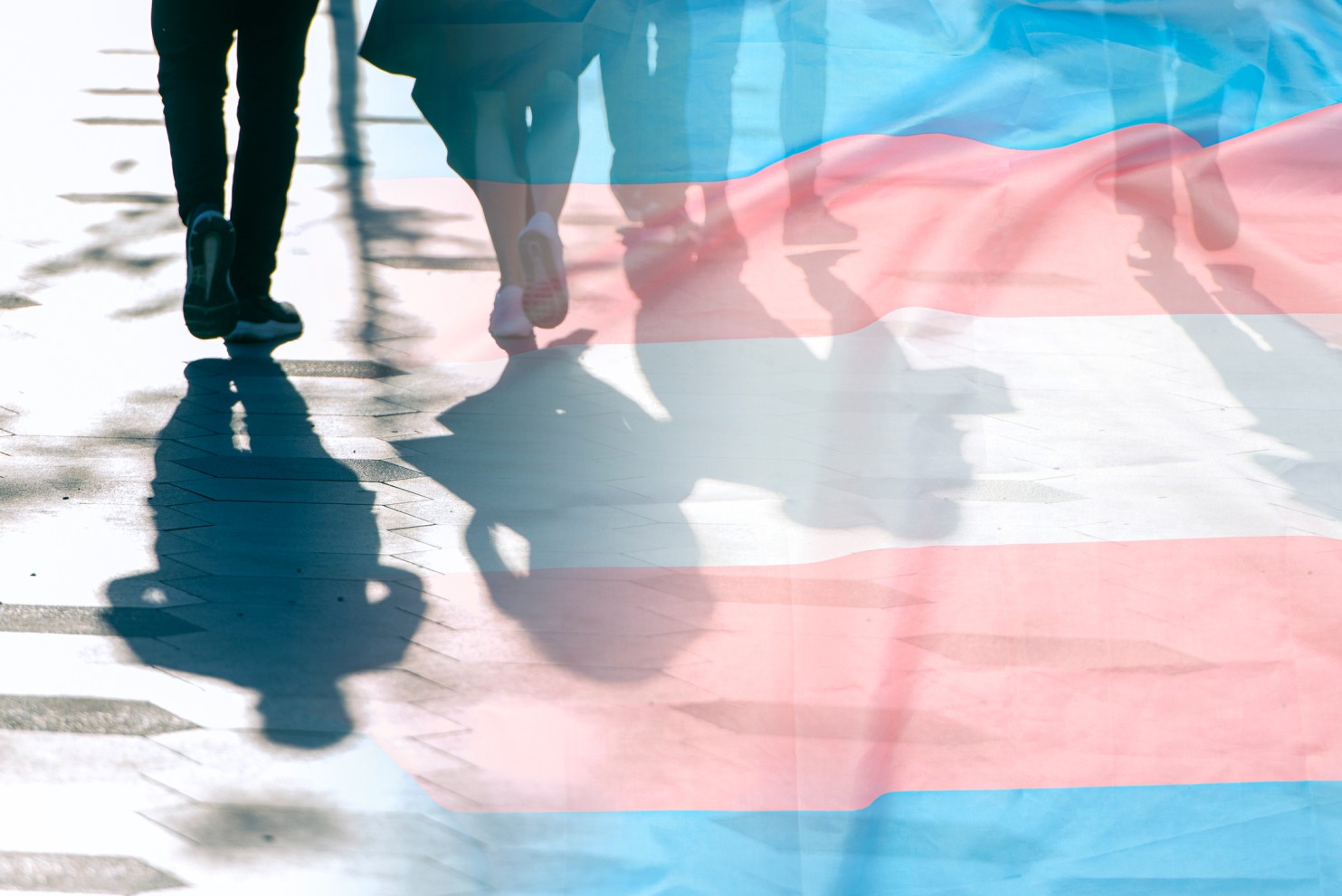
The group says transgender people face rising global and local challenges but notes progress towards legal gender recognition.
The National Transgender Advocacy Network on Tuesday, called for legal recognition, inclusive healthcare and greater visibility, marking Transgender Day of Visibility 2026.
The group says transgender people face rising global and local challenges but notes progress towards legal gender recognition.
It emphasised shared humanity, economic contribution and the need for safety, dignity and inclusion across Kenyan society.
In a statement released in Nairobi on March 31, 2026, the network said the annual observance comes at a time of heightened global and local challenges for transgender communities.
“Today, the National Transgender Advocacy Network of Kenya (NTAN) joins the global community to mark the Transgender Day of Visibility (TDOV). In a world that often demands our silence, our visibility is a radical act of self-sovereignty,” the statement read.
Operating under the campaign theme #JustLikeYou, the organisation said it aims to highlight the lived experiences of transgender Kenyans while countering misinformation and exclusion.
“We celebrate the vibrant, diverse, and resilient lives of Transgender Kenyans who are no longer waiting for permission to exist in the light,” it said.
The group warned of what it described as a growing wave of geopolitical pressure affecting transgender rights globally, noting that such dynamics have direct implications for local advocacy.
“We recognize that we are organizing in a period of intense geopolitical galvanization targeting Trans movements, our identities are being debated in high-level chambers as if our humanity were a matter of opinion,” the statement said.
It added that visibility remains a central tool in advocacy efforts.
“We don’t just want to be seen, we want to be heard in the rooms where decisions about our lives are made,” the organisation stated.
Healthcare access emerged as a key concern, with the network criticising the politicisation of gender-affirming care.
“The weaponization of Gender-Affirming Care (GAC) in global health diplomacy has attempted to turn our bodies into bargaining chips,” the statement said.
It argued that such developments have worsened health inequalities for transgender people.
“This statecraft has plunged many Trans people’s lives onto the frontlines of health inequity,” it added.
The organisation called for reforms to Kenya’s healthcare system to ensure dignity and autonomy.
“Gender-affirming care is a fundamental component of the right to health. We advocate for a future where medical systems in Kenya recognize our dignity and provide care that is rooted in autonomy rather than pathologization,” the statement said.
The network also highlighted progress in legal advocacy, pointing to what it described as a “historic turning point” after more than a decade of activism.
“After 14 years of strategic movement-building, we are closer than ever to the fulfillment of Legal Gender Recognition (LGR),” it said.
According to the organisation, legal recognition would secure fundamental rights including privacy, dignity and self-determination.
“The right to gender self-determination, dignity, and privacy is no longer a distant aspiration, it is a ripe opportunity for immediate legal reform,” it said.
The statement framed transgender rights within broader Kenyan social and economic life, emphasising shared experiences and contributions.
“Trans Kenyans are #JustLike You. We are the ‘Hustlers’ of the Republic, we contribute to the tax bracket and the economic heartbeat of Kenya,” it said.
It also reaffirmed the role of transgender people within communities and cultural structures.
“We are the fabric of the Kenyan community, our lives are not a ‘foreign ideology’, they are a fundamental Kenyan reality rooted in our ancestral soil,” the network stated.
On civic participation, the organisation stressed safety and inclusion as central concerns.
“Like every Kenyan, our political aspiration is simple. Safety, a demand for the protection of our physical and moral integrity,” it said.
The group further linked its demands to broader continental frameworks.
“We advocate for a ‘Satisfactory Environment’ as promised by the African Charter, one where our surroundings are not a threat to our health or a barrier to our livelihoods,” it added.
Concluding its statement, the network reaffirmed its commitment to advocacy and inclusion.
“Our lives are a Kenyan reality. Our joy, our struggles, and our resilience are the same threads that bind this nation together,” it said.



Comments
Sign in with Google to comment, reply, and like comments.
Continue with Google