Senator Cherargei urges tougher county graft probes, special courts
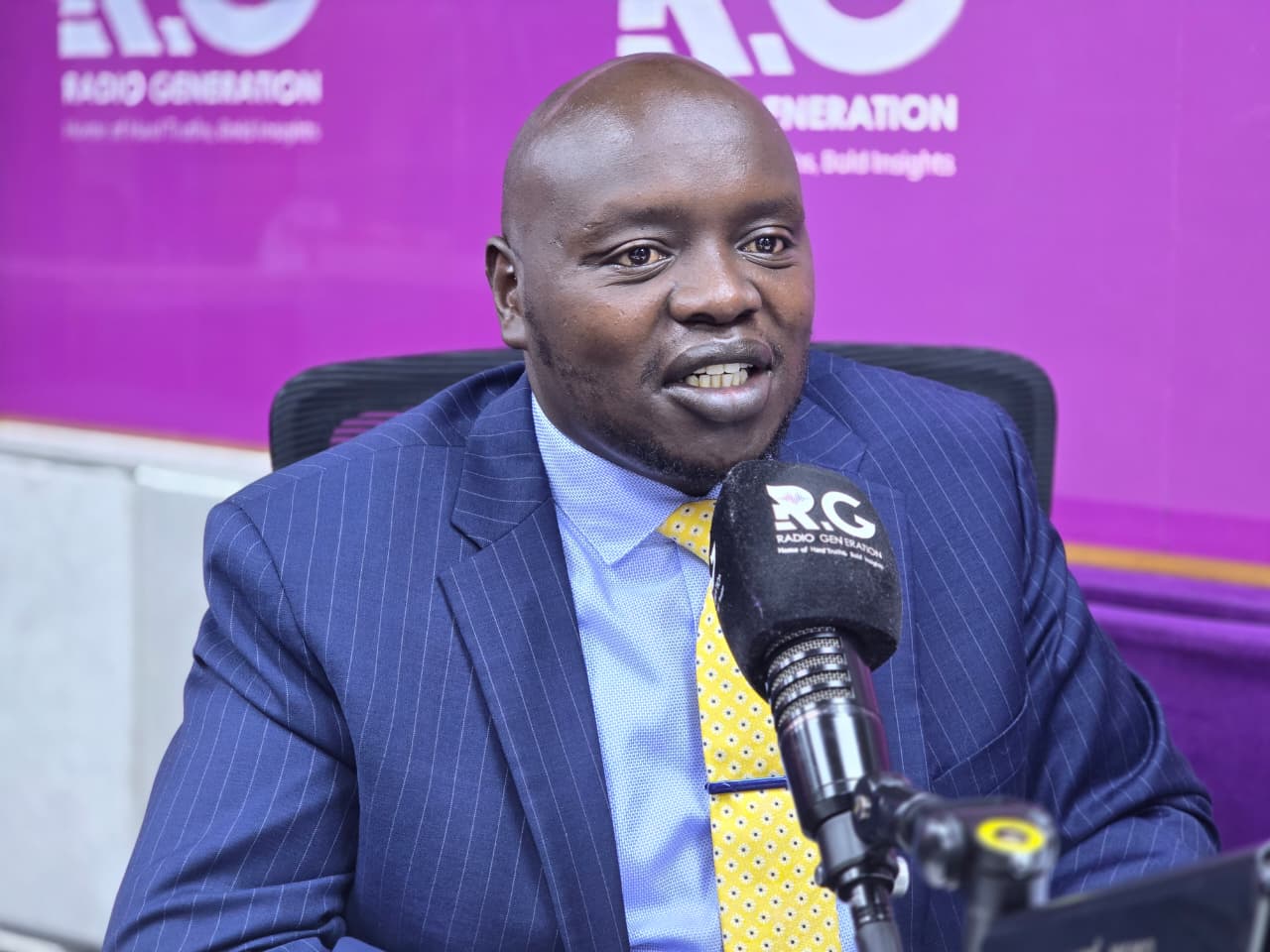
Nandi Senator Samson Cherargei accuses EACC and DCI of weak action on county corruption, warning that inaction undermines devolution and urging faster prosecutions, tougher penalties and specialised anti-graft courts.
Nandi County Senator, Samson Cherargei, has accused the Ethics and Anti-Corruption Commission and the Directorate of Criminal Investigations of failing to enforce accountability in counties, arguing that weak investigations and inaction have enabled widespread corruption and undermined devolution, despite Parliament issuing binding recommendations to tackle misuse of public funds across the country.
Speaking on Wednesday during a Radio Generation interview, the senator singled out the Ethics and Anti-Corruption Commission (EACC) and the Directorate of Criminal Investigations (DCI), claiming they have not acted decisively on corruption allegations involving county governments.
“It is the EACC and DCI who are failing the devolution,” he said.
He argued that despite Parliament raising concerns and making recommendations, enforcement agencies have not taken sufficient action.
“By the design of our Constitution, Parliament only recommends, EACC investigates and the DPP prosecutes,” he said.
Cherargei suggested that the failure to act on corruption cases has created a culture of impunity within county governments.
He questioned why repeated allegations against public officials rarely lead to prosecutions or convictions.
“People are wondering, what is Parliament doing? The only thing we can do is recommend,” he said.
According to him, the lack of visible consequences has weakened public confidence in oversight institutions.
The senator linked the alleged enforcement failures to broader concerns about misuse of locally generated revenue, saying that Kenyans pay parking fees, market fees, land rates, but when audit is being done, the money can't be accounted for what it has done.
The Senator also criticised counties for failing to update property valuation rolls, which he said limits their ability to maximise revenue.
Cherargei further alleged that some counties are making unlawful payments without proper oversight.
He claimed that some funds are being channelled to the Council of Governors through subscription fees. “We have said that the payment of Sh5 million to council of governors illegal,” he said.
He argued that such expenditures should be investigated and prosecuted.
“We have recommended to EACC to prosecute counties who are paying illegal subscription fees,” he added.
The senator called for tougher action by investigative agencies, including faster handling of corruption cases.
“It doesn’t make sense somebody who is facing corruption charges is being prosecuted for five to 10 years,” he said, proposing that such cases be concluded within a fixed timeframe.
He also suggested stricter penalties for those found guilty. “If somebody has stolen Sh100 million, they must pay and must go to jail,” he said.
The Senator proposed structural reforms to strengthen accountability, including the creation of specialised courts. He said there is need for the government to have an anti-corruption court so as to have efficiency and transparency in government.
He also suggested expanding enforcement powers to ensure compliance with parliamentary oversight.
“We might request parliamentary police to detain fugitives of accountability,” he said.
The senator warned that continued inaction by oversight agencies risks undermining the objectives of devolution. “My only sadness is that we did devolve corruption in our counties,” he said.
He maintained that while Parliament has played its role by issuing recommendations, meaningful change depends on enforcement by investigative and prosecutorial bodies.
“All it requires is the implementation by the requisite agency,” he said.
The remarks highlight ongoing concerns about governance and accountability within Kenya’s devolved system, with renewed focus on the role of institutions tasked with investigating and prosecuting corruption cases.



Comments
Sign in with Google to comment, reply, and like comments.
Continue with Google