
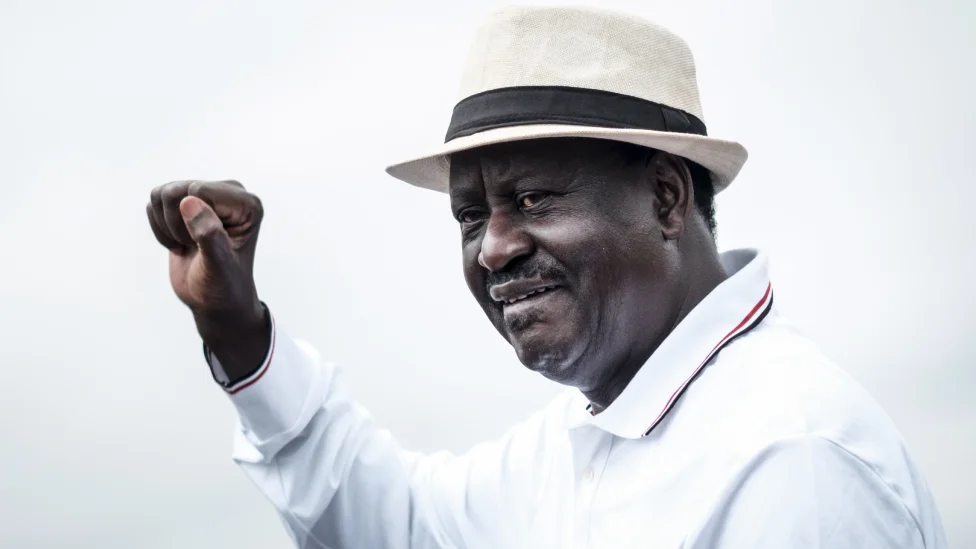
From a campaign refrain that rallied supporters to songs that brought mourners to tears, the late Raila Amolo Odinga inspired musicians to capture different chapters of his life through music, creating a collection of songs that reflected his political journey, the hopes he represented and the grief that followed his death.
Over the years, artists drawn from Ohangla, Benga, gospel and hip-hop used their music to tell stories about Raila’s presidential ambitions, his long fight for political change and his connection with supporters. While some songs were composed to rally voters behind his candidacy, others emerged after his death on October 15, 2025, as musicians sought to express feelings that words alone could hardly convey.
The songs also reflected the different ways artists related to the former Prime Minister. For some, composing a tribute was a personal decision driven by admiration for his political journey. For others, the announcement of his death was an immediate call to record music in his honour.
From older compositions that took on a new meaning during the mourning period to fresh tributes released within days of his passing, the music offered a way for supporters to remember a leader whose influence extended beyond politics.
Onyi Papa Jey: The story behind ‘Tiinga’
For Ohangla musician Onyi Papa Jey, the decision to compose a campaign song for Raila came from his own desire to contribute to the former Prime Minister’s presidential ambitions.
In an interview with local media, the singer recalled noticing that supporters needed a suitable song to rally behind Raila, prompting him to take the initiative and create one.
“I saw it as my own contribution, so I decided to compose the song. Nobody asked me to write it.”
The resulting track, popularly known as Tiinga, brought together Kiswahili and Dholuo, giving it a local identity while making it accessible to a wider audience.
Its memorable call-and-response refrain, “Wakenya mnataka nani? Tinga,” made it easy for supporters to sing along during campaign gatherings. The repeated question and answer also gave the song the kind of rhythm that could turn a political message into a shared experience.
Papa Jey explained that his intention was to highlight Raila’s political record while encouraging voters to support his presidential bid.
The song reflected the role musicians can play during political campaigns, where music often becomes a way to communicate messages, build enthusiasm and bring supporters together. In Papa Jey’s case, the initiative was not driven by a formal request from a campaign team but by his personal decision to contribute through his talent.
For him, songwriting offered a way to participate in a political moment that mattered to him, turning his support into a melody that could be shared by thousands of other people.

Lady Maureen: When an old song became a farewell
The late Ohangla musician Maureen Achieng’, popularly known as Lady Maureen, left behind a song that acquired a deeper emotional meaning following Raila’s death.
Her composition, Raila Duogi Dala, which translates to “Raila, come home”, had been recorded years before the former Prime Minister died. However, the song took on a different significance in October 2025, when Kenyans began mourning his passing.
What had once been a musical appeal for Raila to return home became a poignant expression of longing for a leader who would no longer return. The song was played at public gatherings and circulated widely on social media as supporters searched for ways to express their grief.
A report by Kisii Press Club described how the track, which runs for more than 12 minutes, became an unofficial soundtrack to Raila’s final journey.
Its renewed popularity showed how music can take on a new meaning when the circumstances surrounding it change. Lyrics written at one point in a person’s life can later speak to an entirely different experience, particularly when listeners connect them to loss and remembrance.
Lady Maureen’s song therefore became more than an old musical release. It provided a familiar voice through which mourners could revisit memories of Raila and reflect on his place in their lives.
Although the singer had also passed away, her work continued to reach audiences during the mourning period, showing how an artist’s music can outlive them and become part of a community’s collective memories.

Prince Indah: Composing through grief
For Ohangla star Prince Indah, Raila’s death inspired a new composition titled Wuod Oganda, Amolo 3 in 1.
Released shortly after news of the former Prime Minister’s death, the song drew on familiar names associated with Raila, including Baba, Agwambo and Jakom. Through Luo musical traditions, Indah expressed the loss of a leader whose identity had become deeply connected to the cultural and political life of the region.
The tribute formed part of the immediate musical response to Raila’s death, as artists sought to put their emotions into songs that could be shared by grieving supporters.
Indah’s connection to that period remained evident nearly a year later. On October 2, 2026, he performed at the Raila memorial candle-lighting ceremony at Uhuru Park, returning to a setting where music and remembrance came together.
Reflecting on the experience, the musician described the performance as emotionally difficult.
“A painful performance. A sad moment to stand in front of the crowd, BABA,” he wrote on his Facebook page.
His words captured the challenge of performing before people who were still reflecting on the loss of a political figure they had supported and admired.
For musicians who compose songs in response to death, the work may continue long after the recording has been released. Performing such a song at a memorial can bring back the feelings that inspired it, while placing the artist in direct contact with the grief of an audience.
Indah’s experience showed how tribute music can serve both as a record of loss and as a way for people to come together to remember someone whose life touched them.Elisha Toto: A new voice joins the remembrance
The wave of tributes also created space for artists outside Kenya’s biggest entertainment names.
Ohangla musician Elisha Toto released Tribute To Raila Amolo Odinga on October 16, 2025, a day after Raila’s death.
The song, produced by Suba Kings Studio in collaboration with Chris Muziki, drew on the storytelling rhythms of Ohangla. It subsequently attracted national attention through radio, television and social media.
His experience shows how musicians can respond to a national event almost immediately, using familiar cultural sounds to communicate emotions that audiences are already experiencing.

King Kaka and Christina Shusho: Different genres, shared grief
Kenyan rapper King Kaka released Huu Wimbo Ni Wako Baba on October 16, 2025, blending reflective verses with a tribute to Raila’s political struggles and democratic legacy.
His approach differed from the danceable rhythms of Ohangla, leaning towards spoken-word storytelling and hip-hop to reflect on the sacrifices associated with Raila’s long political journey.
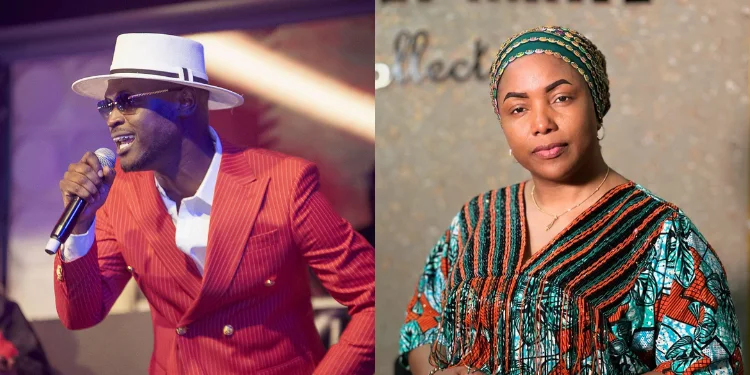
Across the border, Tanzanian gospel singer Christina Shusho released Pumzika Baba, a Kiswahili tribute that remembered Raila as a reformer and advocate of ordinary people.
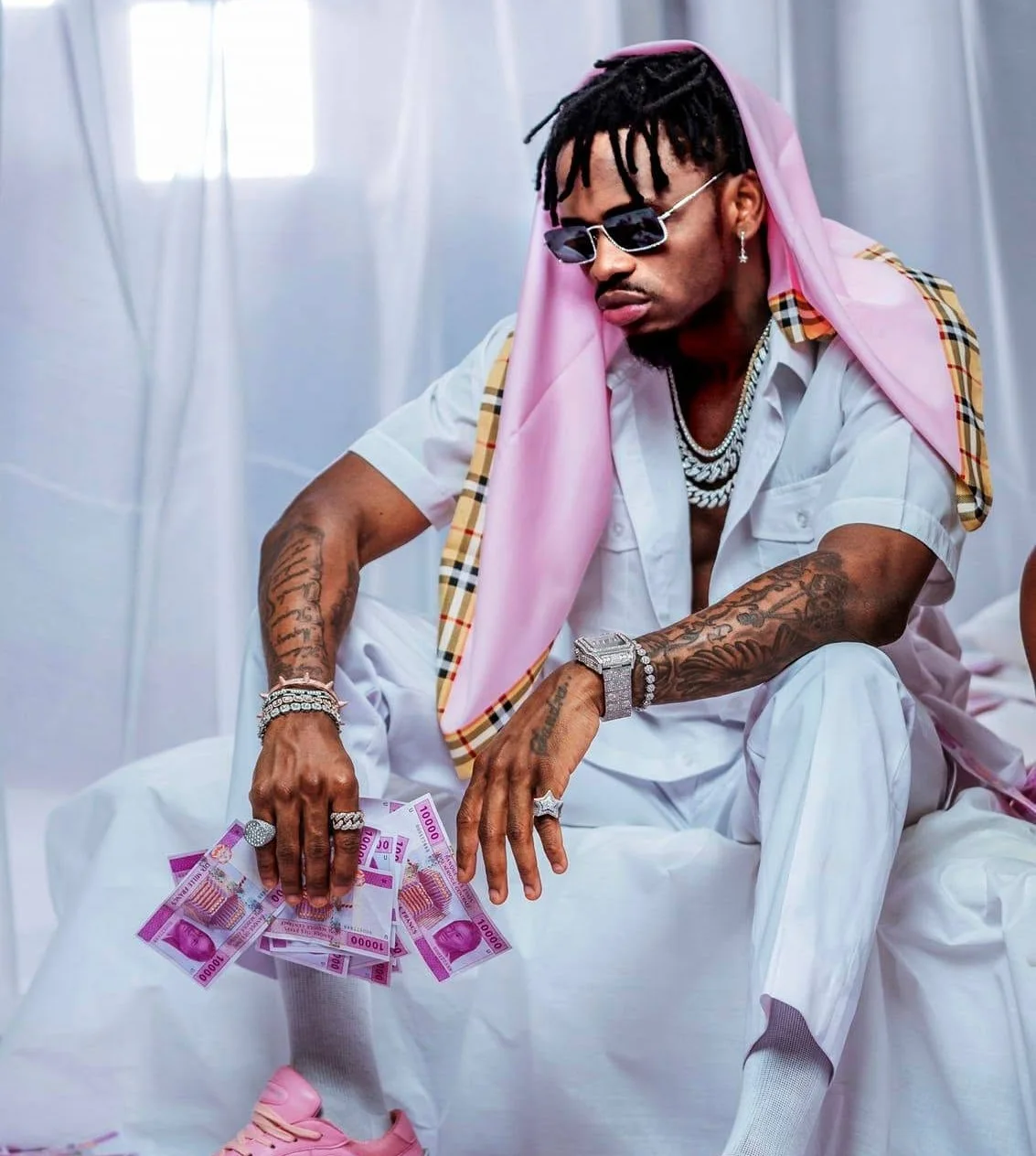
Diamond Platnumz also brought together Rayvanny, Mbosso and Zuchu for Ulale Salama Raila Odinga, demonstrating how the mourning extended beyond Kenya’s music industry.
Azziad’s call for a united musical tribute
As individual musicians released their own songs in Raila’s honour, the response also sparked a discussion about whether Kenyan artists could come together to produce a collective tribute.
On October 17, 2025, actress and digital content creator Azziad Nasenya called on Kenyan musicians to unite and record a single song dedicated to the late former Prime Minister.
She pointed to the collective tribute released by Tanzanian artists following the death of former president John Pombe Magufuli in 2021 as an example that Kenya could consider.
Her proposal raised the possibility of bringing artists from different genres and backgrounds together for one composition, complementing the individual songs that had already emerged after Raila’s death.
Such a project would offer musicians an opportunity to combine their different styles and audiences in a single musical statement, reflecting the diversity of Kenya’s entertainment industry.
The call also highlighted the scale of the response to Raila’s passing, with music becoming one of the ways people discussed, remembered and mourned him.
How music preserved Raila Odinga’s story
The songs dedicated to Raila reflect the different stages of his public life and the many ways musicians responded to his influence.
Some, such as Papa Jey’s Tiinga, were created during his political campaigns to rally supporters and promote his presidential ambitions. Others, including Lady Maureen’s Raila Duogi Dala, gained renewed meaning after his death, while artists such as Prince Indah, Elisha Toto and King Kaka responded to the loss with new compositions.
Christina Shusho and Diamond Platnumz, alongside other Tanzanian musicians, extended the tributes beyond Kenya, while Azziad Nasenya’s proposal brought attention to the possibility of a joint musical farewell.
Together, the songs form a record of how a political figure was remembered through different musical traditions, from the communal rhythms of Ohangla to the reflective verses of hip-hop and the messages of gospel.
For Raila’s supporters, the music offers more than entertainment. It brings back memories of campaign gatherings, political struggles, shared aspirations and the sorrow that followed his death.
As the songs continue to circulate and find new audiences, they preserve the emotions attached to his journey, allowing musicians and listeners alike to revisit the moments that shaped his public life.
In this way, Raila’s story continues to be told not only through political history, but also through the melodies, lyrics and performances that have become part of his legacy.