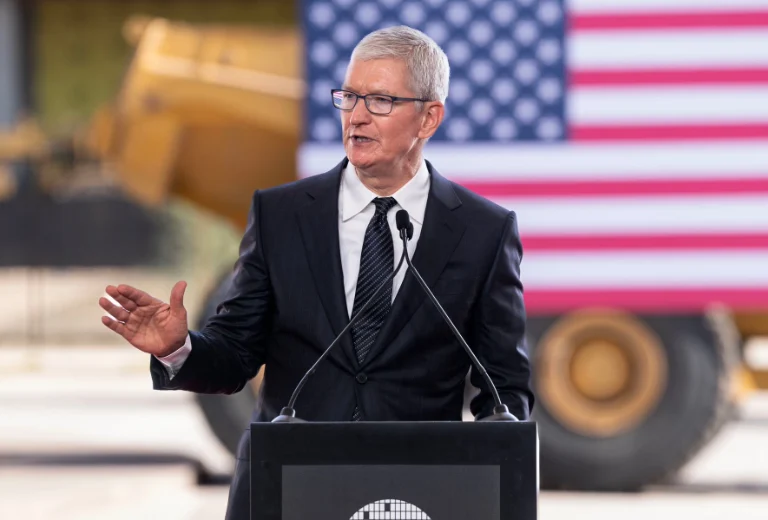
Apple is ushering in a new era after announcing that John Ternus will take over as chief executive, bringing to a close Tim Cook’s long run leading the global technology firm.
The transition is set for 1 September, with Cook remaining in charge in the coming months to guide the handover before stepping into the role of executive chairman.
The leadership shift comes after years of steady growth under Cook, who assumed control of the company in 2011 following the resignation of co-founder Steve Jobs due to ill health.
Cook will stay on through the summer to work closely with Ternus and ensure a smooth transition, after which he will “assist with certain aspects of the company, including engaging with policymakers around the world”.
His exit from the chief executive position follows sustained talk that Apple was preparing for a new leader. During his time in charge, Cook oversaw a dramatic rise in the company’s value, including a milestone in 2018 when it became the first publicly traded firm to hit a $1 trillion valuation. Today, the company is valued at $4 trillion, cementing its position among the most powerful businesses globally.
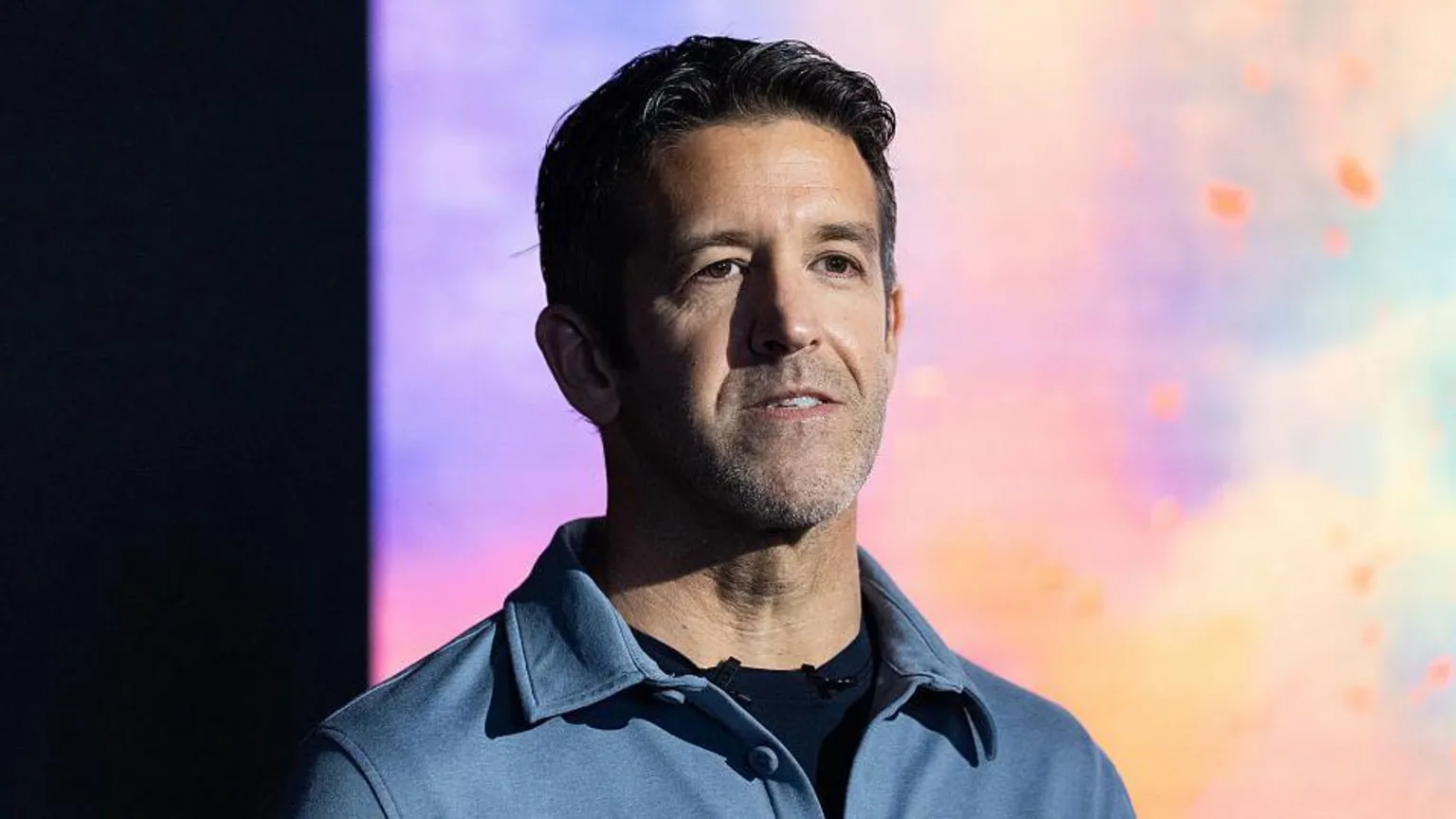 John Ternus will become Apple's chief executive in September, 2026.PHOTO/GETTY IMAGES
In endorsing his successor, Cook described Ternus as a “visionary” executive with “the mind of an engineer, the soul of an innovator and the heart to lead with integrity and honour”. He added: “He is without question the right person to lead Apple into the future.”
Ternus, who has spent 25 years at the company, currently oversees hardware engineering and has played a central role in shaping many of Apple’s flagship devices. His work spans every generation of the iPad, several versions of the iPhone, as well as the debut of products such as AirPods and the Apple Watch. He also led the shift to in-house processors for Mac computers, a move seen as a key turning point for the company’s hardware strategy.
Having worked under both Cook and Jobs, Ternus pointed to the influence of his predecessor, calling Cook his “mentor.” He said: “I am filled with optimism about what we can achieve in the years to come.”
His elevation to the top job is widely seen as a signal that Apple may place greater emphasis on product development. While Cook is credited with strengthening the company’s financial position and expanding its global reach, critics have often argued that Apple has not introduced a groundbreaking product comparable to the iPhone during his tenure.
Analysts say the company still leans heavily on its smartphone business as it searches for its next major source of growth. There is now expectation that Ternus will push for fresh ideas and avoid the pattern of small, gradual updates that some observers say has slowed Apple’s pace of innovation.
Others believe his background in hardware could open the door for more ambitious products, including foldable devices and new wearable technology such as smart glasses. The change in leadership also comes as Apple faces mounting pressure in artificial intelligence, an area where rivals have been investing heavily.
Companies like Google, Microsoft, and Meta have committed vast resources to developing AI tools, while Apple has taken a more measured approach, choosing instead to incorporate technology from OpenAI, including ChatGPT, into its systems.
Following the announcement, OpenAI chief Sam Altman wrote on X: “Tim Cook is a legend. I am very thankful for everything he has done and I am very thankful for Apple.”
Cook’s background set him apart from both his predecessor and successor. Unlike Jobs, who was known for bold ideas, and Ternus, who built his career in engineering, Cook rose through operational roles, focusing on supply chains, efficiency, and global sales. Before joining Apple, he held positions at IBM and Compaq, where he built a reputation as a strong business operator.
One of the notable releases during his leadership was the Apple Vision Pro headset, which combined virtual and augmented reality but struggled to gain widespread adoption. Despite such challenges, Cook is widely credited with turning Apple into a company defined by stability, scale, and consistent performance.
Experts say the next phase will test whether Apple can adapt to a faster-moving environment that rewards experimentation and risk-taking. The company’s structured and polished approach has long been a strength, but there are concerns it may limit its ability to move quickly in emerging areas.
As Ternus prepares to take charge, attention is now shifting to whether Apple can rediscover the spirit of bold innovation that defined its early years and position itself for the next wave of technological change.































Comments
Sign in with Google to comment, reply, and like comments.
Continue with Google