Lobby pushes for 20pc tax hike on cigarettes and nicotine products
Kenya Tobacco Control Alliance chairperson Joel Gitali told the committee, chaired by Molo MP Kuria Kimani, that the organisation has been taking part in public participation on the Finance Bill, 2026.
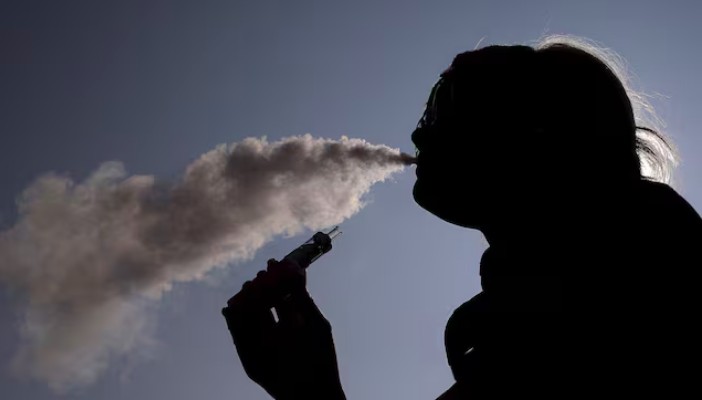
The Kenya Tobacco Control Alliance has urged Parliament to increase taxes on cigarettes, nicotine pouches, e-cigarettes and related products, arguing that the proposed rates in the Finance Bill, 2026 fall short of efforts to reduce tobacco use and protect public health.
Appearing before the National Assembly Finance and National Planning Committee last Friday, the lobby group called for amendments to Section 36 of theExcise Duty Act to introduce a 20 per cent increase across all tobacco and nicotine product categories.
The alliance, which advocates for the implementation of the World Health Organization Framework Convention on Tobacco Control, told lawmakers that the current proposals do not go far enough in addressing the growing use of tobacco and nicotine products, especially among young people.
Kenya Tobacco Control Alliance chairperson Joel Gitali told the committee, chaired by Molo MP Kuria Kimani, that the organisation has been taking part in public participation on the Finance Bill, 2026.
“The Bill as currently drafted does not sufficiently address the excise duty rates applicable to cigarettes, oral nicotine pouches, liquid nicotine for e-cigarettes, and e-cigarette delivery devices,” Gitali said.
Although the Bill proposes higher taxes for some tobacco products, the lobby maintains that additional measures are needed.
Under the proposed changes, excise duty on cigars, cheroots and cigarillos would rise from Sh16,260.29 per kilogram to Sh18,000 per kilogram. Other manufactured tobacco products would attract a tax of Sh12,550 per kilogram, up from the current Sh11,382.48 per kilogram.
However, Gitali said newer nicotine products continue to attract lower taxes compared to traditional tobacco products, a situation he warned could encourage addiction and increased use among young people.
“We are concerned that newer nicotine products such as oral nicotine pouches, e-cigarette liquids, and vape delivery systems are currently taxed at comparatively lower levels than combustible tobacco products, potentially encouraging youth initiation and addiction,” Gitali told MPs.
He also faulted the Bill for failing to propose an increase in cigarette taxes.
“The Finance Bill, 2026 as currently drafted does not propose any increase in excise duty on cigarettes from the 2024/25 rate of Sh4,100 per mille. This represents a missed opportunity to reduce tobacco affordability and consumption, particularly among youth and low-income populations.”
The alliance proposed increasing excise duty on cigarettes, whether plain or filtered, from Sh4,100 to Sh4,900 per mille.
It also wants the tax on oral nicotine pouches raised from Sh2,000 per kilogram to Sh2,400 per kilogram, while excise duty on liquid nicotine used in e-cigarettes should increase from Sh100 per millilitre to Sh120 per millilitre.
For e-cigarettes and related delivery devices, the lobby group is pushing for an increase from the current 40 per cent of retail price to 60 per cent of retail price.
According to Gitali, the Finance Bill leaves key nicotine products unchanged despite increasing consumption and health concerns.
“No rate increase is proposed for oral nicotine pouches, which remain at Sh2,000 per kg — a rate that fails to reflect the growing consumption of these products and the associated health risks,” Mr Gitali said.
“The current rate of Sh100 per ml is left unaltered despite the rapid growth of the e-cigarette market and the public health imperative to curtail youth uptake of nicotine products. The proposed rate of 40 per cent of retail price is unchanged from the existing rate, despite evidence that e-cigarettes are being aggressively marketed and adopted as alternative nicotine delivery systems.”
The organisation asked the committee to recommend amendments that would introduce a uniform 20 per cent increase on all tobacco and nicotine products.
Gitali said the proposal is backed by Article 43(1)(a) of the Constitution, which guarantees every person the right to the highest attainable standard of health.
He noted that Kenya is also bound by international commitments under the WHO Framework Convention on Tobacco Control, which encourages countries to use taxation as a tool to reduce tobacco consumption.
“Kenya is a signatory to the WHO Framework Convention on Tobacco Control and is obligated to implement tax and price policies aimed at reducing tobacco consumption. WHO recommends that tobacco taxes account for at least 70 per cent of the retail price of tobacco products,” Gitali said.
“Kenya Tobacco Control Act, 2007 (Cap. 245A) mandates the government to take measures to reduce tobacco use and protect the public from the harms of tobacco. Excise duty is the most effective single instrument for achieving this objective.”
The alliance further argued that higher taxes on tobacco and nicotine products would not only discourage consumption but also generate additional revenue for the government as the market for nicotine products continues to expand.
Gitali said increasing taxes on only selected products weakens the country's tobacco control efforts and may encourage users to switch to lower-taxed alternatives instead of reducing consumption.




Comments
Sign in with Google to comment, reply, and like comments.
Continue with Google