Kilimambogo teachers college faces scrutiny over audit gaps in finances and procurement
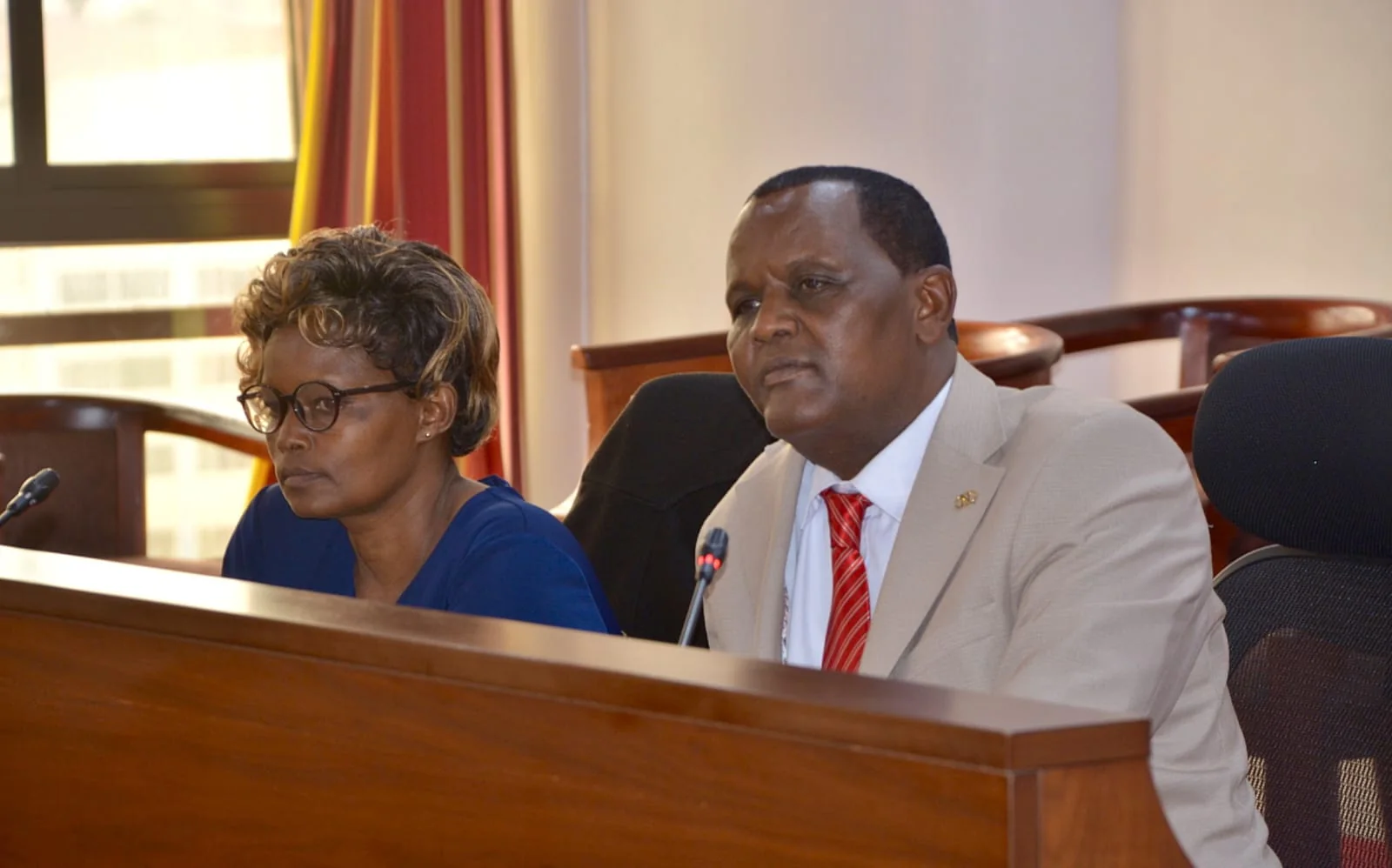
St. John’s Teachers Training College, Kilimambogo, was flagged in an Auditor-General report for weak controls, procurement breaches, unresolved queries and other governance lapses, before the National Assembly’s Public Investments Committee.
St. John’s Teachers Training College Kilimambogo has come under renewed scrutiny after lawmakers reviewed an Auditor General’s report that points to gaps in financial management, procurement practices, and compliance with public sector rules for the financial year ending June 30, 2025.
Before the Dick Maungu (Luanda) led National Assembly Public Investment Committee on governance and education, auditors presented findings showing weak systems of control, unsupported spending, and repeated failure to follow procurement and reporting requirements, raising concerns about how public resources are being managed at the institution.
Procurement processes featured prominently in the report, with auditors noting several irregular transactions and missing approvals. In one case involving an ERP system purchase, the institution acknowledged shortcomings, stating, “The management recognizes that the procurement process did not fully comply with the provisions of the Public Procurement and Asset Disposal Act (PPDA) 2015.”
Management explained that urgency and limited capacity influenced the approach, adding it was intended “to ensure prudent resource management and phased system implementation.” Even so, auditors noted missing documents, weak approvals, and unexplained contract changes.
Financial records also raised questions, particularly receivables amounting to Sh 7.8 million. The audit indicated that part of the money has remained unpaid for long periods. It stated, ‘’Included in this balance is Sh3,746,382 which has been outstanding for more than three (3) year while Sh3,842,374 is owed by old students who have already graduated.”
The college defended its position, saying, “The students with fees arrears did not take part in the graduation ceremony as graduation is pegged on clearing of fees. The college has withheld their Certificates until they clear the outstanding fees.”
Auditors, however, pointed out that supporting evidence was not sufficient to fully confirm the status of the debts.
Concerns were also raised over stock management, with inventory valued at Sh 4.17 million lacking proper verification records. The report stated, “there was no evidence provided in regard of quarterly and annual stock taking carried out within the year under review.”
The institution responded, “The college has instituted measures to ensure regular stock taking and documentation required.” Despite this, auditors maintained that gaps remained in documentation and oversight.
Land ownership issues further added to the list of concerns. The college, which sits on about 120 acres, does not hold a title deed. Management explained, “The college is in communication with the sponsoring authority to formalize ownership arrangements and documentation confirming the land occupancy.”
Revenue collection practices were also questioned, especially around facility hire services. Auditors noted missing contracts and incomplete records, stating, “the invoices and contracts were not provided for audit, hence the terms and conditions for hire of the facility as well as payment terms could not be confirmed.”
In response, management said, “The management has provided the invoices and contracts for hire of Facilities,” though auditors still found the submissions lacking full details.
Governance and compliance issues were also highlighted, including staffing composition and failure to meet reporting obligations. On staffing, management said, “The Management is committed to complying with the Provision of National Cohesion and Integration Act, 2008, in its future B.O.M employees’ engagements.”
On reporting lapses, they admitted, “The management regrets having breached the Law.”
Financial discipline was further questioned after auditors found weaknesses in the reconciliation of accounts and handling of imprest funds. The report noted that, “cash books were not reconciled on a regular basis; daily, weekly or monthly as required by standard financial procedures.”
The institution responded, “The monthly bank reconciliation has been prepared promptly. The management has put measures in place for the review of the cash and bank balances on a monthly basis.”
Out of 27 audit issues raised, only four were fully resolved, while 18 remain open and five were partially addressed, showing a large number of outstanding matters.
Lawmakers are now expected to push for tighter oversight and corrective steps as attention shifts to how the college will deal with the audit findings and strengthen its internal systems.




Comments
Sign in with Google to comment, reply, and like comments.
Continue with Google