
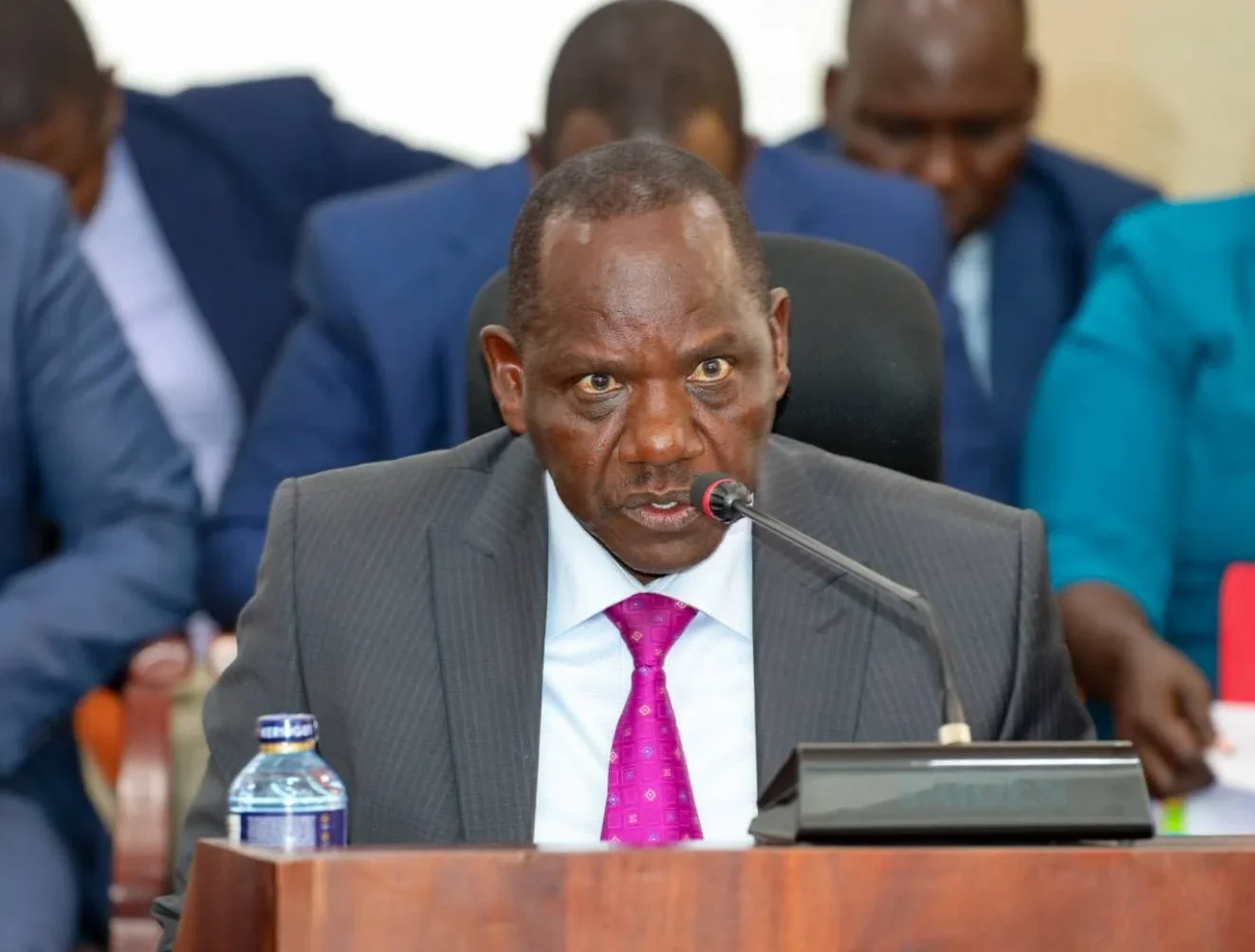
Uasin Gishu Governor Dr Jonathan Bii has urged Kenyans to safeguard fertile agricultural land from continued subdivision for residential use, warning that the country must protect its farming areas while meeting the growing demand for affordable housing.
Speaking during the 2026 Mashujaa Day celebrations at Kipchoge Keino Stadium in Eldoret on Tuesday, October 20, Bii called on communities to balance housing development with the need to maintain food production, saying the future of Kenya’s agricultural economy depends on how productive land is managed today.
“We appreciate your call for Kenyans to embrace affordable housing as a way of addressing the continued subdivision of fertile farmland for residential use. As normative leaders, we urge our people to preserve productive farmland, protect food security, and sustain the agricultural economy for future generations,” he said.
Bii’s remarks placed the protection of farmland among the key issues raised during the national celebrations, which brought together leaders and communities from Uasin Gishu, Nandi and Elgeyo-Marakwet counties.
The governor’s concerns come as agriculture remains a key source of income and employment for Kenyans. The Kenya National Bureau of Statistics says the sector contributes about 24 per cent of the country’s gross domestic product, while approximately 72 per cent of the population depends on it directly or indirectly for a livelihood.
The growing demand for residential land has raised concerns about the future of farming, particularly in areas where fertile agricultural land is being divided into smaller plots. Bii did not provide figures on the amount of farmland lost through subdivision but urged communities to consider the long-term effects of converting productive land into residential areas.
He said leaders had a responsibility to encourage proper land use and ensure that future generations could continue to benefit from agriculture.
Speaking on behalf of the governors of Uasin Gishu, Nandi and Elgeyo-Marakwet, Bii said the three counties were working to diversify their economies while protecting their position as important farming areas.
He noted that the counties were supporting efforts to strengthen food production, adding that their agricultural output remained important to Kenya’s food security.
“We are complementing the efforts through diversification in Uasin Gishu, Nandi and Elgeyo Marakwet; whatever we have told you as farming counties, we want our country to be food secure. And Your Excellency, I want to thank you for supporting our farmers, so that our farmers now can enjoy the subsidised fertiliser,” Bii maintained.
The governor thanked President William Ruto for supporting farmers through the subsidised fertiliser programme, saying the assistance would help them continue producing food.
He called for sustained support for agriculture, noting that the country’s ability to feed its population depends on both the availability of farm inputs and the protection of productive land.
While subsidised fertiliser can help farmers maintain production, Bii’s remarks highlighted the need to protect the land on which farming depends. He urged communities and leaders to consider the effects of land conversion on food supplies, livelihoods and the future of the agricultural sector.
Beyond farming, the governor praised investments in sports facilities, including Kipchoge Keino Stadium in Kapsabet, Nandi County, saying such infrastructure would help nurture talent in a region known for producing internationally successful athletes.
Mashujaa Day is marked annually on October 20 and is recognised as a national day under Article 9 of Kenya’s Constitution. The occasion honours people whose sacrifices and contributions have shaped the country’s history and development.
The day also provides an opportunity to remember Kenya’s struggle against colonial rule, including the declaration of a state of emergency in 1952.
This year’s celebrations brought attention to issues affecting Uasin Gishu, Nandi and Elgeyo-Marakwet, with the programme touching on the economy, security and sports.
Bii also recognised six-year-old Blessing, whom he said had spent years receiving intensive care at Moi Teaching and Referral Hospital. He praised medical staff for caring for premature baby Gift, who was reportedly born at 26 weeks and weighed 450 grammes.
The governor further appealed to the national government to establish a cultural centre, museum and technical training institute in the Morungen area of Soy.
He said the proposed facilities would help preserve local history while expanding access to technical education for residents.
Bii thanked the national government for choosing the North Rift region to host the Mashujaa Day celebrations, saying the area was ready to play its part in building a united and prosperous Kenya.
His message brought together the need for agricultural growth, support for farmers, investment in public facilities and protection of local heritage. However, he placed particular emphasis on responsible land use, warning that the country’s pursuit of development must go hand in hand with protecting the fertile land that supports food production, employment and economic growth.