CS Duale clarifies viral reports on blood exports, explains global classification system
Kenya’s Ministry of Health has dismissed online reports claiming the country exports donated blood, saying the WITS trade category “Human and animal blood; microbial cultures” is a broad classification and does not include transfusion donations. The ministry warned it will act on misinformation.
Online claims suggesting that Kenya is involved in exporting human blood have been dismissed by the Ministry of Health, which says the reports are based on a wrong reading of international trade records and do not reflect the country’s medical or export activities.
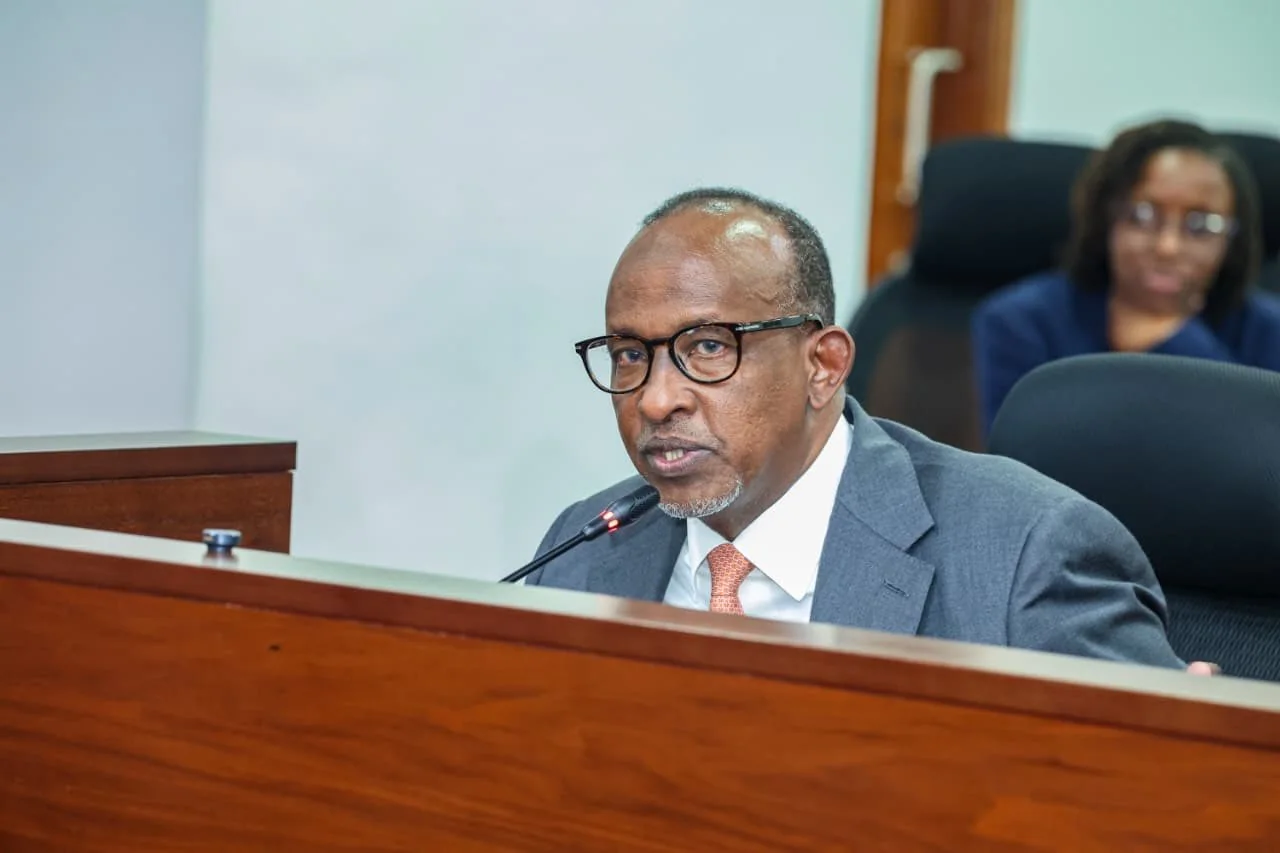
In a statement released on May 6, 2026, Health Cabinet Secretary Aden Duale said the figures being shared online come from a global customs coding system that groups together a wide range of medical and laboratory-related items, leading to confusion when interpreted out of context.
He noted that the classification labelled “Human and animal blood; microbial cultures” is not limited to blood as commonly understood by the public, but covers several categories of medical and scientific products used in research and healthcare.
“The referenced category of ‘Human and animal blood’ in the report is a universal trade classification that includes among other substances; vaccines, toxins, antisera and other blood-derived products, microbial cultures and similar products,” the Ministry said. “This classification does not include donated blood collected for transfusion services.”
CS Duale stressed that Kenya does not engage in any form of export involving donated blood or its components for use in production or industrial processing in other countries.
“The Ministry of Health does not export any donated blood or components of blood for purposes of manufacturing blood derived products in a foreign country,” he said.
He further explained that the country still depends on imported specialised blood-related products due to gaps in local manufacturing capacity, especially for complex medical supplies.
“Kenya does not manufacture antisera used in blood grouping and laboratory diagnostics or plasma-derived blood products,” the statement added.
According to the Ministry, items such as antisera, clotting factors, and plasma-based medicines are sourced from certified international suppliers because they require advanced production technology not yet available locally.
The Ministry also pointed out that some of the trade data being circulated online includes activities by global companies that use Kenya as a regional hub for storage, distribution, and re-export within East Africa, which can distort how the figures are understood.
Officials warned that misreading such data can easily fuel false narratives and create unnecessary alarm among the public, especially when shared without proper explanation of how international trade codes work.
CS Duale added that the government will take action against individuals responsible for spreading misleading health information that may misinform citizens.
“The Ministry of Health will work with relevant investigative agencies to seek and apprehend persons peddling and publishing misleading health information to the Kenyan public,” he said.
He further reaffirmed the government’s commitment to protecting public trust in the health sector and improving transparency in how medical information is communicated.
The clarification comes after online users cited data from the World Integrated Trade Solutions (WITS) platform, which listed Kenya under exports of “Human and animal blood; microbial cultures in 2024,” sparking debate and concern on social media.
In a related update, CS Duale told the Senate Committee on Health that investigations are also ongoing into alleged organ trafficking cases linked to transplant services, saying several expert teams have been formed while the Directorate of Criminal Investigations (DCI) continues with probes.


Comments
Sign in with Google to comment, reply, and like comments.
Continue with Google